
Plants
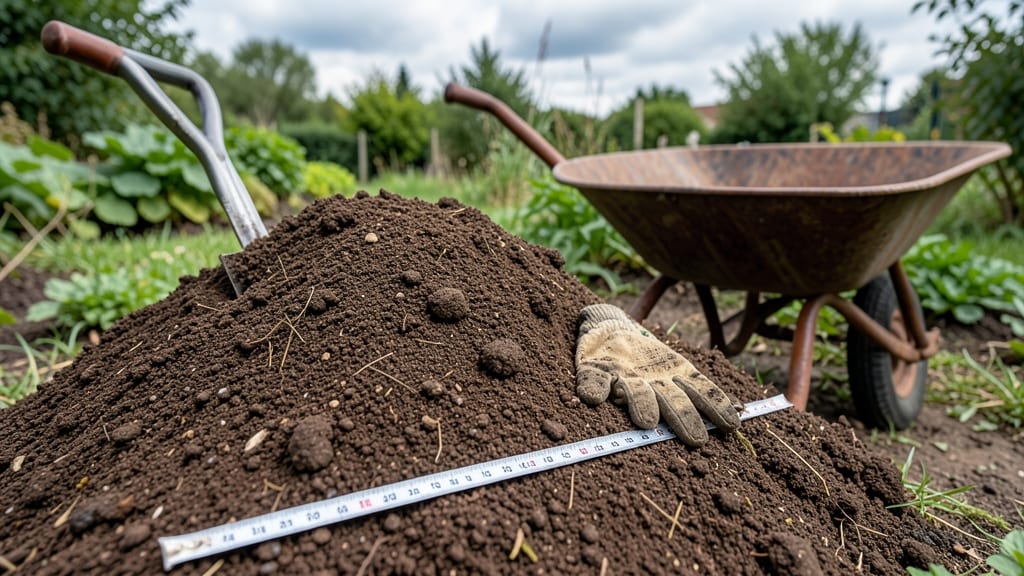
One cubic yard of soil looks like a 3-foot cube—imagine stacking three standard wheelbarrows end-to-end or filling a small raised garden bed. This volume weighs between 2,000–2,700 pounds, so handling it requires teamwork or machinery for most projects.
A cubic yard of soil is the standard unit for bulk gardening purchases, but visualizing it can be tricky.
Think of it as filling a space the size of a mini fridge—about 3 feet in every direction. 🌱 For example, a 4x8-foot raised bed that's 1 foot deep needs exactly one cubic yard, while mulching a 10x10-foot area to a 2-inch depth requires roughly 1.1 cubic yards.
The weight variation comes from moisture content: wet soil can feel twice as heavy as dry, which is why many landscapers recommend ordering slightly more than calculated for uneven terrain.
When ordering, consider how you'll move it. A single wheelbarrow holds about 2 cubic feet, so you'd need 27 trips to transport one cubic yard by hand—a task better suited for a dump cart or tractor trailer.
For smaller projects, pre-bagged soil (typically 2–3 cubic feet per bag) might save you the hassle of hauling heavy loads. Always check delivery fees, as some suppliers charge extra for partial loads or remote sites.
💡 In This Article
- Visualizing Cubic Yard Soil Dimensions in Real-World Projects
- Choosing the Right Soil Volume for Garden Beds and Planting
Visualizing cubic yard soil dimensions in real-world projects
Imagine a perfect cube where each side measures exactly 3 feet—this is the physical footprint of one cubic yard of soil. To put that into perspective, it's roughly the size of a small refrigerator or a standard wooden garden bench.
When you're planning a project, this volume translates to filling a 4x8-foot raised bed that's 1 foot deep—a common size for vegetable gardens. The depth matters because soil compacts differently based on how much weight you place on it, whether from plant roots or foot traffic.
For mulching, the math changes dramatically. A 10x10-foot garden area covered with 2 inches of mulch requires about 1.1 cubic yards of soil. This is because mulch spreads out horizontally rather than stacking vertically.
The texture also plays a role: finer soils like silt or clay pack more densely than loamy topsoil, which can reduce your effective volume by up to 15%.
For example, a wheelbarrow full of clay soil might weigh 100 pounds when dry, but the same volume of moist loam could tip the scales at 150 pounds—a critical difference when lifting or moving.
When stacking bags of soil, consider how the weight distributes. A single 2-cubic-foot bag (common for pre-packaged soil) weighs about 40–50 pounds when wet. Stacking them creates a pyramid effect where the bottom layers bear the most weight—this is why many gardeners use pallets or flatbed trailers to transport soil.
For larger projects, a dump cart or skid steer becomes essential, as manually moving 2,500 pounds of soil (the average weight of a cubic yard) is impractical for most people.
Visualizing soil volume also helps with storage. A 10x10-foot shed can hold about 5–6 cubic yards of soil when stacked in 2-foot-high piles, but this assumes the soil is dry and loosely packed. Wet or compacted soil reduces this capacity significantly.
For example, clay soil might only allow 3–4 cubic yards in the same space due to its higher density. Always leave room for a 1-foot access path around piles to prevent erosion and make future use easier.
Consider how soil settles over time. When you first fill a raised bed, the soil may appear level, but within weeks, it can compact by 10–20% due to water absorption and root pressure.
This means you might need to add an extra 0.5 cubic yards to ensure your plants have enough root space. For example, a 4x4-foot bed with 18-inch sides starts with 1.33 cubic yards of soil but may require 1.5 cubic yards after settling to maintain proper depth.
For container gardening, the numbers shrink dramatically. A 15-gallon planter holds about 0.12 cubic feet of soil, meaning you'd need 27 planters to equal one cubic yard. This highlights why bulk purchases make sense for larger projects, while smaller gardens benefit from pre-mixed bags.
The key is matching your project's scale to the soil volume—whether you're filling a single pot or transforming your entire yard.