
How To
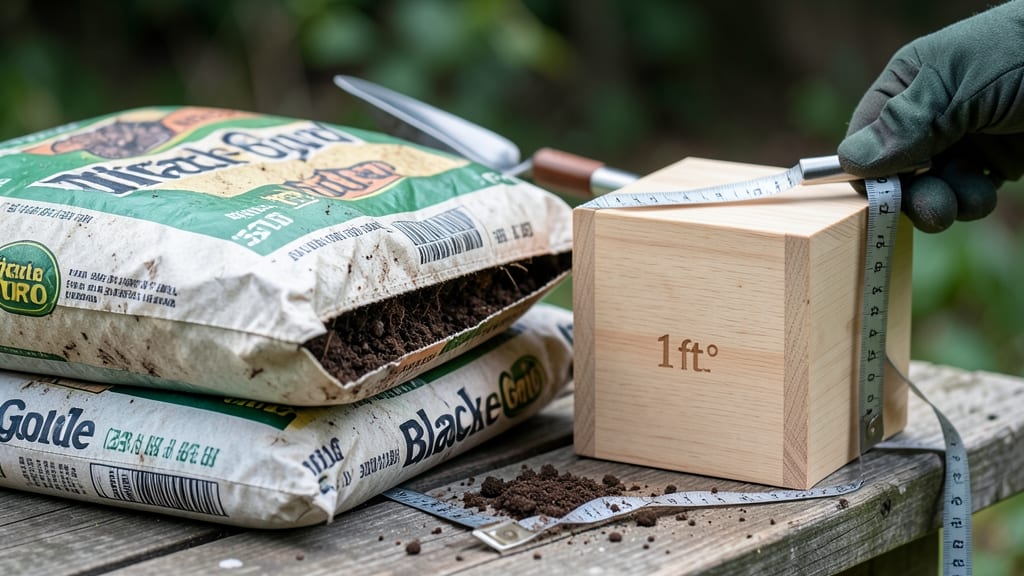
Converting 55 quarts of potting soil equals approximately 1.52 cubic feet, a key measurement for container gardening, raised beds, or bulk soil purchases. This conversion helps gardeners estimate volume needs for projects like seed-starting trays or planter boxes.
Understanding this conversion is essential because potting soil volume directly impacts plant growth. A 55-quart bag translates to about 1.52 cubic feet, which is roughly enough to fill a 2x4-foot raised bed to a depth of 3-4 inches—ideal for growing vegetables like lettuce or herbs.
The conversion relies on the standard measurement that 1 cubic foot equals 29.92 quarts, though organic mixes may settle slightly differently over time. For example, a 10-gallon pot (about 13.3 quarts) would need roughly 4 bags of potting soil to fill it completely. 🌱
This measurement becomes especially useful when planning larger projects, like filling multiple containers or creating custom garden beds. Many gardeners use this conversion to avoid overbuying soil while ensuring they have enough for their needs.
Plus, knowing the exact volume helps when mixing soil amendments or calculating costs for bulk purchases.
💡 In This Article
- How to Convert Potting Soil Quarts to Cubic Feet Accurately
- Practical Uses for 55 Quarts of Potting Soil in Gardening
How to convert potting soil quarts to cubic feet accurately
The conversion from quarts to cubic feet relies on a simple mathematical relationship where 1 cubic foot equals approximately 29.92 quarts.
This ratio comes from the fact that a cubic foot is a three-dimensional measurement (12 inches × 12 inches × 12 inches), while quarts measure volume in liquid or granular units. For potting soil, this means dividing your total quarts by 29.92 to get cubic feet.
For 55 quarts, the calculation becomes 55 ÷ 29.92 ≈ 1.84 cubic feet—though slight variations in soil density can adjust this slightly. 🔥
Soil density plays a critical role in accuracy. Organic potting mixes, which contain peat moss, compost, and perlite, typically weigh less than inorganic mixes due to their airy composition.
A 1 cubic foot bag of organic soil might actually contain closer to 28-30 quarts when loosely packed, while a denser mix like sand or gravel could approach 32-35 quarts per cubic foot.
This is why gardeners often find their actual volume differs slightly from theoretical calculations, especially after settling or compression over time.
To avoid common miscalculations, always measure soil in its final state—whether that's freshly bagged or after settling in a container.
For example, a 55-quart bag of organic potting mix might compress to about 1.52 cubic feet when used in a raised bed, while the same volume of heavier soil could occupy slightly less space.
Using a measuring tape to verify dimensions (length × width × depth) ensures precision, especially for projects like filling 4-inch-deep raised beds where every inch counts. ✨
Here's a step-by-step breakdown for gardeners:
- Step 1: Note your total quarts (e.g., 55 quarts)
- Step 2: Divide by 29.92 for organic soil or adjust for density (e.g., 28-32 for other mixes)
- Step 3: Verify with physical measurements if needed (e.g., 12" × 12" × 12" = 1 cubic foot)
- Step 4: Account for settling—organic mixes lose 5-10% volume over time
For example, if you're filling a 2x4-foot raised bed to a 4-inch depth, you'd need about 1.33 cubic feet of soil. Since 55 quarts ≈ 1.84 cubic feet, you'd have enough with some left over—perfect for topping up or repurposing. This method ensures you avoid overbuying while meeting your project's exact needs. 💫
Pro tip: Keep a conversion chart handy for common volumes. A 10-gallon pot (≈13.3 quarts) needs about 0.44 cubic feet, while a 5-gallon container (≈6.6 quarts) requires roughly 0.22 cubic feet. These quick references save time when planning multiple containers or bulk purchases.