
Plants
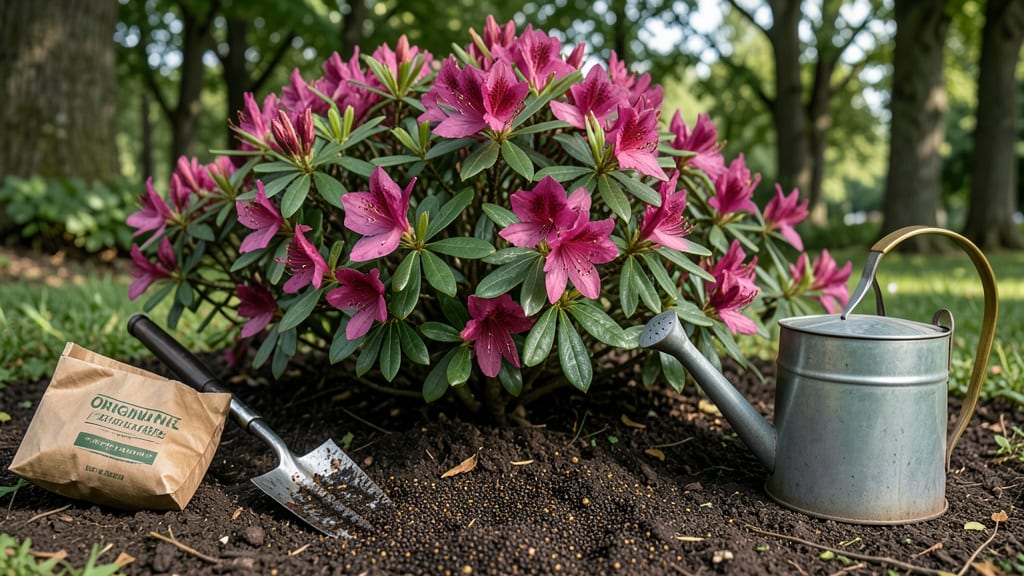
Using coffee grounds in soil for plants provides nitrogen-rich organic matter that improves acid-loving plants like azaleas and blueberries, while also repelling pests and suppressing weeds—but overuse can compact soil or attract mold if not balanced properly.
Coffee grounds act as a natural fertilizer by slowly releasing nitrogen as they decompose, creating an ideal environment for plants that thrive in slightly acidic conditions. 🌱 The caffeine content also deters common pests like slugs and ants, while the coarse texture helps improve soil aeration when used in moderation.
However, fresh grounds should never be applied directly to soil—they can create a mold risk and alter pH too quickly, so composting them first is always the safer approach.
For best results, mix used grounds into your compost pile or spread them lightly on top of mulch rather than directly on plant roots. This gradual breakdown prevents nutrient spikes while still providing long-term benefits.
I've found that acid-loving plants like hydrangeas and rhododendrons respond particularly well when coffee grounds are incorporated into their soil mix during spring planting.
💡 In This Article
- How Coffee Grounds Boost Soil Health and Plant Growth
- Best Practices for Applying Coffee Grounds to Garden Beds
How coffee grounds boost soil health and plant growth
The real magic happens when coffee grounds decompose—this process releases nitrogen in a slow, steady manner through microbial action. The grounds contain about 2% nitrogen by weight, which is roughly half the nitrogen content of fresh manure but more concentrated than many commercial fertilizers.
As soil microbes break down the organic matter, they convert this nitrogen into forms plants can absorb, like ammonium and nitrate, over a period of 2-4 weeks depending on moisture and temperature conditions.
Beyond nitrogen, coffee grounds also stimulate beneficial microbial activity in the soil. The grounds' coarse texture creates tiny air pockets that improve aeration, while their slightly acidic nature (pH around 6.2-6.8 when fresh) helps lower soil pH for acid-loving plants.
For comparison, compost typically has a pH of 6.0-8.0, while coffee grounds provide a more consistent acidifying effect when used regularly. This makes them particularly valuable for plants like blueberries, which require soil pH between 4.5-5.5 to thrive.
What most gardeners don't realize is that coffee grounds also act as a natural pest deterrent. The caffeine content (about 1-2% by weight) creates an unpleasant environment for slugs, ants, and other soft-bodied pests, while the coarse texture disrupts their movement patterns.
Studies show that coffee grounds can reduce slug populations by up to 50% when applied as a barrier around plant bases. The aromatic compounds also mask plant odors that might attract pests, providing a dual benefit.
However, the benefits aren't instant—the breakdown process requires proper conditions. In hot, moist climates, grounds decompose within 2-3 weeks, while cooler or drier conditions may extend this to 4-6 weeks.
Overapplication can create problems: too much organic matter in one area can lead to soil compaction or anaerobic conditions that produce unpleasant odors. The ideal balance is 20-30% coffee grounds by volume mixed with other organic materials like leaves or straw.
When compared to other organic amendments, coffee grounds offer unique advantages. While compost provides a broader range of nutrients, coffee grounds deliver targeted nitrogen with minimal salt buildup (unlike synthetic fertilizers).
Their acidifying properties make them superior to wood ash for acid-loving plants, though they lack the phosphorus and potassium found in bone meal. The key is using them as a supplement rather than a complete fertilizer solution.
For maximum effectiveness, I recommend blending used grounds with other compost materials in a 1:4 ratio (coffee grounds to other organics). This creates a balanced decomposition environment where nitrogen release is gradual and beneficial microbes thrive.
The resulting "coffee compost" can then be worked into garden beds or used as a top dressing for established plants.