
Light Requirements
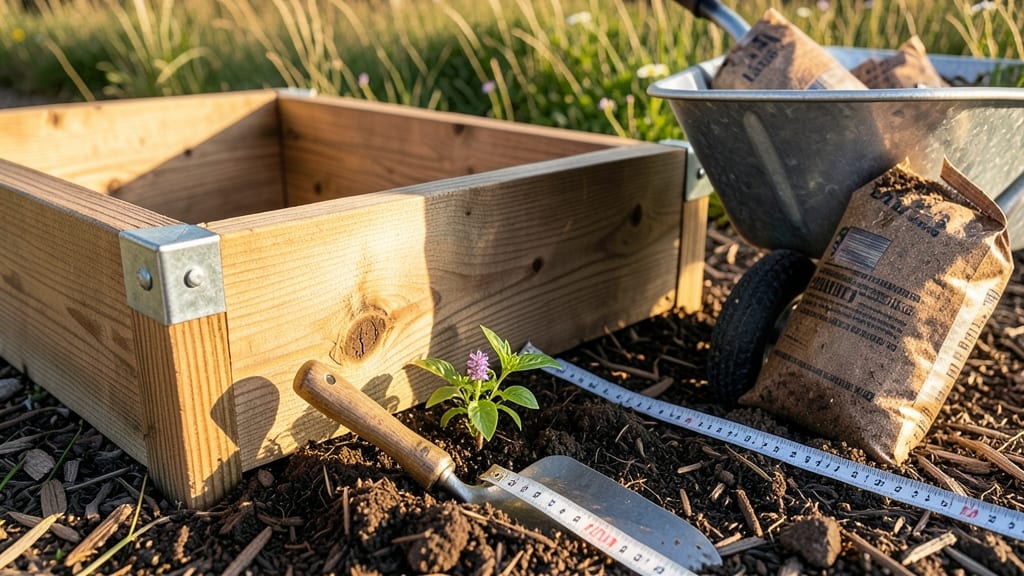
For a 4x4 raised garden, you'll need 1.33 cubic feet of soil per inch of depth—so a 12-inch-tall bed requires 16 cubic feet (about 1 cubic yard) of quality soil. Always account for drainage layers and root space when calculating your total soil volume.
Understanding this calculation helps avoid common mistakes like buying too little soil or overfilling the bed, which can lead to poor drainage. 🌱 I’ve found that adding 2-3 inches of gravel or sand at the bottom improves water flow while reducing the total soil volume needed.
The key is balancing depth with plant root requirements—vegetables like tomatoes need deeper soil, while herbs can thrive in shallower layers.
Most gardeners opt for a 50/50 mix of topsoil and compost to create a nutrient-rich environment, though exact ratios depend on your plants. For example, leafy greens benefit from a lighter, compost-heavy blend, while root vegetables prefer denser, well-draining soil.
Always test your soil’s moisture retention before planting—it’s the best way to ensure your garden thrives.
💡 In This Article
- Calculating Soil Volume for Raised Garden Depths
- Best Soil Mixes for 4x4 Raised Beds
Calculating soil volume for raised garden depths
The math behind soil volume is straightforward: multiply your garden's length, width, and depth in feet. For a 4x4 bed, that's 4 × 4 × depth.
Each inch of depth requires 1.33 cubic feet of soil because 4 × 4 = 16 square feet, and 16 ÷ 12 (inches in a foot) = 1.33. This means a 12-inch-tall bed needs 16 cubic feet of soil—just over 1 cubic yard—because 12 × 1.33 = 16.
However, most gardeners overlook drainage layers. Adding 2-3 inches of gravel or coarse sand at the bottom improves water flow but reduces the usable soil space.
For example, a 12-inch bed with a 3-inch drainage layer only needs 9 inches of soil (12 - 3 = 9), cutting your soil volume to 12 cubic feet.
The key is balancing depth with plant needs—deep-rooted veggies like carrots need 12+ inches, while shallow herbs like basil thrive in 6-8 inches. 🌱
Soil compaction also affects volume. Fresh soil settles 20-30% after watering, so always buy 20% more than calculated. For instance, if you need 16 cubic feet, purchase 19-20 cubic feet to account for settling.
Pro tip: Mix in 20-30% compost to improve aeration and reduce compaction over time. This adjustment ensures your plants have the right growing environment without wasting soil.
For custom heights, use this formula: (length × width × depth) ÷ 12 = cubic feet. For example, a 4x4 bed at 18 inches needs 24 cubic feet (4 × 4 × 1.5 = 24).
Always round up to avoid shortages—running out mid-project is a common (and messy) mistake. 💫
Consider your soil type too. Sandy soil drains faster but holds fewer nutrients, while clay retains moisture but can suffocate roots. A 50/50 mix of topsoil and compost is ideal for most vegetables, balancing drainage and fertility.
For example, tomatoes thrive in this blend, while strawberries prefer a slightly sandier mix to prevent rot. Adjust based on your local soil conditions—amendments like perlite or vermiculite can help if your native soil is too dense.
Here’s a quick reference for common depths:
- 6-inch bed: 5.33 cubic feet (ideal for herbs, lettuce)
- 12-inch bed: 16 cubic feet (standard for most vegetables)
- 18-inch bed: 24 cubic feet (best for deep-rooted plants)
Always measure twice and buy once—soil is heavy, and delivery fees add up quickly. A little extra planning now saves headaches (and backaches) later. 🔥