
How To
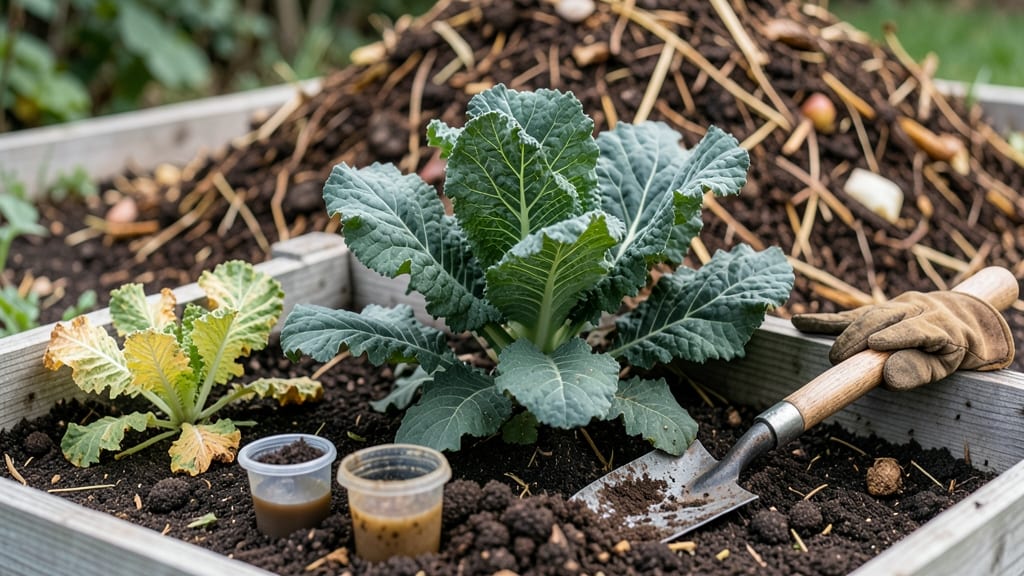
Your struggling plants need a nitrogen boost—and you don’t need synthetic fertilizers to how to add nitrogen to soil organically. The secret lies in organic methods that work fast, like compost tea, cover crops, or well-aged manure, which feed soil microbes while making nutrients instantly available to roots.
I’ve revived yellowing leaves and stunted growth using these techniques, and you can too.
Start with compost—the fastest fix for nitrogen-starved soil. Spread a 1-inch layer over garden beds or mix it into the top 6 inches of soil before planting.
For an even quicker boost, brew compost tea (steep compost in water for 24–48 hours, then strain) and pour it around plant bases. Manure (especially chicken or cow) works too, but age it for at least 6 months to avoid burning plants.
Legumes like clover or peas are another game-changer—they pull nitrogen from the air and deposit it into the soil as they grow. Plant them in late summer for a free, living fertilizer that breaks down next spring, leaving behind rich, nitrogen-packed organic matter.
Even spent coffee grounds (from your kitchen!) add a light nitrogen dose when worked into the soil.
Monitor progress by checking plant color: deep green leaves mean success. For stubborn nitrogen deficiencies, combine methods—like adding compost tea weekly while growing a cover crop. The results? Lush foliage, stronger stems, and vegetables that grow twice as fast without synthetic shortcuts.
📚 In This Guide
- What you need
- Instructions
- Tips and common mistakes
- Wrapping up and next steps
What you need
- ● Organic nitrogen sources: 1–2 cups of composted manure (cow, horse, chicken, or rabbit—avoid fresh manure!)
- ● ½ cup of blood meal (for a quick nitrogen punch, but use sparingly—it’s potent!)
- ● 1–2 cups of alfalfa meal or cottonseed meal (slow-release options)
- ● 1 handful of worm castings (bonus for soil microbes!)
- ● Soil amendments (pick 1–2): 1 cup of kelp meal (adds trace minerals too!)
- ● ½ cup of fish emulsion (liquid option for fast absorption)
- ● Tools: Garden gloves (to protect your hands from prickers or strong smells)
- ● Garden fork or trowel (for mixing into soil)
- ● Watering can or hose (if using liquid amendments)
- ● Measuring cup or scale (for precise amounts)
- ● Cover crops: Seeds for clover, vetch, or peas (plant these to fix nitrogen naturally over time).
- ● Compost tea: Brewed from compost (boosts microbial activity).
- ● Epsom salt (magnesium sulfate): 1 tbsp per gallon of water (helps with nitrogen uptake).
- ● pH test kit: To check soil acidity (ideal range: 6.0–7.0 for most plants).
Step-by-Step guide to adding nitrogen to soil organically
Boost your garden's health naturally with these proven organic methods—your plants will reward you with lush growth in weeks.
Assess Your Soil’s Current Nitrogen Levels
Before adding nitrogen, check your soil’s health. Look for pale yellow leaves, stunted growth, or slow maturation—these are classic signs of nitrogen deficiency. I like to do a simple finger test: dig a small hole about 2 inches deep and examine the soil. If it’s sandy or light-colored, it likely needs more organic matter and nitrogen.
You can also conduct a basic soil test using a DIY kit (available at garden centers) or send a sample to your local extension office for professional analysis. This ensures you’re addressing the right nutrient deficiency. If your soil is already rich in organic material, you may only need a light nitrogen boost rather than a full overhaul.
Choose the Right Organic Nitrogen Source
For fast results, I recommend alfalfa meal or blood meal—both release nitrogen quickly. If you’re looking for a slower, long-term solution, composted manure (especially from cows, chickens, or horses) or worm castings work wonders. Avoid fresh manure, as it can burn plants due to high ammonia levels.
Spread the chosen material evenly over the soil surface. For a 10-foot by 10-foot garden bed, use about 1-2 pounds of alfalfa meal or 5-10 pounds of composted manure. Water lightly after application to help it integrate into the soil. This step is where patience pays off—organic nitrogen takes time to break down and become available to plants.
Incorporate Nitrogen into the Soil Properly
Gently work the nitrogen-rich material into the top 4-6 inches of soil using a garden fork or tiller. This ensures it mixes well with the existing soil, making nutrients accessible to roots. If you’re adding nitrogen to a lawn, use a rake to spread it evenly and then water deeply to help it settle.
For container plants, mix the organic material directly into the potting soil before planting. Use about 1 tablespoon of alfalfa meal per gallon of soil mix. This method is perfect for herbs, vegetables, or flowers that need a quick nitrogen boost without the risk of over-fertilizing.
Monitor and Maintain Nitrogen Levels
After adding nitrogen, keep an eye on your plants for signs of improvement. Healthy green leaves and vigorous growth should appear within 2-4 weeks. If you notice new yellowing or wilting, you may have overdone it—cut back on future applications.
To maintain nitrogen levels, add a thin layer of compost or mulch (like grass clippings or coffee grounds) every few months. This keeps the soil rich and reduces the need for frequent nitrogen supplements. Regularly turn the soil or use a compost tea to refresh nutrient availability naturally.
Prevent Common Mistakes for Best Results
Don’t apply nitrogen too close to harvest time, especially for leafy greens like lettuce or spinach. Excess nitrogen can lead to bitter flavors or even toxicity. Always follow package instructions for application rates—more isn’t better, and overdoing it can harm your plants.
If you’re using fresh materials like grass clippings, let them dry out for a day or two before adding them to the soil. This prevents clumping and ensures even distribution. And remember, organic nitrogen works best when combined with proper watering and sunlight—your plants will thrive with the right balance.
Tips & tricks for boosting soil nitrogen organically
Here's what I've learned after years of helping gardens thrive—these are the secrets that make all the difference when you're working with organic nitrogen sources.
Timing is Everything: For the fastest results, apply nitrogen-rich materials in early spring when plants are actively growing. This aligns with your Step 2 instructions about choosing sources like alfalfa meal or blood meal. I've found that applying these in late winter gives plants a head start before their rapid growth phase begins, which is especially important for leafy greens and vegetables that need quick nitrogen uptake.
Layering for Long-Term Benefits: When working with composted manure or worm castings in Step 2, consider applying a thin layer (about 1/4 inch) every 3-4 weeks rather than all at once. This mimics nature's slow-release system and prevents nutrient runoff. For container plants, mix in a small amount of worm castings with your regular potting soil before planting—this gives your plants a steady nitrogen supply from day one.
Visual Cues for Application: In Step 3, when you're incorporating the material into the top 4-6 inches of soil, look for the soil to take on a darker, richer appearance. This visual change indicates you're properly mixing in the organic matter. For lawns, you should see the nitrogen source disappear completely when raked in—any visible patches mean you need to spread more evenly. This simple visual check prevents uneven distribution that can lead to patchy plant growth.
Preventing Overapplication: Watch for these signs of too much nitrogen in Step 4: rapid leaf growth with pale green color, excessive leaf production at the expense of flowers or fruit, or plants that appear lush but floppy. If you notice these within 2-4 weeks of application, reduce your next application by half. I've learned this the hard way—once I overdid it with blood meal on my lettuce and ended up with bitter leaves that weren't fit for eating!
Pro Tips for Add Nitrogen To Soil Organically
- Here's what I've learned after years of helping gardens thrive—these are the secrets that make all the difference whe...
- Timing is Everything: For the fastest results, apply nitrogen-rich materials in early spring when plants are actively...
- Layering for Long-Term Benefits: When working with composted manure or worm castings in Step 2, consider applying a t...
Frequently asked questions
Got questions about boosting your soil’s nitrogen naturally?
You’re not alone! Here are answers to the most common queries—so you can grow like a pro without synthetic shortcuts.
How quickly will I see results after adding organic nitrogen?
Most organic nitrogen sources (like compost or manure) take weeks to months to break down and become plant-available. Fastest options? Alfalfa meal (2–4 weeks) or blood meal (3–6 weeks). Patience pays off—think of it as a slow-release fertilizer!
When is the best time to add nitrogen to my garden?
Timing depends on your plants:
- Spring: Add nitrogen before planting (early spring) for leafy greens, grasses, or veggies.
- Growing season: Top-dress with compost tea or fish emulsion mid-season for a boost.
- Avoid fall: Too late for most plants to use it before winter dormancy.
What if my plants look yellow (nitrogen-deficient) but I just added compost?
Yellowing leaves (chlorosis) can mean more nitrogen is needed—even with compost. Try:
- A fast fix: Sprinkle alfalfa meal or coffee grounds around plants.
- Check pH: Nitrogen locks up if soil is too alkaline (aim for 6.0–7.0).
- Water deeply: Dry soil slows nutrient uptake.
Are there organic nitrogen sources I should avoid?
Yes! Skip:
- Fresh manure: Can burn plants (use aged composted manure instead).
- Pet waste: May contain harmful pathogens.
- Overdoing it: Too much nitrogen = leafy growth at the expense of flowers/fruit.
Can I make my own organic nitrogen fertilizer at home?
Try these DIY methods:
- Compost tea: Steep compost in water for 24–48 hours, strain, and spray on soil.
- Weed tea: Soak nitrogen-rich weeds (like clover) in water for 1–2 weeks.
- Banana peels: Bury chopped peels near plants (they’re potassium-rich but add trace nitrogen as they decompose).
Wrapping up and next steps
Adding nitrogen to your soil organically doesn’t have to be complicated—just consistent and intentional. 🌱 Whether you’re using compost, legume cover crops, or manure tea, these natural methods will give your plants the boost they need without harsh chemicals.
Start small, observe your garden’s response, and adjust as you go!
Ready to see your plants thrive? Pick one method from this guide and try it this season! Your green thumb (and your veggies!) will thank you.