
Light Requirements
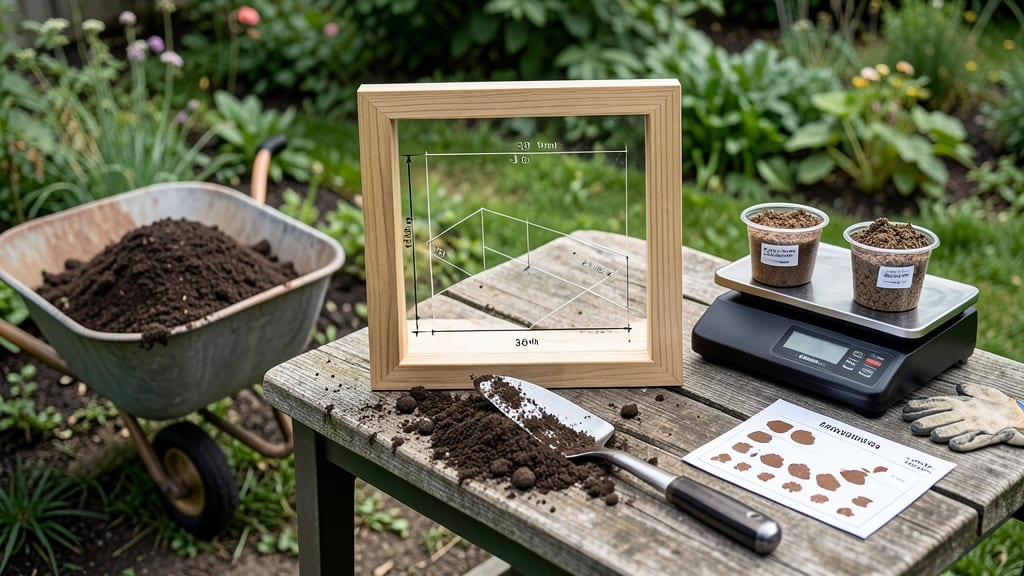
To determine how much 1 cubic yard of soil weighs, expect 1,800 to 2,200 pounds for most garden soils, though sandy soil drops to around 1,600 pounds while clay-heavy soil can reach 2,500+ pounds—moisture levels alone can add 20-50% more weight.
Understanding soil weight is all about its composition and moisture. 🌱 Sandy soils pack less because their large particles create more air pockets, while clay soils are denser with smaller particles that compact tightly.
Even a 10% moisture increase can add hundreds of pounds to a cubic yard—this is why weighing soil before projects like raised beds or erosion control is crucial. For landscaping, I always adjust calculations upward if working in wet climates or after recent rain.
Here's a quick reference for common soil types you'll encounter: loam (the gardener's gold standard) typically falls in the 1,800-2,000 lb range, while peat moss can be as light as 1,200 lbs when dry.
Construction fill, often a mix of crushed stone and compacted soil, frequently exceeds 2,500 lbs per cubic yard due to its heavy mineral content.
💡 In This Article
- Soil Density Factors Affecting Weight per Cubic Yard
- Practical Weight Estimates for Common Gardening Soils
Soil density factors affecting weight per cubic yard
The weight of soil varies dramatically based on its particle composition, which directly impacts how tightly those particles pack together. Sandy soil, with its large, coarse grains, creates more air pockets between particles, resulting in a lower density—typically around 1,600 pounds per cubic yard when dry.
In contrast, clay soil has tiny, flat particles that interlock tightly, reducing air space and increasing density to 2,500 pounds or more per cubic yard. This particle size difference explains why clay feels heavier and more compact than sand when you pick up a handful. 🌍
Moisture content plays an equally critical role—water fills those air pockets, dramatically increasing weight. A cubic yard of sandy soil might weigh 1,600 pounds dry but jump to 2,000 pounds or more when saturated.
This is why construction projects often specify "dry weight" for soil calculations—moisture can add 20-50% more weight depending on soil type. For example, loam (the ideal gardening mix) typically weighs 1,800-2,200 pounds when dry but can exceed 2,500 pounds when fully saturated.
Compaction further alters weight by reducing air space. Mechanically compacted soil (like construction fill) can weigh 30-50% more than loose garden soil. This happens because machinery forces particles closer together, eliminating air pockets.
For instance, a 1 cubic yard of loose topsoil might weigh 1,800 pounds, but when compacted (as in road base), it could reach 2,500 pounds. This is why landscapers and engineers always account for compaction in their weight estimates. 💪
Organic matter also influences weight—compost and peat moss contain decomposed plant material that's lighter than mineral soil. A cubic yard of peat moss might weigh just 1,200-1,500 pounds when dry, while compost typically falls between 1,500-1,800 pounds. The key difference?
Organic soils have higher porosity (more air space) and lower mineral content, making them significantly lighter than clay or loam. This is why gardeners mix organic matter into heavy clay to improve aeration and reduce weight.
Understanding these factors helps explain why soil weight isn't a fixed number. The same cubic yard of soil can weigh 500-1,000 pounds more depending on whether it's sandy or clay-based, dry or saturated, compacted or loose.
For practical applications, always consider the specific conditions of your soil—this knowledge can save hundreds of dollars in material estimates and prevent project delays. 📏