
How To
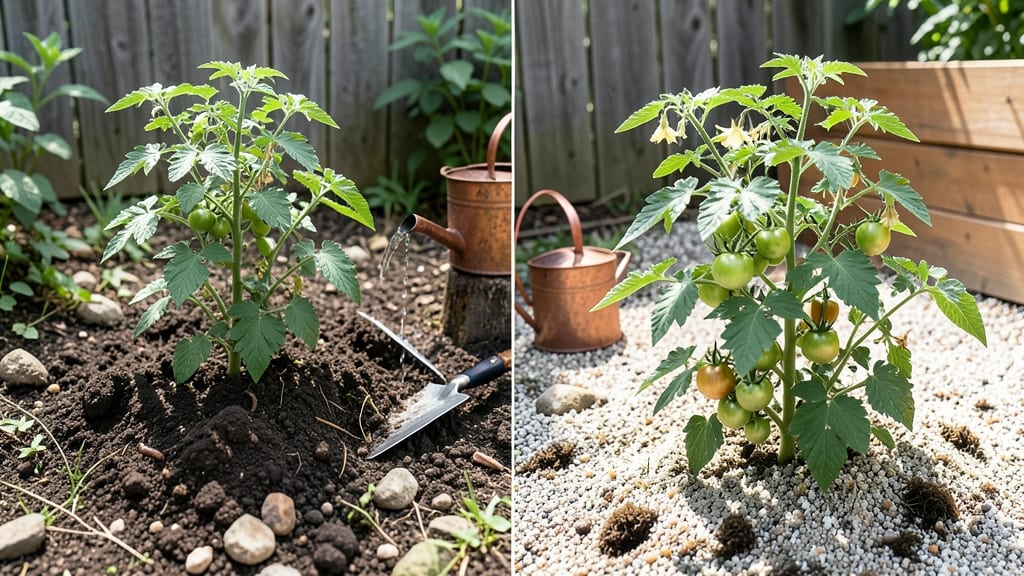
Your plants' roots will either thrive or suffocate based on one simple choice: in-ground soil vs. potting soil. 🌱 I learned this the hard way when my container tomatoes struggled in "premium" potting mix while my in-ground zucchini vines exploded with growth—same plant, completely different results.
The difference isn't just what's in the bag; it's about how roots breathe, how water moves, and what each type actually does for your garden. In-ground soil is the heavyweight champion of the soil world—dense, nutrient-rich, and packed with organic matter that breaks down slowly.
It's perfect for permanent plantings like perennials, shrubs, and vegetable gardens where roots can spread freely. The downside? It compacts easily, drains poorly when wet, and often needs amendments like compost or sand to improve aeration.
Most gardeners don't realize their existing soil might be too clay-heavy or sandy until they test it (I'll show you how later). Potting soil, on the other hand, is the lightweight athlete of the soil family—fluffy, fast-draining, and packed with peat or coconut coir to prevent compaction.
It's designed for containers where roots can't escape, but here's the catch: it breaks down quickly and loses nutrients faster than in-ground soil. Many gardeners make the mistake of using it for in-ground plantings, which leads to root-bound plants that wilt faster than a summer afternoon.
The key is matching the soil to the job: containers need potting mix, while in-ground beds need native soil with amendments. The real secret?
Most plants do best with a hybrid approach—amend your in-ground soil with organic matter for better drainage, and boost potting soil with slow-release fertilizer for long-term nutrition. Test your soil first (a simple $10 kit from your local garden center reveals the pH and texture), then adjust accordingly.
Your roots will thank you with stronger growth, deeper color, and plants that actually stay alive through summer heat waves.
The first product explained
Meet Miracle-Gro Garden Soil for Vegetables & Herbs—your ultimate partner for lush, thriving plants, whether you're planting in-ground or in pots! 🌱✨ This premium blend is designed to give your garden the perfect balance of nutrients, moisture retention, and aeration, making it a favorite among both beginners and seasoned gardeners.
📏 Specs & Features
This 12-pound bag of Miracle-Gro Garden Soil is packed with:
- Organic matter: Rich in composted materials to improve soil structure and fertility.
- Balanced nutrients: Includes a slow-release fertilizer to feed plants for up to 6 months.
- Moisture control: Helps retain water while preventing soggy roots.
- Drainage-friendly: Ideal for both in-ground and container gardening, reducing the risk of root rot.
- pH-balanced: Optimized for vegetables and herbs, ensuring your plants get the nutrients they need.
🎯 Who’s It For?
This soil is perfect for:
- Home gardeners who want a no-fuss, nutrient-dense soil mix for their veggie patches or herb gardens.
- Urban gardeners with limited space who need a versatile soil for containers, raised beds, or in-ground planting.
- Plant enthusiasts looking to boost root growth and improve yield without the hassle of mixing multiple amendments.
💰 Price Point
Priced at around $10.97 for a 12-pound bag (as of latest market data), this soil offers incredible value for its quality and convenience. With coverage for approximately 1 cubic foot, it’s an affordable way to elevate your gardening game—whether you're filling a small pot or amending a larger in-ground bed!
Pro tip: 💡 For best results, mix this soil with your existing garden soil (if in-ground) or use it as-is in containers. Pair it with a slow-release fertilizer for even better long-term growth!
The second product explained
Meet Miracle-Gro Performance Organics All Purpose In-Ground Soil—the nutrient-packed powerhouse designed to give your garden the ultimate boost! 🌱✨ If you're dreaming of lush lawns, thriving shrubs, or bountiful vegetable patches, this soil is your secret weapon. Let’s dig into what makes it stand out.
📏 Key Specs & Features
This premium in-ground soil is engineered for long-term root health and optimal drainage, making it a favorite among serious gardeners. Here’s why it’s a game-changer:
- Organic Blend: Made with 50% organic matter, including composted plant materials, to enrich soil structure and microbial activity.
- Slow-Release Fertilizers: Packed with natural nutrients like nitrogen, phosphorus, and potassium to fuel steady growth over 3-6 months.
- Improved Drainage: Perfect for clay-heavy or compacted soils—amendments like perlite and sand ensure excess water flows away, preventing root rot.
- pH-Balanced: Slightly acidic (6.0-7.0), ideal for most plants, with added lime to neutralize overly acidic soils.
- Weed & Pest Control: Contains natural inhibitors to suppress weeds and deter common garden pests without harsh chemicals.
🎯 Who’s It For?
This soil is a must-have for:
- Home Gardeners: Perfect for planting flowers, vegetables, shrubs, and small trees in yard beds.
- Lawn Enthusiasts: Revitalizes patchy or thin lawns with a thick, green carpet of grass.
- Eco-Conscious Growers: Organic certification means it’s safe for pet-friendly gardens and sustainable landscaping.
- DIYers & Beginners: No guesswork—just mix, spread, and watch your plants thrive!
💰 Price Point & Value
Priced at $29.99 for a 40-lb bag (covers ~100 sq. ft. at 3" depth), it’s an investment that pays off in healthier plants and fewer replacements. Compare that to cheaper, synthetic soils that may require frequent reapplication—this one delivers long-term savings with its nutrient-rich formula.
💡 Pro Tip: For best results, till the soil into your existing garden bed to integrate nutrients deeply. Pair it with Miracle-Gro’s organic plant food for a double growth boost!
Head-to-head comparison
🌱 Performance: How Your Plants Will Thrive (or Struggle)
When it comes to helping your plants grow, the type of soil you choose can make or break their success. Let’s break down how in-ground soil and potting soil perform in key areas:
- Root Expansion:
- In-Ground Soil: 🌍 Naturally dense and expansive, allowing roots to spread freely in all directions. Ideal for perennials, shrubs, and trees that benefit from deep, unobstructed root systems.
- Potting Soil: 🏺 Compacted in containers, roots grow in a confined space. While this can work for small plants or herbs, larger plants may become root-bound over time.
- Water Retention:
- In-Ground Soil: 💧 Absorbs and retains moisture naturally, reducing the need for frequent watering (once established). However, heavy clay soils can hold too much water, risking root rot.
- Potting Soil: ✨ Designed to balance moisture—often with added perlite or vermiculite to prevent waterlogging. Great for plants that prefer consistent dampness (like ferns) but may dry out faster in hot climates.
- Drainage:
- In-Ground Soil: 🌧️ Depends on natural composition. Sandy soils drain quickly, while clay soils can become waterlogged. Amending with compost or organic matter can improve drainage.
- Potting Soil: 🚿 Engineered for optimal drainage with additives like bark chips or coconut coir. Prevents soggy roots, making it a safer bet for beginners or sensitive plants.
- Nutrient Availability:
- In-Ground Soil: 🌿 Over time, natural decomposition releases nutrients, but they may be unevenly distributed. Fertilizing is often necessary for optimal growth.
- Potting Soil: 💡 Pre-mixed with slow-release fertilizers or compost, providing a steady nutrient supply. However, nutrients deplete faster in containers, requiring regular feeding.
🔧 Features: What’s Under the Surface?
Beyond performance, the physical and chemical properties of each soil type play a huge role in plant health. Here’s what sets them apart:
| Feature | In-Ground Soil | Potting Soil |
|---|---|---|
| Composition | Natural mix of minerals, sand, silt, clay, and organic matter (varies by location). | Sterilized blend of peat moss, coconut coir, compost, perlite, and sometimes synthetic additives. |
| pH Level | Varies widely (acidic to alkaline) based on local geology and organic amendments. | Often neutral to slightly acidic (pH 5.5–7.0), but can be adjusted with lime or sulfur. |
| Microorganisms | 🐛 Rich in beneficial bacteria, fungi, and earthworms that improve soil structure and nutrient cycling. | ⚠️ Sterilized to kill pests/diseases, so it lacks natural microbial life (though some premium mixes add probiotics). |
| Ease of Use | No prep needed—just plant! But may require amending (e.g., adding compost or sand). | Ready to use, but requires repotting every 1–2 years to refresh nutrients and prevent compaction. |
| Weed/Pest Risk | ⚠️ Higher risk of weeds, insects, and diseases unless treated or amended. | 🛡️ Sterile and weed-free, but containers can attract pests like fungus gnats if overwatered. |
$ Price: Your Wallet vs. Your Garden
Budget matters! Let’s compare the cost factors of each soil type:
- In-Ground Soil:
- 💰 Free to Low-Cost: If you’re using native soil, the only expense might be amendments (compost, fertilizer, or soil conditioners).
- 🚜 Labor Costs: Digging, tilling, or amending can add time and effort (or hire a pro for larger projects).
- 🌱 Long-Term Savings: Once established, in-ground plants often require less maintenance and watering.
- Potting Soil:
- 💸 Moderate Cost: A 10–20 cubic foot bag typically costs $3–$10, depending on quality and additives. Premium mixes (e.g., for succulents or orchids) can run $15+.
- 📦 Frequency of Purchase: You’ll need to replenish soil every 1–2 years, especially for heavy feeders like tomatoes or peppers.
- 🛒 Convenience Factor: No digging or amending—just buy, plant, and go! Great for renters or small-space gardeners.
🏗️ Durability: How Long Will It Last?
Soil isn’t static—it changes over time. Here’s how each type holds up:
- In-Ground Soil:
- 🌿 Natural Longevity: Can last indefinitely, but its quality degrades with erosion, compaction, or nutrient depletion.
- 🔄 Maintenance Needed: Regularly add compost or organic matter to replenish nutrients. Aerate compacted soil to improve root growth.
- ⚠️ Environmental Impact: Vulnerable to weather extremes (drought, heavy rain) and may require mulching to protect structure.
- Potting Soil:
- ⏳ Short-Term Use: Typically lasts 1–3 years before breaking down or losing nutrients.
- 🔄 Easy Refresh: Simply repot into fresh soil or top-dress with compost. No heavy labor involved!
- 🌡️ Temperature Sensitivity: Can dry out faster in heat or stay too wet in cold climates. May need seasonal adjustments (e.g., adding sand for drainage).
🌡️ Best Uses: When to Choose Which
Not all plants (or projects) are created equal. Here’s when to pick in-ground or potting soil:
| Scenario | Best Soil Choice | Why? | |||||||
|---|---|---|---|---|---|---|---|---|---|
| Perennials, shrubs, trees | In-Ground Soil | Roots need space to expand naturally, and long-term stability is key. | |||||||
| Vegetable gardens (tomatoes, peppers, cucumbers) | In-Ground Soil (amended) |
| Use In-Ground Soil When: | Avoid In-Ground Soil When: |
|---|---|
| Planting outdoors long-term. | Using in containers (it compacts and suffocates roots). |
| You have access to healthy, native soil. | Your soil is clay-heavy, waterlogged, or contaminated. |
| Growing perennials or deep-rooted plants. | You need sterile, pest-free soil for seedlings. |
Final Thought: There’s no one-size-fits-all answer, but now you’ve got the tools to pick the right soil for your garden’s success. Happy planting! 🌱💚