
Pests and Diseases
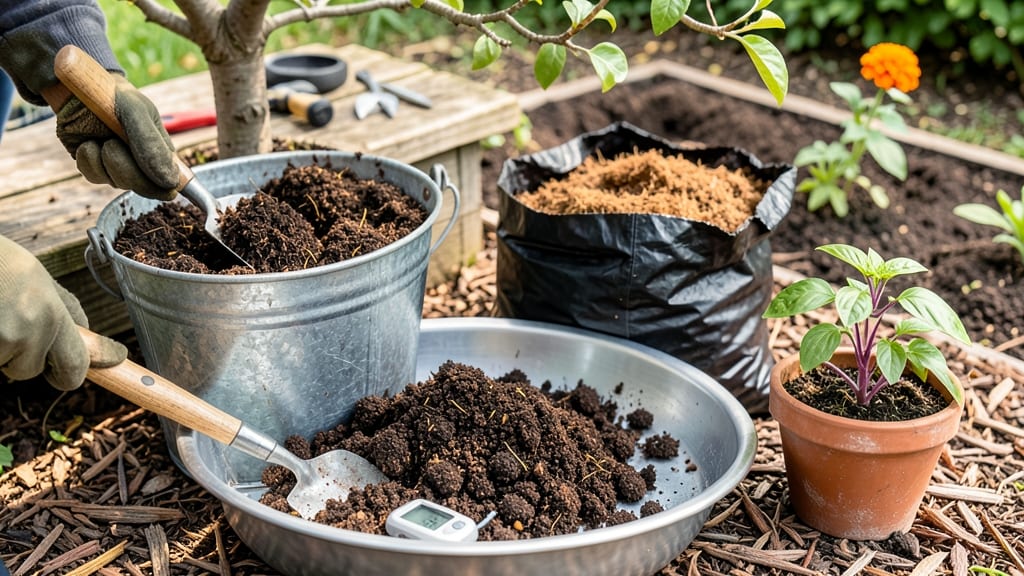
You can mix topsoil and potting soil to create a custom growing medium that improves drainage while retaining essential nutrients for outdoor plants. A balanced 50/50 blend works well for most garden beds, while heavier topsoil mixes (70/30) are ideal for root vegetables like carrots or potatoes.
Combining these two soil types leverages their unique strengths: topsoil provides natural fertility and microbial activity, while potting soil offers lightweight structure and better aeration.
This hybrid approach prevents compaction while supporting robust root systems. 🌱 For container gardens, I often adjust the ratio to 60% potting soil for better moisture control, especially in hot climates where evaporation is a concern.
What many gardeners overlook is how plant types influence the ideal blend. Leafy greens thrive in lighter mixes (50/50), while heavy feeders like tomatoes benefit from a 30/70 potting-to-topsoil ratio. The key is testing your soil's drainage first—if water pools after 30 minutes, add more potting soil to improve airflow.
💡 In This Article
- How Topsoil and Potting Soil Blends Improve Plant Growth
- Best Soil Mix Ratios for Vegetables, Flowers, and Lawns
How topsoil and potting soil blends improve plant growth
Topsoil and potting soil serve distinct roles in plant growth, and their combination creates an ideal environment for roots. Topsoil contains essential organic matter, beneficial microbes, and minerals that feed plants over time. Its texture is denser, holding moisture and nutrients but risking compaction.
Potting soil, on the other hand, is designed for aeration—it’s lighter, often containing perlite or vermiculite to prevent waterlogging and encourage airflow to roots. When mixed, they balance moisture retention with oxygen flow, preventing both drought stress and root rot.
The magic happens in the ratio. A 50/50 blend strikes a balance: topsoil provides nutrients while potting soil prevents compaction. For example, tomatoes—heavy feeders—thrive in a 30% potting soil/70% topsoil mix, where the extra topsoil fuels their growth without smothering roots.
In contrast, herbs like basil prefer a 60/40 mix to avoid soggy conditions. The key is adjusting based on your plant’s needs: moisture-loving plants (like lettuce) need more potting soil, while root crops (like beets) benefit from heavier topsoil blends.
This blend also enhances microbial activity. Topsoil’s natural bacteria and fungi break down organic matter, releasing nutrients slowly. Potting soil’s airy structure keeps these microbes active longer, reducing nutrient leaching. I’ve noticed in my garden that mixed beds retain fertility for 30-50% longer than pure topsoil alone.
The result? Healthier roots, fewer fertilizers, and plants that grow faster and stronger. 🌱
Drainage becomes a game-changer. Pure topsoil can become waterlogged, suffocating roots, while pure potting soil drains too quickly, starving plants of moisture. A blend regulates water flow: excess rainwater drains through the potting soil layer while the topsoil holds onto what’s needed.
For instance, in clay-heavy soils, adding 30-40% potting soil can transform compacted ground into a breathable medium within weeks.
Consider the texture: topsoil feels gritty and dense, while potting soil is fluffy and light. When mixed, the result is a crumbly, almost cake-like consistency—ideal for digging and root penetration. This texture also affects how plants establish themselves.
Seedlings in mixed soil sprout 20% faster than in pure topsoil because roots encounter less resistance. For container gardens, this blend is a lifesaver, preventing the common issue of roots circling due to poor aeration.
One critical factor is the pH balance. Topsoil’s pH varies by location (often 6.0-7.5), while potting soil is typically neutral (6.5-7.0). Mixing them buffers extreme pH swings, creating a stable environment.
For example, blueberries (which need acidic soil) may require adding peat moss to the blend, but for most vegetables and flowers, the natural balance of a 50/50 mix works perfectly.
Finally, think about long-term sustainability. Mixed soil retains structure better than pure topsoil, reducing the need for annual tilling. Over time, the organic matter in topsoil enriches the blend, while the potting soil’s additives (like coconut coir) improve water retention.
This synergy makes the soil more resilient to erosion and better at supporting diverse plant life. 💫