
How To
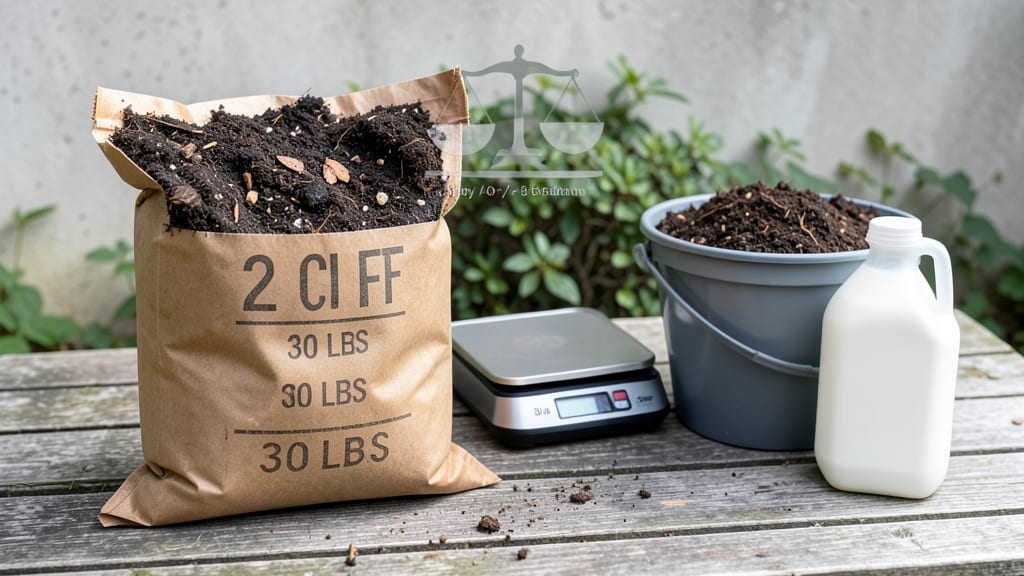
A 2 cubic foot bag of potting soil typically weighs 40 to 60 pounds when dry, but moisture content can add 10-20% extra weight, making it 45-70 pounds when damp. Always check the bag’s label for exact specs before lifting or transporting.
A 2 cubic foot bag of potting soil's weight isn't just about volume—it's heavily influenced by how much water it holds. 💧 When freshly mixed, many brands include 20-30% moisture to improve nutrient absorption, which can easily add 5-10 pounds to the dry weight.
For example, a bag labeled "45 lbs" might actually tip the scales at 55 lbs if it's fully saturated from storage or recent watering. This variation is why gardeners often underestimate how much effort moving potting soil requires.
Here's what you need to know about handling these bags safely: Most gardeners assume a 50-pound bag is manageable, but the added moisture makes it feel closer to 60 pounds—enough to strain your back if you're not careful. 💪 Using a dolly or wheelbarrow with wide, stable wheels reduces the risk of injury, especially when lifting bags from raised surfaces like truck beds.
I always recommend splitting larger bags into two 1-cubic-foot portions before carrying them, as this cuts the weight in half while keeping the soil workable.
💡 In This Article
- How Moisture and Soil Composition Affect Potting Soil Weight
- Safety Tips for Handling Heavy Potting Soil Bags
How moisture and soil composition affect potting soil weight
The weight of a 2 cubic foot bag of potting soil isn't fixed—it's a dynamic balance between moisture content and organic matter density. Most commercial blends contain 20-40% organic materials like peat moss, coconut coir, or composted bark, which absorb water like a sponge.
When dry, these components weigh significantly less than when saturated. For example, peat moss has a dry density of about 0.15 grams per cubic centimeter but can absorb up to 5 times its weight in water, instantly adding 10-15 pounds to a bag's total weight. 💧
Different soil compositions behave differently under moisture. A bag with high coconut coir content (common in eco-friendly blends) may weigh 5-10 pounds more when damp than one with peat moss, because coir holds water more efficiently.
Meanwhile, mineral-based soils (like perlite or vermiculite) add very little weight when wet—they're mostly air pockets. This is why a bag labeled "45 lbs" might feel like 55-60 lbs after a rainy season or if stored in a damp garage.
The key factor is the water retention capacity of the organic materials, which varies by brand and formulation.
Here's how to estimate weight if you're unsure: Start with the dry weight listed on the bag (usually 40-60 lbs), then add 10-20% for moisture if the soil feels damp to the touch.
For precise handling, squeeze a handful—if water drips out, assume the bag is at the heavier end of the spectrum. This moisture variation is why professional gardeners always weigh bags before lifting, especially when moving multiple containers.
A 10-pound difference can turn a manageable lift into a risky one. ✨
Bagged soil blends also differ from loose mixes because they're pre-compressed during manufacturing. This compression reduces air pockets, making the soil denser and heavier per cubic foot.
For instance, a loose mix of the same ingredients might weigh 30-40 lbs for 2 cubic feet when dry, but the same volume in a bag could weigh 50-60 lbs due to packing.
This compression effect is why some gardeners prefer bulk bins—they can scoop lighter, less compacted soil for large projects. However, bulk soil often requires additional screening to remove debris, adding another layer of complexity.
Understanding these factors helps explain why a bag might feel deceptively heavy even when labeled "lightweight." The organic matter-to-mineral ratio is the real game-changer—soils with more compost or peat will always weigh more when wet.
For example, a 50-50 blend of peat and perlite might weigh 45 lbs dry but 55 lbs wet, while a 70% mineral mix could stay under 50 lbs even when damp.
This science is why container gardening mixes (designed for moisture retention) often feel heavier than seed-starting mixes (which prioritize aeration). 🌱
One often-overlooked detail is how storage conditions affect weight. Soil stored in a plastic bag for months absorbs moisture from the air, gradually increasing weight by 5-10%. Conversely, soil kept in a cool, dry place may lose moisture and feel lighter.
This is why I always recommend opening bags indoors before use—it gives you a more accurate sense of the true weight and prevents surprises when lifting. For large projects, this small check can save your back from unnecessary strain. 💪