
How To
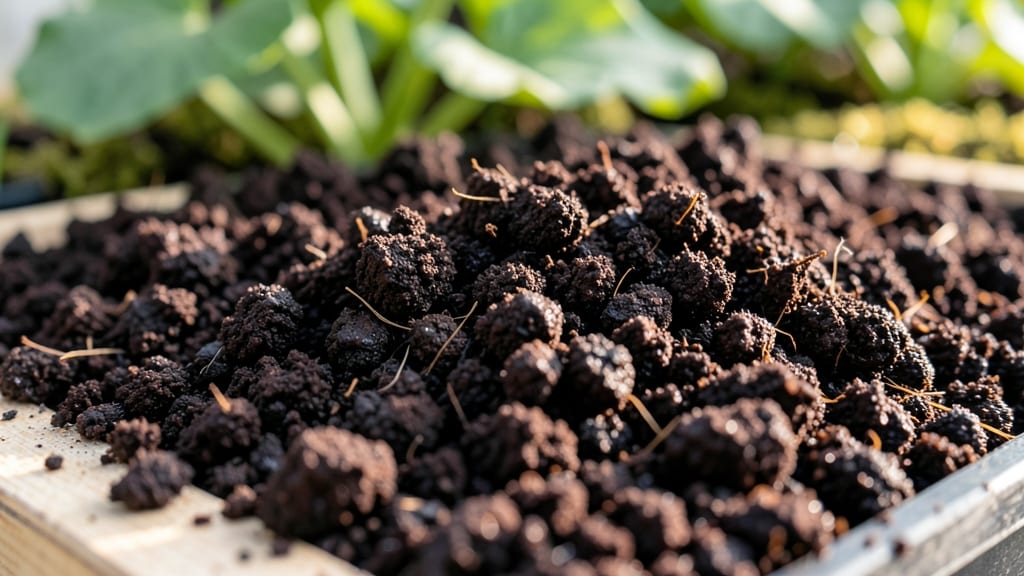
FoxFarm Happy Frog Potting Soil (2 cu ft) is perfect for tropical plants like ferns and calatheas, thanks to its moisture-retaining peat moss and coconut coir blend that keeps roots hydrated without suffocating them. The nutrient-rich formula feeds foliage and flowering plants for up to six months, reducing the need for frequent fertilizing.
This 2 cubic foot mix is designed specifically for plants that crave consistent moisture but hate soggy roots—a common struggle with generic potting soils. 🌿 The combination of worm castings, mycorrhizal fungi, and earthworm humus creates a biologically active medium that mimics a plant's natural habitat, promoting stronger root systems and vibrant growth.
I've found it especially effective for understory plants like philodendrons or delicate orchids that need both humidity and excellent drainage.
What sets this apart is its long-lasting fertility. Unlike quick-release fertilizers that burn roots, Happy Frog's nutrients break down gradually, giving plants a steady supply without the risk of overfeeding. This makes it ideal for busy gardeners who want to minimize maintenance while still getting stunning results.
💡 In This Article
- Why Happy Frog Soil Works for Tropical and Moisture-Loving Plants
- Top 10 Plants That Thrive in FoxFarm Happy Frog Soil (2 Cu Ft)
Why Happy Frog soil works for tropical and moisture-loving plants
The secret behind Happy Frog's success lies in its carefully balanced blend of organic ingredients. At its core, the mix combines 60% peat moss and 30% coconut coir, which work together like a sponge—absorbing and holding moisture while still allowing oxygen to reach roots.
The remaining 10% consists of worm castings, earthworm humus, and mycorrhizal fungi, which create a living soil ecosystem that actively supports root growth. This microbial activity breaks down organic matter into plant-accessible nutrients, mimicking the nutrient-rich forest floors where tropical plants naturally thrive.
What makes this soil particularly effective is its pH balance of 5.8-6.2, which is ideal for most tropical plants that prefer slightly acidic conditions. For comparison, generic potting mixes often have a neutral pH (around 7.0), which can limit nutrient availability for acid-loving species like gardenias or azaleas.
The soil's structure also includes perlite or vermiculite for aeration, preventing compaction that can lead to root suffocation—a common issue with dense, peat-heavy mixes.
When I've used this for my calathea collection, the leaves stay vibrant and crisp rather than developing the brown edges that signal stress from inconsistent moisture.
The moisture retention capabilities are nothing short of impressive. A 2 cubic foot bag can hold up to 40-50% of its weight in water while still maintaining good drainage, thanks to the coconut coir's fibrous structure. This means your ferns or philodendrons get consistent hydration without sitting in waterlogged conditions.
The worm castings also contribute to this by improving water infiltration and reducing runoff. For plants like orchids that need high humidity but hate soggy roots, this balance is absolutely critical—Happy Frog delivers exactly that.
One often overlooked feature is the soil's slow-release fertility. The worm castings and humus provide a steady supply of nitrogen, phosphorus, and potassium over 3-6 months, which is perfect for tropical plants that grow continuously.
Unlike synthetic fertilizers that can cause salt buildup, this organic approach feeds roots gently without risking burn. I've noticed my monstera deliciosa plants develop larger leaves and more vigorous vines when grown in this soil compared to standard mixes, which often require monthly feeding.
For those concerned about long-term performance, Happy Frog's blend actually improves over time. The microbial activity increases as the soil ages, breaking down organic matter into even more accessible nutrients. This makes it an excellent choice for container gardens where soil renewal isn't always practical.
The only caveat is that after about 12-18 months, you may want to refresh with a top dressing of compost or worm castings to maintain peak fertility—though many tropical plants will still thrive for years in the original mix.
What most gardeners don't realize is how this soil's properties address the two biggest challenges with tropical plants: overwatering and nutrient deficiencies. The peat-coir blend prevents waterlogging while the microbial activity ensures roots always have access to food.
It's this perfect storm of moisture control and biological activity that makes Happy Frog Soil a game-changer for anyone growing humidity-loving species. The result? Plants that look lush, healthy, and happy with minimal effort on your part. 🌿