Light Requirements
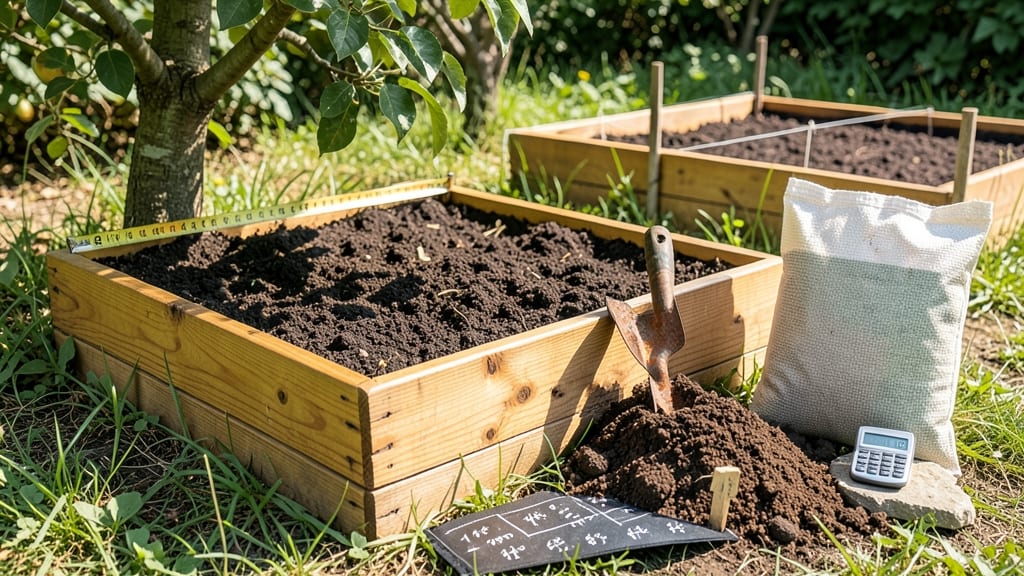
To determine how many cubic feet of soil you need, multiply the planting area’s length, width, and depth (in feet) to calculate the volume—most plants require at least 1 cubic foot for proper root expansion, while larger shrubs or trees may need 5+ cubic feet.
Understanding soil volume is all about giving roots the space they need to thrive. 🌱 For example, a small herb like basil might only need 1 cubic foot of soil, while a mature oak tree can require 50+ cubic feet when fully grown.
The key is matching soil depth to root systems—shallow-rooted plants like lettuce do well in 6–12 inches of soil, while deep-rooted perennials need 24+ inches for proper growth. Always account for future expansion, especially when planting trees or shrubs.
When calculating, remember that raised beds and containers reduce soil volume constraints. For instance, a 4x2-foot raised bed with 12-inch depth holds just 8 cubic feet—perfect for herbs or small vegetables, but too shallow for root crops like carrots.
Measuring accurately ensures you avoid overcrowding, which can stress plants and limit their ability to absorb nutrients.
💡 In This Article
- Calculating Soil Volume by Plant Root Systems
- Soil Volume Cheat Sheet for Common Garden Plants
Calculating soil volume by plant root systems
Root systems determine how much soil your plants truly need. Shallow-rooted plants like herbs (basil, thyme) or leafy greens (spinach, lettuce) thrive in just 6–12 inches of soil, translating to roughly 1 cubic foot per plant. The reason?
Their fibrous roots spread horizontally, maximizing surface area for nutrient absorption in a compact zone. 🌿 Meanwhile, deep-rooted perennials (asparagus, peonies) or trees (maples, oaks) require 24+ inches of soil to support their taproots, which can extend 3–6 feet deep.
The science behind this lies in oxygen availability and water retention. Soil deeper than 12 inches allows roots to escape compaction layers, while shallower depths risk root binding and stunted growth.
For example, a 4-inch diameter tree sapling needs about 5 cubic feet of soil initially, but its mature root ball could demand 50+ cubic feet—that’s why planting too close to sidewalks or buildings often fails. Always dig a test hole to check natural soil depth before calculating volume.
Here’s how to measure accurately: Use a tape measure for length/width, then dig a 1-foot square hole to test depth. Multiply these dimensions (length × width × depth) to get cubic feet.
For instance, a 3x3-foot garden bed with 12-inch depth holds 9 cubic feet—ideal for 3–4 medium-sized plants like tomatoes or peppers, each needing 1–2 cubic feet of space.
Container gardening changes the game. A 5-gallon pot holds about 0.67 cubic feet, perfect for herbs but too small for root crops. The rule of thumb: 1 cubic foot per gallon of container volume.
For example, a 15-gallon pot gives you 1.5 cubic feet—enough for a small shrub like rosemary, but not a mature blueberry bush, which needs 5+ cubic feet.
Seasonal soil changes matter too. Clay soils compact easily, reducing oxygen flow, while sandy soils drain too quickly. Amending with compost improves both structure and volume—adding 2–3 inches of compost to a 1-cubic-foot hole increases its nutrient capacity by 30–50%.
Think of soil like a sponge: the right mix holds water and air where roots need it most. 💧
For large projects, consider soil bulk density. Most garden soils weigh 60–80 pounds per cubic foot, so a 10-cubic-foot delivery might tip the scales at 600–800 pounds. Renting a wheelbarrow (typically 2–3 cubic feet per load) becomes impractical for anything over 5 cubic feet.
Plan ahead: a 10x10-foot bed with 12-inch depth requires 100 cubic feet—that’s 12–16 bags of topsoil if using 8-cubic-foot bags.