Advice
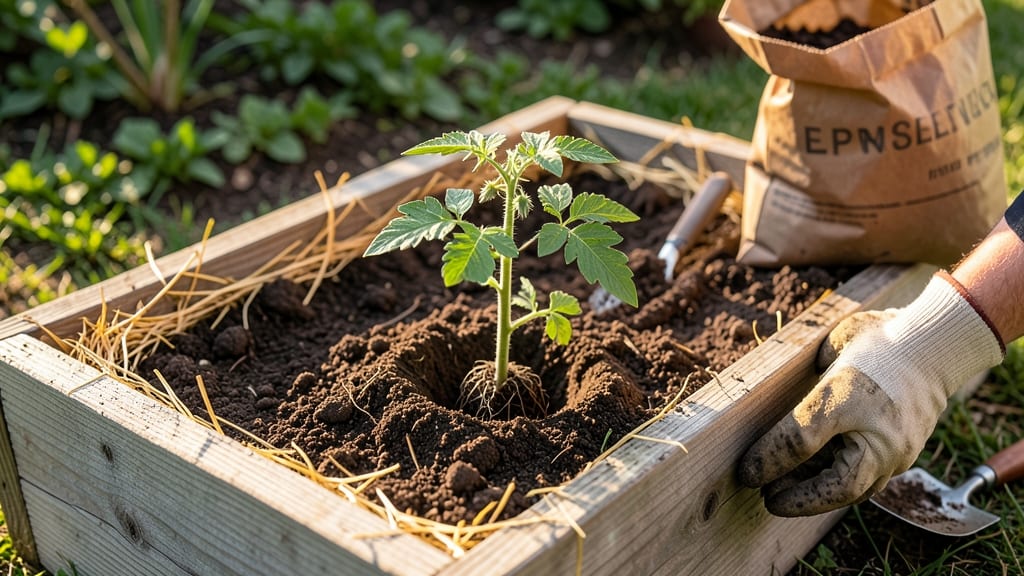
You can use garden soil in raised beds, but it’s not ideal—it often contains weeds, pests, or diseases that can harm your plants. For healthier growth, blend it with compost, perlite, and organic matter to improve drainage and fertility.
Garden soil from your yard may seem convenient, but it often lacks the nutrients and structure raised beds need. 🌱 The problem isn’t just weeds—compacted soil can stunt root growth, while pathogens or larvae lurking in the soil can spread to your plants.
I’ve seen beginners skip mixing and end up with stunted seedlings or infestations. Instead, a balanced blend (like 60% topsoil, 30% compost, and 10% perlite) prevents these issues while keeping costs low.
For heavy clay soil, add sand or coconut coir to loosen it, while sandy soil benefits from peat moss or compost to retain moisture. The key is mimicking the loose, nutrient-rich environment plants thrive in—something garden soil alone rarely provides.
Test your soil first if possible, as pH levels can also play a big role in plant success.
💡 In This Article
- Risks of Using Garden Soil Directly in Raised Beds
- Best Soil Mix Recipes for Raised Garden Beds
Risks of using garden soil directly in raised beds
Garden soil often contains hidden threats that can derail your raised bed projects. The biggest issue is weed seeds, which can lie dormant for years before sprouting—some varieties like crabgrass or bindweed are particularly aggressive.
A single shovelful might introduce hundreds of seeds, leading to a never-ending battle with weeds that outcompete your vegetables for nutrients and water.
Pathogens and pests are another major concern. Garden soil frequently harbors fungal diseases like damping-off (which kills seedlings) or larvae from grubs and cutworms that feed on plant roots.
The problem worsens if your yard soil has ever hosted diseased plants or been treated with herbicides, which can linger and harm your new crops. Even "healthy" looking soil might contain microscopic organisms that thrive in the warm, moist conditions of raised beds.
Structural issues compound these problems. Garden soil tends to be compacted from foot traffic or machinery, creating a dense layer that restricts root growth and oxygen flow. Roots in compacted soil can't expand properly, leading to stunted plants that struggle to absorb water and nutrients.
The texture also becomes clay-heavy in many regions, forming brick-like clumps when wet that repel water instead of absorbing it—exactly the opposite of what raised beds should provide.
Nutrient imbalances further complicate matters. While garden soil may contain organic matter, it often lacks the balanced micronutrients (like zinc or manganese) that container gardening requires. Plants in raised beds grow faster than in ground soil, depleting nutrients rapidly.
Without proper amendments, you'll see yellowing leaves (chlorosis) or poor flowering/fruiting—even with regular fertilization. The soil's pH might also be unsuitable, with many garden soils sitting in the 6.0-7.0 range when vegetables often prefer 6.0-6.8.
Consider this real-world example: A friend used pure garden soil in her raised bed and ended up with tomato plants that produced only 20% of their usual yield. The soil tested at 7.2 pH (too alkaline for tomatoes) and contained bindweed roots** that choked out the plants.
After switching to a 50/50 mix of topsoil and compost with perlite, her next harvest doubled—proving how critical the right blend is.
Even if your garden soil looks perfect, the lack of structure is the final nail in the coffin. Without amendments like perlite or coconut coir, the soil settles over time, reducing your bed's volume by up to 25% within a year.
This means less growing space and more frequent refilling—hardly an efficient use of your time or money. 🌱