
Landscaping
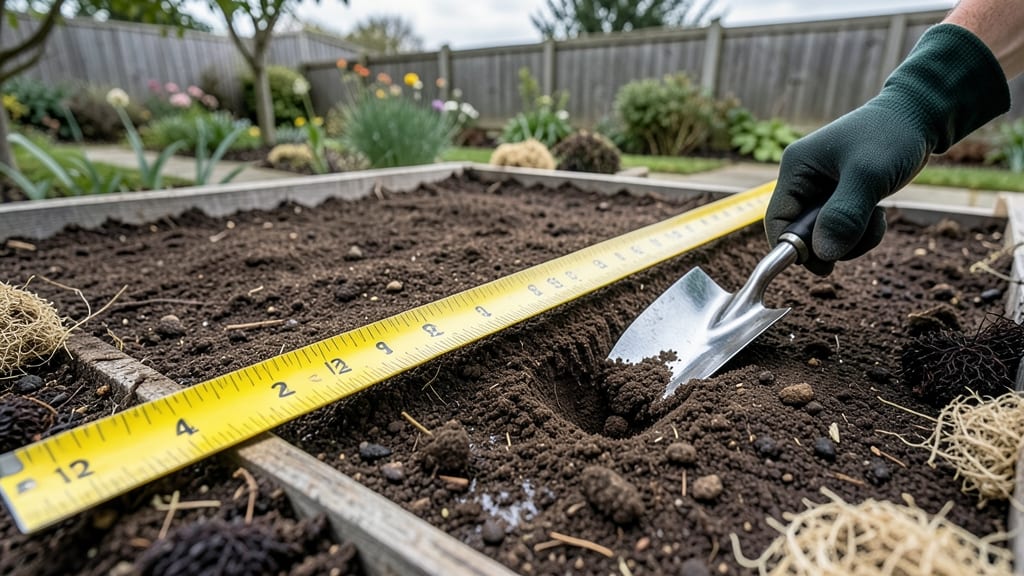
A yard of soil coverage means covering 100 square feet with a 3-inch layer of soil, which equals 27 cubic feet or about 75 pounds per cubic foot. The exact weight varies based on moisture levels and organic matter, so always check your project's depth requirements before purchasing.
A yard of soil coverage is a standard measurement in landscaping that helps you estimate how much topsoil or mulch you'll need for garden beds, lawns, or raised planters. This 100-square-foot area at 3 inches deep translates to roughly 27 cubic feet, but real-world conditions can shift that number.
For example, sandy soil weighs less than clay-heavy mixes, and freshly tilled soil settles over time, often requiring 10-20% more material than your initial calculations. 🌱 I always recommend buying an extra bag or two to account for these variables—especially when working with slopes or uneven terrain.
Understanding this measurement saves money and prevents shortages. If your project calls for a 6-inch depth instead of 3, you'd need double the volume—so adjusting for depth is critical.
For raised beds, multiply the length × width × depth (in feet) to find your total cubic feet, then divide by 27 to get yards. This simple math ensures you order the right amount without overpaying.
💡 In This Article
- Calculating Soil Volume for Landscaping Projects
- Factors Affecting Soil Weight and Density
Calculating soil volume for landscaping projects
The foundation of soil volume calculations lies in understanding the relationship between square footage and cubic feet. A yard of soil coverage covers 100 square feet at a 3-inch depth, which converts to 27 cubic feet (3 ft × 3 ft × 3 ft).
This conversion comes from multiplying length × width × depth—where depth is converted from inches to feet (3 inches = 0.25 feet). For a 6-inch depth, you'd double the volume to 54 cubic feet, or two yards of soil. 🔥
Depth is where most landscapers trip up. A common mistake is assuming a 3-inch layer is standard, but garden beds often need 6-12 inches for root systems, while lawn topsoil might only require 1-2 inches.
Uneven terrain adds complexity—slopes or hills require calculating the average depth or using the "average end area" method in civil engineering. For example, a sloped area might need 15% more material than flat ground to ensure full coverage. Always measure multiple points and average them for accuracy.
Real-world adjustments are critical. Freshly delivered soil settles 10-20% after spreading, so order extra to avoid shortages. For raised beds, multiply the internal dimensions (not outer frame size) by depth.
A 4 ft × 8 ft × 12 in bed needs 32 cubic feet (4 × 8 × 0.25 × 4 sides = 32), or about 1.2 yards of soil. Pro tip: Use a soil calculator or spreadsheet to automate these conversions—many nurseries offer free tools online.
Visualizing helps too. Imagine stacking 27 cubic feet of soil in a 3 ft × 3 ft × 3 ft cube—it's roughly the size of a small refrigerator. For larger projects, break the area into smaller rectangles, calculate each section separately, then sum the totals.
This "divide and conquer" approach prevents errors in complex layouts like circular gardens or irregularly shaped beds. 🌱
Compaction further complicates things. Foot traffic or machinery can reduce volume by 25-30%, so account for this in high-traffic areas. For example, a 100 sq ft lawn needing 2 inches of topsoil would require 13.5 cubic feet (100 × 0.1667 × 0.85 compaction factor), or about 0.5 yards.
Always overestimate—it's easier to return unused soil than scramble for more mid-project.
For precise estimates, consider the soil type. Sandy loam settles less than clay-heavy mixes, while organic-rich compost may shrink 30%+ as it decomposes. When in doubt, ask your supplier for the "loose bulk density" of their soil—this tells you how much volume to order per yard.
Most topsoils weigh 1,500-2,000 lbs per cubic yard, but mulch can be as light as 400 lbs per cubic yard when fluffy.
Mastering these calculations transforms guesswork into precision. Start small with a 10 sq ft test area, measure the soil depth after settling, then scale up. This hands-on approach builds intuition for future projects—because no two yards of soil are exactly alike. ✨