
Landscaping
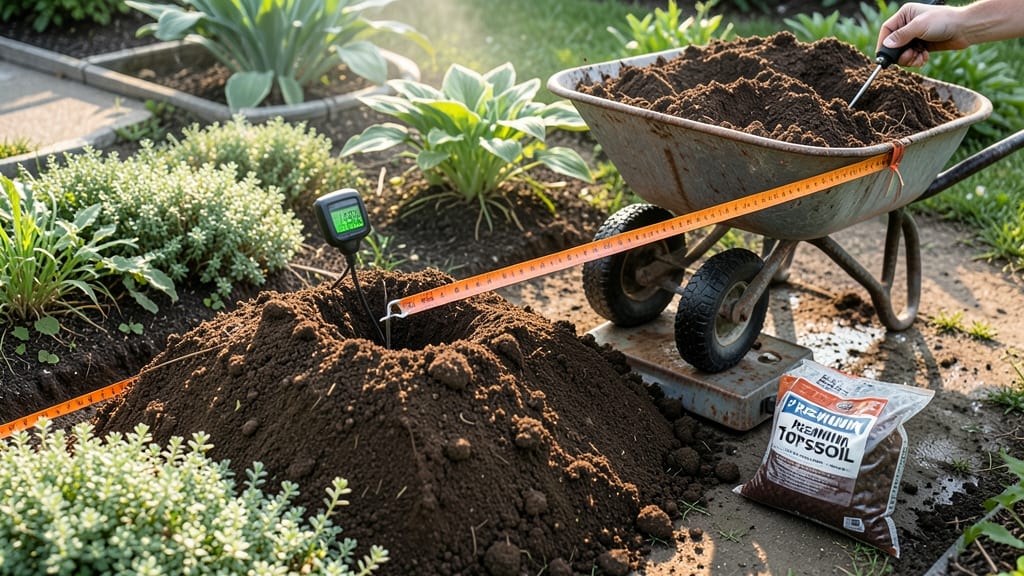
Determining the weight of 1 cubic yard of soil shows it typically ranges from 2,000 to 3,000 pounds, with sandy soil weighing around 2,400 pounds and clay-heavy soil often exceeding 2,800 pounds. Moisture content can increase this weight by 20-30%, while organic matter adds volume without significantly affecting weight.
Understanding soil weight is crucial for landscaping and construction projects, as different compositions drastically change the numbers. 🌱 Sandy soil's loose particles create less density, while clay's tightly packed structure makes it heavier.
Even small variations in moisture can shift weight by hundreds of pounds—something to consider when planning deliveries or excavation work. For accurate estimates, always factor in your specific soil type and current moisture levels.
This weight range explains why heavy equipment is needed for clay soil projects versus lighter machinery for sandy areas. The difference isn't just about strength requirements—it affects everything from transportation costs to foundation stability.
I've seen projects where underestimated soil weight led to unexpected expenses, so always verify your soil composition before making calculations.
💡 In This Article
- Soil Composition Breakdown: How Type Affects Weight
- Practical Soil Weight Calculations for Gardening Projects
Soil composition breakdown: how type affects weight
Soil weight varies dramatically because it's not a uniform material—it's a complex mix of minerals, organic matter, water, and air.
The key factor is particle density: sand particles are large and loosely packed, creating a lightweight structure (~100-120 pounds per cubic foot), while clay particles are tiny and tightly bound, packing in at ~80-100 pounds per cubic foot.
This explains why sandy soil typically weighs around 2,400 pounds per cubic yard while clay can exceed 2,800 pounds—the difference comes from how those particles arrange themselves at the microscopic level. 🌍
Loamy soil, often considered ideal for gardening, falls between these extremes with weights around 2,500-2,700 pounds per cubic yard. Its balanced composition of sand, silt, and clay creates a stable structure that resists compression better than pure sand but isn't as dense as clay.
Organic matter—like decomposed plant material—adds bulk without significant weight, which is why peat moss or compost-heavy soils might appear lighter for their volume but actually contain similar mineral weights when dry. The real weight variations come when you factor in moisture.
Water transforms soil weight more than any other factor. Dry sandy soil might weigh 2,400 pounds, but when saturated, that same cubic yard could jump to 3,000 pounds or more—a 25% increase from moisture alone.
Clay soils show even more dramatic changes because their tiny particles create capillary action that holds water tenaciously. This is why construction sites often test soil moisture before excavation: a seemingly solid clay bed could suddenly become a heavy, unstable slurry when wet. 💧
Let's compare the extremes: peat soil, which is mostly organic matter, typically weighs just 400-800 pounds per cubic yard when dry, while volcanic soils with high mineral content can reach 3,200 pounds per cubic yard.
The difference lies in mineral composition—volcanic soils contain heavy metals like iron and magnesium that increase density, while peat's fibrous structure traps air and water without adding much mass. Even small variations in mineral content can shift weights by hundreds of pounds per cubic yard.
What most people overlook is how compaction affects these numbers. When soil is tilled or driven over, particles pack tighter, increasing density by 10-20%. This is why freshly dug soil always weighs less than in-situ soil—it hasn't had time to settle.
For accurate calculations, always measure soil in its natural state before any disturbance. The weight differences between soil types aren't just academic—they determine everything from equipment needs to transportation costs in landscaping projects. 🚜
Consider this real-world example: a 10-cubic-yard delivery of sandy soil would weigh about 24,000 pounds (12 tons), but the same volume of clay soil could reach 28,000 pounds (14 tons). That's enough to require a heavier truck or more frequent deliveries—details that can make or break a project budget.
Understanding these compositional differences helps you anticipate challenges before they become costly surprises.