
Neem Oil
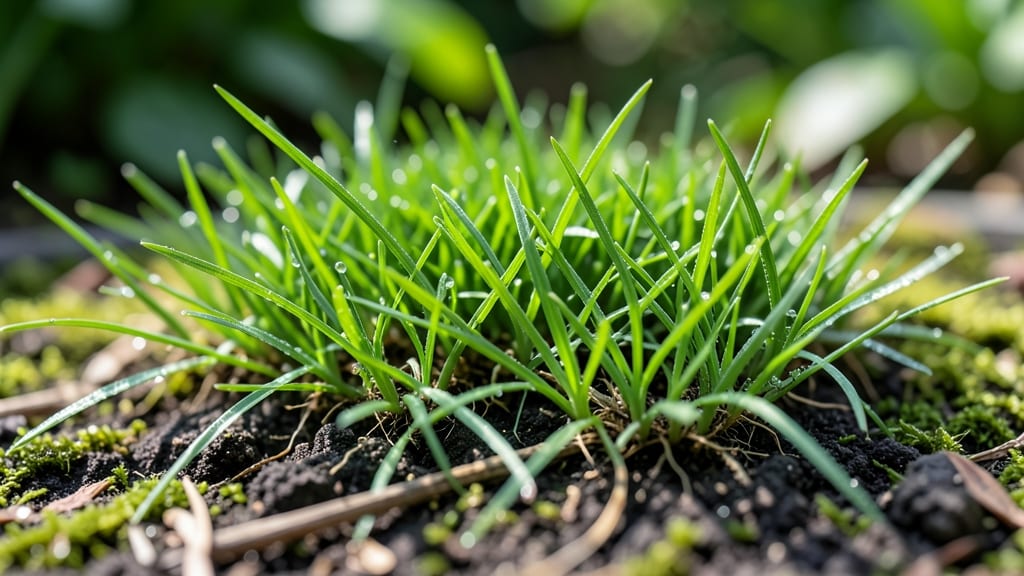
When grubs and beetles threaten your lawn’s roots, Bayer Advanced Complete Insect Killer for Soil & Turf delivers fast, targeted relief without harming beneficial insects.
I’ve used this granular formula to rescue lawns from brown patches and weakened turf—it works by disrupting pests’ life cycles while keeping soil safe for plants.
The key is timing: apply it in early spring or late summer when grubs are most active, and water lightly afterward to activate the treatment.
This insect killer targets Japanese beetles, grubs, ants, and even fire ants—common culprits that chew through roots and leave behind skeletal turf. Unlike chemical sprays, the granules spread evenly with a spreader, ensuring full coverage in high-risk areas like lawn edges or near garden beds.
For best results, reapply every 3 months during active pest seasons, but always follow the label’s recommended rates to avoid overapplication.
What sets this apart is its low-impact formula—it breaks down in the soil and won’t harm earthworms or pollinators if used correctly. Pair it with organic practices like overseeding bare spots or encouraging beneficial nematodes for long-term resilience.
The results? A thicker, greener lawn within weeks, with fewer pests returning year after year.
For tough infestations, combine it with cultural fixes like proper watering and mowing height—shorter grass stresses out grubs, making them easier targets. Always store the product securely and keep it away from children and pets until fully watered in.
With the right approach, this insect killer becomes a preventive shield, not just a quick fix.
Root Causes Of Soil-Turf Pest Infestations
Pests like grubs and beetles don’t just appear out of nowhere—they’re drawn to specific conditions in your soil and turf. Understanding why these insects thrive is the first step to preventing them with solutions like targeted insect control.
Below, we break down the key factors that create the perfect environment for soil-dwelling pests.
Grubs and beetles love moist, waterlogged conditions because they provide easy access to roots and shelter from predators. Here’s why it happens:
- Excess moisture: Overwatering or compacted soil traps water, creating anaerobic zones where grubs thrive. Japanese beetle larvae, for example, prefer soils with high moisture retention because it slows decomposition and makes roots easier to feed on.
- Poor drainage: Clay-heavy or poorly amended soil holds water like a sponge, turning your lawn into a buffet for pests. Without proper aeration, roots weaken, making them more vulnerable to attack.
- Fungal growth: Excess moisture also encourages fungal diseases (like white grubs), which further stress turfgrass, making it more attractive to beetles laying eggs.
Actionable fix: Test your soil’s drainage and amend with organic matter (like compost or sand) to improve aeration. Water deeply but infrequently to encourage root growth.
Thatch—a layer of dead grass, roots, and debris—acts like a cozy blanket for pests. Here’s how it becomes a problem:
- Shelter for eggs/larvae: Female beetles (like June bugs or chafers) lay eggs in thatch, where larvae can burrow down to feed on roots undisturbed.
- Moisture retention: Thatch traps humidity, creating ideal conditions for grubs to develop. A layer thicker than ½ inch is a red flag.
- Nutrient competition: Thatch decomposes slowly, starving healthy turfgrass of nitrogen and phosphorus—weakening its defenses against pests.
Actionable fix: Dethatch your lawn in early spring or fall using a rake or vertical mower. Pair this with preventative treatments to disrupt the life cycle.
Healthy grass repels pests. When turf is malnourished or stressed, it becomes an easy target. Here’s the science:
- Lack of nitrogen (N): Nitrogen-deficient grass is pale and weak, making it easier for grubs to chew through roots. Beetles detect stressed plants via volatile organic compounds (VOCs), which signal "easy prey."
- Potassium (K) deficiency: Potassium strengthens cell walls—without it, roots become soft targets. Grubs prefer turf with low potassium levels because it’s less resistant to their feeding.
- Disease or drought stress: Damaged turfgrass releases sugars and amino acids into the soil, attracting grubs like a dinner bell.
Actionable fix: Conduct a soil test and fertilize with a balanced formula (e.g., 16-4-8). Overseed bare spots and irrigate deeply but less frequently to reduce stress.
Most soil pests start as eggs laid by adult beetles. Their behavior is tied to seasonal and environmental cues:
- Timing: Beetles like Japanese beetles or June bugs time egg-laying with warm, moist soil (typically late spring to early summer). A single female can lay 40–60 eggs in thatch or soil cracks.
- Host plant preference: Beetles target specific grasses (e.g., Kentucky bluegrass or tall fescue) because their roots are nutrient-rich. If your lawn is monocultured, you’re a prime target.
- Weather triggers: Heavy rains or high humidity signal beetles to lay eggs sooner, as larvae need consistent moisture to survive.
Actionable fix: Monitor adult beetle activity in late spring. Use granular insecticides or neem oil sprays to disrupt egg-laying cycles before larvae hatch.
Even well-maintained lawns can become pest magnets due to unintentional human actions:
- Over-fertilizing with high nitrogen: While nitrogen greens up grass quickly, it also attracts beetles seeking soft, fast-growing roots.
- Using broadleaf herbicides: Chemicals that kill clover or dandelions can also weaken turfgrass, making it more susceptible to grub damage.
- Ignoring early signs: Brown patches or spongy turf (a sign of grubs) are often dismissed as drought stress—by the time you notice, larvae may already be 2 inches deep.
Actionable fix: Rotate fertilizers with slow-release options and avoid herbicides during beetle peak seasons (June–August). Inspect soil for larvae with a trowel in early summer.
How to Fix Pest Problems Fast
Now that you know the culprits behind your turf’s woes—whether it’s Japanese beetles, grubs, or ants—it’s time to take action. Bayer Advanced Complete Insect Killer for Soil & Turf is your go-to solution, but smart application and prevention are key.
Below, we break down practical fixes for common pests, step by step, plus pro tips to keep your lawn thriving long-term.
Cause: White grubs (larvae of beetles) munch on grass roots, leaving brown patches that pull up easily. Fix:
- 🔍 Identify the Problem Dig a small patch of turf—if you find C-shaped larvae, grubs are the culprit. Act fast before damage spreads!
- 🌱 Apply Bayer Advanced Insect Killer
- When: Early morning or late evening (avoid peak sun to protect beneficial insects).
- How: Use a spreader for even coverage (follow label rates for your lawn size).
- Focus Areas: High-risk zones like newly seeded areas or spots with thinning grass.
- 💡 Pro Tip Reapply every 4–6 weeks during grub season (late spring to early fall) for full protection. Water lightly after application to activate the granules.
Cause: Adult beetles skeletonize leaves and lay eggs in soil, leading to new grub infestations. Fix:
- 🍃 Handpick & Drop in Soapy Water Fill a bucket with soapy water and drown beetles during peak feeding (6 AM–10 AM). Check rose bushes and grapevines—they’re favorites!
- 🌿 Use Bayer for Soil & Turf
- Target: Apply to the base of plants and high-traffic grassy areas where beetles gather.
- Bonus: The chlorantraniliprole in Bayer kills both grubs and beetles in one treatment.
- 🌡️ Prevent Future Outbreaks
- Mow high (3–4 inches) to stress beetles less.
- Plant resistant varieties like iris, boxwood, or black-eyed Susans.
Cause: Fire ants or carpenter ants create mounds or hidden tunnels, damaging roots and attracting other pests. Fix:
- 🏗️ Locate the Nest Mounds? Douse with water to force ants out, then treat. Hidden nests? Follow trails to the source.
- 💊 Apply Bayer Granules Directly
- For mounds: Sprinkle granules directly on the nest and water lightly.
- For trails: Create a barrier around high-ant areas (e.g., patios, sidewalks).
- ✨ Long-Term Defense
- Reduce moisture near foundations (ants love damp soil).
- Use mulch sparingly—ants nest under thick layers.
| Problem | Prevention Hack | Bayer Tip |
|---|---|---|
| Grubs | Encourage beneficial nematodes in soil. | Apply Bayer in early spring. |
| Japanese Beetles | Plant neem-treated plants as a repellent. | Reapply every 3 months. |
| Ants | Keep grass short and healthy. | Treat high-risk zones in summer. |
💡 Final Pro Tip: Test your soil first! A simple pH test (aim for 6.0–7.0) ensures Bayer works optimally. Healthy soil = stronger grass = fewer pests.
With Bayer Advanced Insect Killer, you’re not just treating symptoms—you’re cutting off the problem at the source. Follow these steps, stay vigilant, and enjoy a lush, pest-free lawn all season long!
Frequently asked questions
What types of pests does Bayer Advanced Complete Insect Killer target?
This formula effectively controls grubs, Japanese beetles, ants (including fire ants), and other soil-dwelling insects that damage turf. The active ingredient, chlorantraniliprole, disrupts pests' nervous systems while being gentle on beneficial insects when used correctly. For best results, focus on areas with visible damage like brown patches or ant mounds.
How often should I apply Bayer Advanced Insect Killer?
For active pest seasons (late spring to early fall), apply every 4-6 weeks to maintain protection. Start treatments in early spring before grubs become active. Always follow the label's recommended rates—overapplying won't improve effectiveness and could harm beneficial organisms. Water lightly after application to activate the granules.
Can I use this product around pets and children?
Keep pets and children away from treated areas until the granules are watered in (24 hours). Store the product securely in a locked cabinet. The formula is designed to break down in soil, but it's always safer to wait until it's fully activated. For extra caution, treat lawns when pets aren't playing there.
Will Bayer Advanced Insect Killer harm beneficial insects like bees or earthworms?
When used according to label instructions, this product is designed to minimize impact on beneficial insects. Avoid applying during peak bee activity (early morning or late evening). Earthworms are generally unaffected as long as you don't overapply. For extra protection, focus treatments on high-risk areas rather than blanket coverage.
How do I know if my lawn has grubs or beetles?
Look for these signs: Brown patches that pull up easily (grubs), skeletonized leaves (beetles), or ant mounds. Dig a small patch of turf—if you find C-shaped larvae, you've got grubs. For beetles, check for adult insects feeding on foliage during 6 AM–10 AM when they're most active. Early detection is key!