
Tools
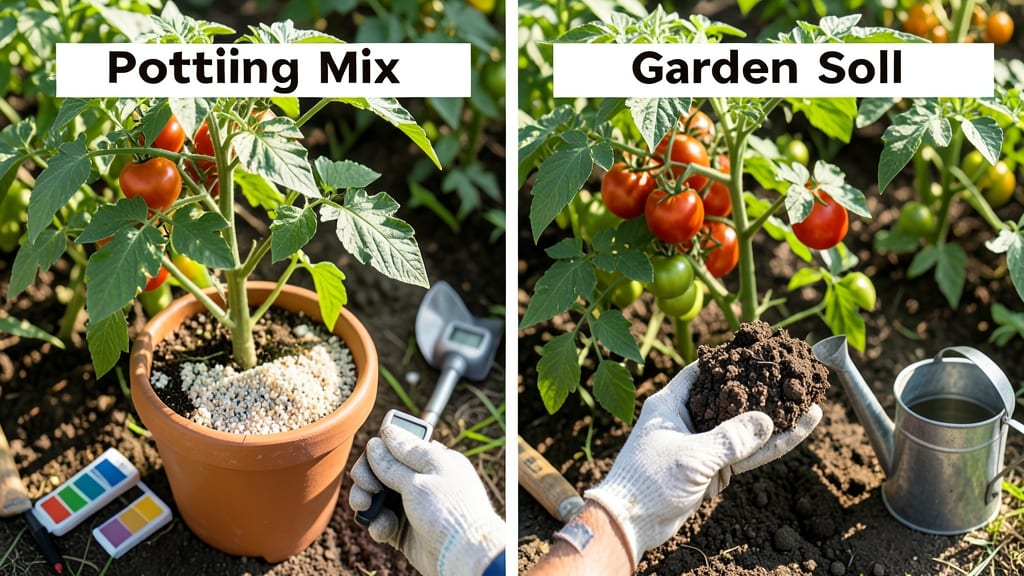
Your vegetable roots will either drown or starve depending on what you plant them in—potting mix vs garden soil makes all the difference. 🌱 I’ve seen tomatoes thrive in containers using the right mix while the same plants in garden soil withered from overwatered roots.
The choice isn’t just about where you’re growing—it’s about how your plants eat, breathe, and expand underground.
Potting mix is the lightweight, airy option designed for containers, packed with compost and perlite to prevent compaction. It drains fast (critical for root health) but lacks the heavy minerals found in garden soil.
Meanwhile, garden soil—rich in organic matter when healthy—can suffocate roots with clay or become waterlogged. Neither is universally "better"; it’s about matching the plant’s needs to the medium’s strengths.
For leafy greens like lettuce or herbs, potting mix wins in containers because it stays loose and nutrient-dense. Root crops (carrots, potatoes) need garden soil’s depth and texture to grow straight and sturdy.
The trick? Amend garden soil with compost to mimic potting mix’s benefits, or add coarse sand to potting mix for heavier feeders like tomatoes.
Here’s the real secret: most gardeners mix both. Use potting mix for containers and raised beds, then top-dress garden soil with a 2-inch layer of compost. Your plants will thank you with stronger stems, deeper roots, and harvests that keep coming all season long.
The first product explained
Meet Miracle-Gro All Purpose Garden Soil—your go-to companion for turning your backyard into a thriving vegetable garden! 🌱🍅 This premium blend is designed to give your veggies the perfect foundation for growth, whether you're a seasoned green thumb or just starting your gardening journey. Let’s dive into what makes this soil stand out.
📏 Key Specs & Features
- Composition: A balanced mix of peat moss, compost, and essential nutrients (including nitrogen, phosphorus, and potassium) to support root development and plant health.
- Texture: Lightweight and well-aerated, ensuring roots get the oxygen they need while retaining moisture—no soggy mess here!
- pH Level: Neutral to slightly acidic (6.0–7.0), ideal for most vegetables like tomatoes, peppers, and leafy greens.
- Organic Matter: Contains slow-release nutrients to feed your plants over time, reducing the need for frequent fertilizing.
- Bag Size: Available in 2 cu. ft., 4 cu. ft., and 8 cu. ft. bags—perfect for small containers or large garden beds.
- Eco-Friendly: Made with renewable resources and designed to minimize waste.
🎯 Who Is This For?
This garden soil is a versatile powerhouse suited for:
- 🌿 Beginner gardeners who want a hassle-free, nutrient-rich start.
- 🏡 Urban gardeners with limited space (great for raised beds or containers!).
- 🍅 Vegetable enthusiasts growing tomatoes, peppers, cucumbers, or herbs.
- 🔄 DIYers looking to amend their existing garden soil for better yield.
💰 Price Point & Value
Priced competitively at $5–$12 per bag, depending on size, this soil offers exceptional value for its quality and performance. For larger projects, the 8 cu. ft. bag is a cost-effective choice, delivering long-term savings by reducing the need for additional fertilizers or amendments.
💡 Pro Tip: Mix this soil with compost or worm castings for an extra nutrient boost—your veggies will thank you!
The second product explained
If you're looking for a versatile, nutrient-rich option that bridges the gap between potting mix and traditional garden soil, Miracle-Gro Performance Organics All Purpose Garden Soil is a fantastic choice! 🌱✨ This premium blend is designed to give your veggies the perfect balance of organic matter, drainage, and nutrients—without the guesswork.
Let’s break down why it’s a favorite among home gardeners and small-scale farmers alike.
📏 Specs & Features
Miracle-Gro Performance Organics is a 1.5 cubic foot bag (about 36 quarts) that weighs roughly 25 lbs. Here’s what makes it stand out:
- Organic Blend: Made with 50% organic matter, including composted plant materials, coconut coir, and other natural ingredients to feed your plants slowly over time.
- Balanced Nutrients: Enriched with essential micronutrients like nitrogen, phosphorus, and potassium (NPK ratio of 4-3-3) to support robust root and leaf growth.
- Improved Drainage: The mix includes perlite and sand to prevent compaction, ensuring roots get the oxygen they need.
- pH-Balanced: Formulated to be mildly acidic to neutral (pH 6.0–7.0), ideal for most vegetables like tomatoes, peppers, and leafy greens.
- Weed & Pest Control: Contains natural ingredients to deter weeds and repel common garden pests without harsh chemicals.
🎯 Target Users
This product is perfect for:
- Beginner Gardeners: Easy to use—just mix it with your existing soil or use it as a top-dressing for raised beds.
- Urban Farmers & Container Gardeners: Great for filling large pots, grow bags, or small raised beds where space is limited.
- Organic Enthusiasts: While not fully certified organic, it’s made with natural, synthetic-free ingredients that align with organic gardening principles.
- Vegetable Lovers: Specifically formulated to boost yields and flavor in crops like herbs, tomatoes, and root vegetables.
💰 Price Point & Value
Priced around $12–$15 per 1.5 cubic foot bag (varies by retailer), this soil is a cost-effective upgrade from basic garden soil. Here’s why it’s worth the investment:
- Long-Term Savings: Reduces the need for frequent fertilizing, saving you money on amendments over time.
- Bulk Options Available: Many garden centers sell it in larger bags (4–5 cubic feet) for serious gardeners.
- Versatility: Can be used for seed starting, transplanting, or amending poor soil, making it a multi-purpose workhorse.
Pro Tip: 💡 For best results, mix this soil 50/50 with your existing garden soil to improve its structure and nutrient retention—especially in heavy clay or sandy soils!
Head-to-head comparison
🌱 Performance: How Each Soil Type Fuels Your Veggies
When it comes to nurturing your vegetable garden, the performance of your growing medium can make or break your harvest. Let’s break down how potting mix and garden soil stack up in key areas:
- Nutrient Density:
Potting mix often comes pre-loaded with balanced, slow-release fertilizers and organic matter like compost or worm castings. This ensures your veggies get a steady supply of nutrients without overloading them. Garden soil, on the other hand, relies on what’s naturally present—sometimes rich, sometimes lacking.
If your garden soil is nutrient-poor, you’ll need to amend it with compost or fertilizer, adding extra effort (and cost!).
- Drainage & Aeration:
Potting mix is designed to drain quickly while retaining just enough moisture to keep roots happy. This prevents waterlogging, which can drown roots and invite fungal diseases. Garden soil, especially clay-heavy varieties, can become compacted over time, leading to poor drainage.
Sandy soils may drain too fast, leaving roots thirsty. The fix? Amending garden soil with perlite or organic matter to improve structure.
- Root Development:
Potting mix encourages shallow but dense root systems, ideal for container gardening where roots are confined. Garden soil, when properly tilled and amended, allows roots to spread deeper and wider, accessing more nutrients and water.
For heavy feeders like tomatoes or peppers, garden soil often gives them the room to thrive—but only if it’s loose and fertile.
- pH Balance:
Most potting mixes are slightly acidic to neutral (pH 6.0–7.0), perfect for the majority of vegetables. Garden soil can vary wildly—some are alkaline (pH 8.0+), which can lock out essential nutrients like iron or phosphorus.
Testing your soil and adjusting with lime (to raise pH) or sulfur (to lower it) may be necessary for optimal growth.
🛒 Price: Your Wallet vs. Your Harvest
Budget-conscious gardeners, listen up! The cost difference between potting mix and garden soil can add up—especially if you’re growing a lot of veggies.
| Factor | Potting Mix | Garden Soil |
|---|---|---|
| Upfront Cost | $3–$8 per cubic foot (or $10–$30 per 2–3 cubic feet bag). | Free to low-cost if you have existing garden beds. Amendments (compost, fertilizer) can add $5–$20 per cubic yard. |
| Long-Term Cost | Requires fresh mix every season (or sterilizing used mix). Fertilizer may still be needed. | One-time amendment costs, then low maintenance if soil is healthy. May need occasional top-dressing with compost. |
| Container Gardening? | Mandatory for pots, raised beds, or vertical gardens. | Not suitable for containers (unless heavily amended). |
💡 Pro Tip: If you’re growing in containers, potting mix is a no-brainer. For in-ground gardens, improve your soil once with compost and organic matter, and you’ll save money in the long run!
🏗️ Features: What’s Under the Surface?
Not all soils are created equal—and neither are their features. Here’s what sets them apart:
- Composition:
Potting mix: Typically blends peat moss, coconut coir, perlite, vermiculite, and compost. Peat-based mixes are lightweight but eco-friendly alternatives (like coconut coir) are gaining popularity. Avoid "dirt" labeled as potting soil—it’s often just garden soil with minimal amendments!
Garden soil: A mix of sand, silt, clay, and organic matter. The "loam" (ideal balance of all three) is the gold standard, but most soils lean toward one extreme. Test your soil’s texture by squeezing a handful—if it forms a tight ball, it’s clay-heavy; if it crumbles, it’s sandy.
- Sterility & Pests:
Potting mix is usually pasteurized or sterilized to kill weeds, fungi, and pests. Garden soil, however, may harbor existing pathogens or larvae (like cutworms or nematodes). If your garden soil is suspect, solarize it by covering beds with clear plastic for 4–6 weeks to bake out pests.
- Ease of Use:
Potting mix is ready to use—just add plants and water. Garden soil requires prep work: tilling, amending, and sometimes waiting for the right moisture level. For beginners, potting mix wins for convenience.
- Sustainability:
Potting mixes with peat moss are non-renewable and harm ecosystems. Opt for coco coir or compost-based mixes instead. Garden soil is renewable but may need ongoing care to maintain fertility.
⏳ Durability: How Long Will It Last?
Potting mix and garden soil don’t age gracefully—but one degrades faster than the other.
- Potting Mix:
Lasts 1–2 seasons before breaking down. Over time, it compacts, loses nutrients, and may develop a foul odor (a sign of salt buildup from fertilizers). To refresh, mix in compost or worm castings and fluff it up.
- Garden Soil:
With proper care, it can last indefinitely. Healthy soil builds organic matter over time through composting and crop rotation. Neglect it, though, and it becomes compacted, nutrient-poor, and prone to erosion.
🌡️ Pro Tip: Extend the life of your potting mix by storing it in a dry, shaded area and avoiding over-fertilizing. For garden soil, cover crops like clover or winter rye prevent erosion and add nitrogen.
🌿 Best For: Matching Soil to Your Veggie Goals
Not sure which soil is right for your garden? Here’s a quick guide:
| Scenario | Potting Mix Wins | Garden Soil Wins |
|---|---|---|
| Container gardening (pots, raised beds, vertical planters) | ✅ Ideal drainage and nutrient control |