Tools
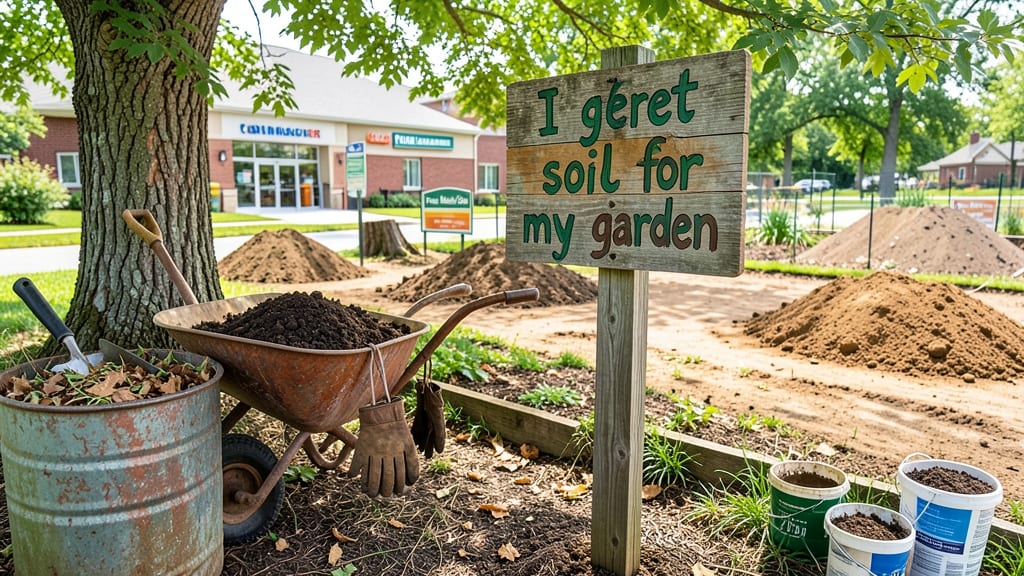
To get free soil for your garden, check local construction sites for excess fill dirt, ask nearby landscapers or tree services for discarded topsoil, or join community gardening groups where members often share compost and amended soil. Always verify legality before removing materials from public or private property.
Finding free soil for gardening is easier than you might think—many local sources overlook their excess materials.
Construction sites often have piles of clean fill dirt perfect for gardens, while landscapers and tree services frequently discard nutrient-rich topsoil. 🌱 Community gardens and composting groups also provide opportunities to trade or share soil, especially if you're willing to help with maintenance in exchange.
The key is asking politely and checking local regulations first to avoid any legal issues.
Before taking soil from any source, test its quality by examining its texture and smell. Dark, crumbly soil with a mild earthy scent is ideal, while compacted or chemical-smelling soil may need composting first.
Bring a tarp, shovel, and gloves to collect and transport the soil efficiently—this shows respect for the property and makes the process smoother for everyone involved.
💡 In This Article
- Legal and Ethical Ways to Source Free Garden Soil
- Best Local Places to Find Free Soil for Gardening
Legal and ethical ways to source free garden soil
Before scooping up any soil, check your local laws—many cities have strict rules about removing materials from public or private property.
Construction sites, for example, may require permission from the contractor or property owner, and some states classify fill dirt as regulated waste, meaning you'll need a permit to transport it. Trespassing laws apply even if the soil is "free," so always approach property owners or site managers first.
A simple question like "Do you have any excess soil I could use for gardening?" often works, but bring proof of your garden (photos or a small sign) to show you're not reselling the soil.
Municipal landfills or roadside cuts sometimes offer free soil, but these sources often contain contaminants like asphalt, concrete, or road salt. Test the soil by squeezing a handful—if it crumbles easily and smells earthy (not chemical or burnt), it's likely safe.
Avoid soil near construction zones with visible debris or near industrial areas, as heavy metals or pollutants may be present. Always wear gloves and a mask when handling unknown soil to protect against potential hazards like mold or bacteria.
Ethics matter too—never take more than you need, and leave the area cleaner than you found it. If you're at a construction site, ask if they have a designated area for soil removal to avoid disrupting their work.
Some landscapers or tree services may even donate soil if you help with cleanup or offer to transport it for them. This mutual benefit approach not only builds goodwill but also ensures you're getting quality material without guilt.
Public parks or nature reserves almost never allow soil removal, but some community gardens or agricultural extensions offer free soil or compost in exchange for volunteer work. Check local gardening forums or Facebook groups—many gardeners share excess soil or trade it for plants.
Always disclose where you're taking the soil and how much, as transparency builds trust and reduces the risk of misunderstandings.
One legal gray area is roadside cuts—these are often filled with clean topsoil after roadwork, but removing it may violate local ordinances. Call your city's public works department to ask if they allow soil removal; some even have designated "free soil" piles for residents.
If unsure, start small—take a 5-gallon bucket of soil to test its quality before committing to larger quantities. This minimizes risk while giving you a chance to assess the soil's suitability for your garden.
Remember, soil quality varies widely. Construction fill dirt lacks nutrients and often compacts easily, while topsoil from landscapers may be enriched with compost or fertilizer. If you're unsure, mix the free soil with 20-30% compost to improve its structure and fertility.
This small investment can turn even the driest fill dirt into a productive garden bed over time.