
Neem Oil
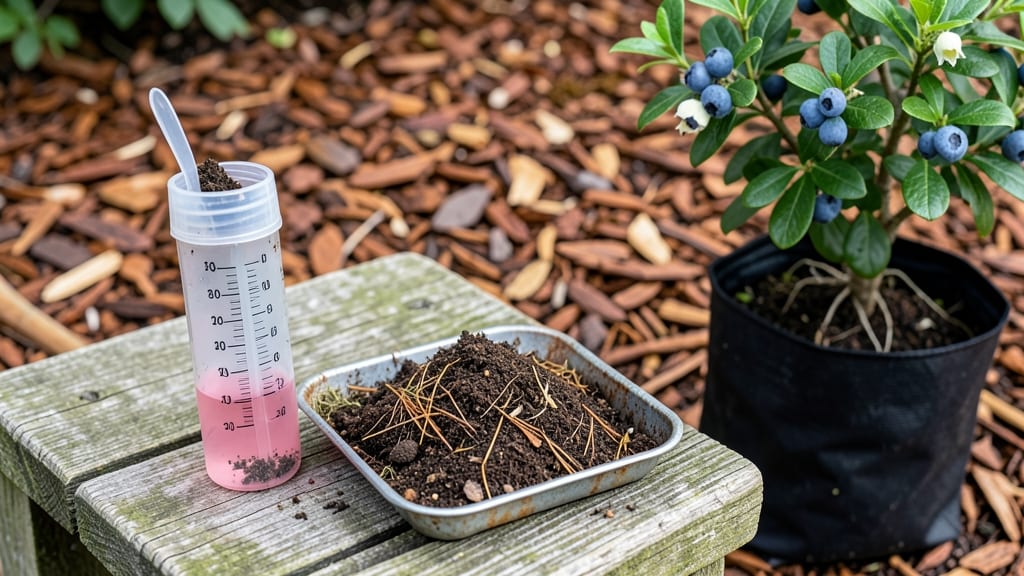
Blueberry soil needs to be acidic, well-draining, and rich in organic matter—otherwise, your bushes will fight to produce sweet, juicy 🫐 berries.
Picture this: You’ve planted your blueberries with care, but by harvest time, the berries are small, tart, and nowhere near as plump as the ones at the grocery store.
The culprit? Soil that’s either too alkaline or lacks the right texture. Without the proper mix, even the hardiest varieties struggle to thrive.
Getting the soil right starts with a pH between 4.5 and 5.5, a loamy texture that drains well, and amendments like peat moss or pine fines to keep it fertile.
But here’s the catch: most garden soil is naturally alkaline, so you’ll need to adjust it—whether you’re planting in containers or in the ground.
In this guide, I’ll walk you through testing your soil, the best amendments to use, and how to maintain that perfect acidic loam year after year—so you can finally enjoy a bountiful, flavorful harvest.
Why blueberries demand acidic loam soil (and how to test yours)
Blueberries are finicky about their growing conditions, and soil pH is the #1 factor most gardeners overlook. These berries thrive in acidic loam soil with a pH between 4.5 and 5.5.
When soil pH strays outside this range, blueberries struggle to absorb essential nutrients like iron, manganese, and phosphorus, leading to stunted growth and poor fruit production. Even if you’re giving your bushes plenty of water and sunlight, wrong soil chemistry will sabotage your harvest.
Loam soil provides the perfect balance—40% sand for drainage, 40% silt for nutrient retention, and 20% clay to hold moisture. But without the right acidity, blueberries won’t flourish.
For example, if your soil pH is 6.5 or higher, your bushes may produce small, tart berries or none at all. The good news? You can easily test and adjust your soil to create the ideal environment for blueberries.
⚠️ Common Mistake: Many gardeners assume their soil is acidic because it’s dark or rich in organic matter. However, organic material alone doesn’t guarantee acidity. For instance, composted leaves or manure can actually raise pH over time. Always test first!
Testing your soil’s pH is simpler than you think. The easiest DIY method uses vinegar and baking soda. Scoop a handful of moist soil into two containers: add white vinegar to one and baking soda solution to the other.
If the vinegar fizzes, your soil is alkaline (pH > 7). If the baking soda fizzes, your soil is acidic (pH < 7). For precise readings, use pH test strips (available at garden centers for ~$5). These strips give you a color-coded pH range in seconds.
Another budget-friendly tool is a soil probe, which measures pH electronically. I recommend the LaMotte Soil pH Tester—it’s accurate and reusable. If your soil tests above 6.0, you’ll need to lower the pH by adding elemental sulfur or peat moss.
For every 0.5 pH point below 6.0, mix in 1–2 pounds of sulfur per 100 square feet of soil. Work it into the top 6–12 inches and water thoroughly.
Over-amending is a common pitfall that can harm your blueberries. For example, adding too much sulfur at once can create a toxic environment for roots. Always follow the 1-pound-per-100-square-feet rule and retest your soil 2–3 months later to monitor changes.
If your soil is already acidic (pH 4.5–5.5) but lacks organic matter, focus on adding compost, pine needles, or oak leaves instead.
Blueberries also need consistent moisture to thrive. If your soil drains too quickly (like pure sand), roots can’t access nutrients. To fix this, mix in 20% compost and 10% pine bark fines to improve water retention.
On the flip side, heavy clay soil can suffocate roots and cause root rot. Amend it with sand or perlite to create a looser texture.
One of my favorite organic amendments for blueberries is coffee grounds. They’re slightly acidic and rich in nitrogen and phosphorus, which blueberries love. Simply sprinkle a 1-inch layer around your bushes and work it into the top inch of soil.
Just avoid overdoing it—too much coffee grounds can make the soil too acidic (pH < 4.5) and harm root health.
If you’re planting blueberries in containers
Step-by-step guide to creating the perfect blueberry soil mix
Blueberries are finicky about their soil—too alkaline, and they’ll reject nutrients, leaving you with bitter berries. The ideal mix combines acidic ingredients like peat moss and pine bark with organic matter for moisture retention.
Whether you’re planting in-ground or containers, the right ratios make all the difference. Let’s break it down into simple steps so your bushes thrive from the first harvest.
Start with a soil test to check your current pH (aim for 4.5–5.5). If your soil is too alkaline, you’ll need to lower the pH with sulfur or pine needles.
For containers, use a pre-mixed acidic potting soil as your base—this saves time and ensures consistency. In-ground plantings may need more heavy-duty amendments, but the principles stay the same.
Use a pH test kit or DIY vinegar/baking soda test. Blueberries need acidic soil (4.5–5.5). If your soil is too alkaline, add elemental sulfur (1/4 lb per 10 sq ft) or pine needles to lower pH.
Containers: Use 50% acidic potting mix (e.g., Fafard or Black Gold). In-ground: Start with 50% native soil + 50% organic matter (compost or leaf mold).
Mix in: 25% peat moss (holds moisture, lowers pH) 20% pine bark fines (improves drainage) 5% coarse sand (prevents compaction)
Stir in 10% compost or well-rotted oak leaves for nutrients. For a budget-friendly twist, add used coffee grounds (1 cup per plant) to lower pH naturally.
For potted blueberries, increase peat moss to 30% and add 10% perlite for extra drainage. Use a 5-gallon container minimum—smaller pots dry out too fast.
Top with 3–4 inches of pine needles or wood chips (avoid cedar—it’s toxic). This keeps soil moist and acidic while suppressing weeds.
Soil pH shifts over time. Retest every spring and re-amend if pH drifts above 5.5. Add sulfur or pine fines as needed to maintain acidity.
For budget-friendly swaps, try oak leaves instead of peat moss (they break down slowly) or crushed eggshells for calcium. Just avoid lime or wood ash—they’ll raise pH and ruin your harvest. If you’re planting in clay soil, mix in extra sand or compost to improve drainage.
Once your soil is mixed, plant your blueberries in early spring or fall when roots can establish before extreme temperatures. Water deeply after planting to settle the soil, and avoid fertilizing until new growth appears in 4–6 weeks.
With the right mix, your bushes will reward you with juicy, sweet berries in just a few seasons.
Pro tip: Label your soil mixes! Blueberry soil stays ideal for 3–4 years if maintained properly, but it’s easy to forget which amendments you used. A simple garden marker with the date and pH level saves headaches later.