
How To
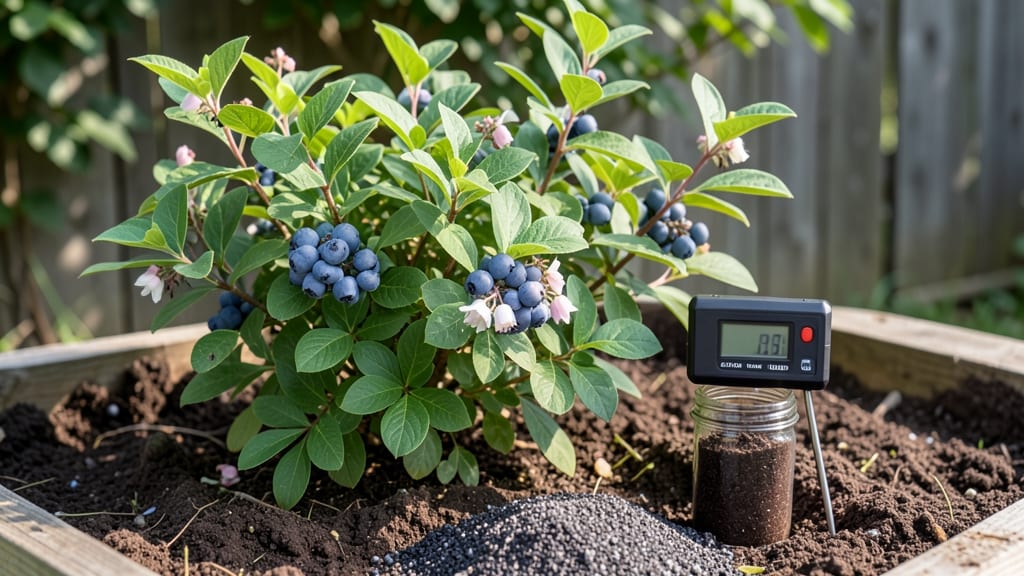
Soil is acidic when its pH level measures below 7.0, creating an environment ideal for acid-loving plants like blueberries, azaleas, and rhododendrons while restricting growth of vegetables such as tomatoes and beans. This acidity often develops from decomposed organic matter or mineral breakdown in regions with high rainfall or pine-dominated forests.
Soil acidity isn't just about pH numbers—it's a balancing act that determines which nutrients plants can access. 🌱 When soil becomes too acidic (below 5.5), essential minerals like phosphorus and calcium become locked away, while toxic metals such as aluminum may accumulate, harming root systems.
The good news? Many gardeners intentionally create acidic conditions for specific crops, like potatoes or blueberries, by amending soil with sulfur or pine bark. Testing your soil's pH with a simple kit (available for under $10) lets you make precise adjustments before planting season begins.
What's fascinating is how regional climates influence natural soil acidity. Areas with frequent rainfall, like the Pacific Northwest, often have more acidic soils due to leaching of alkaline minerals.
Meanwhile, limestone-rich regions tend toward neutral or alkaline pH. For gardeners in transitional zones, understanding these patterns helps explain why some plants thrive while others struggle—even with identical care.
💡 In This Article
- Understanding Soil pH: How Acidity Affects Plant Growth
- Identifying and Adjusting Acidic Soil in Your Garden
Understanding soil pH: how acidity affects plant growth
Soil acidity is fundamentally about hydrogen ion concentration, measured on the pH scale where each whole number represents a tenfold change in acidity. When soil pH drops below 7.0, hydrogen ions become more abundant, creating an acidic environment that dramatically alters nutrient chemistry.
At pH 5.5, aluminum and manganese—typically harmless in neutral soil—become soluble and toxic to plant roots, while essential nutrients like phosphorus and calcium bind tightly to soil particles, making them unavailable. 🌱 This is why acid-loving plants like blueberries (ideal pH 4.5-5.5) thrive where most vegetables would struggle.
The decomposition of organic matter plays a crucial role in acidification. As plant and animal residues break down, they release organic acids (like humic and fulvic acids) that lower pH over time.
In pine forests, for example, fallen needles contribute to naturally acidic soil (often 4.0-5.0), while regions with limestone bedrock maintain neutral or alkaline pH through calcium carbonate buffering.
The texture also matters—sandy soils acidify faster than clay because their larger particles can't hold as many nutrients, accelerating leaching during rainfall.
Microbial activity shifts dramatically with acidity. Beneficial bacteria and fungi that decompose organic matter prefer pH 6.0-7.0, while acid-tolerant microbes dominate in 4.0-5.5 ranges. This microbial imbalance can reduce nutrient cycling and increase disease risk.
For instance, clubroot disease in brassicas (like cabbage) flourishes in acidic soil because the pathogen thrives in low-pH conditions where beneficial microbes are suppressed. The root zone's health directly correlates with these microbial populations—acidic soils often show stunted root growth due to both chemical toxicity and microbial imbalances.
Visual clues in plants reveal soil acidity problems. Yellowing leaves with green veins (chlorosis) often signal iron deficiency caused by overly acidic conditions, while stunted growth or purple stems indicate phosphorus shortages.
Even soil color can hint at acidity—dark, peaty soils typically run 4.5-5.5, while lighter, chalky soils are often neutral or alkaline. For gardeners, recognizing these patterns helps diagnose issues before they become severe, allowing targeted soil amendments to restore balance.
One surprising factor is how temperature affects acidity. Warmer soils accelerate microbial activity, which can temporarily raise pH as organic acids break down. Conversely, cold winters slow decomposition, preserving acidity. This seasonal fluctuation explains why some plants perform differently in northern vs. southern climates—even with identical soil amendments.
Understanding these dynamics helps gardeners anticipate seasonal adjustments, like adding sulfur in early spring to maintain desired acidity levels for crops like azaleas.
Consider the case of cranberries, which require pH 4.0-5.5 to prevent bitter flavors and poor fruit set. Growers use sulfur to maintain this range, but over-application can harm beneficial microbes.
The delicate balance between acidity and microbial health shows why soil pH isn't just about numbers—it's a living ecosystem where chemistry and biology intersect. For gardeners, this means testing isn't just about pH readings; it's about understanding the entire soil food web that thrives—or suffers—in acidic conditions. 💫