How To
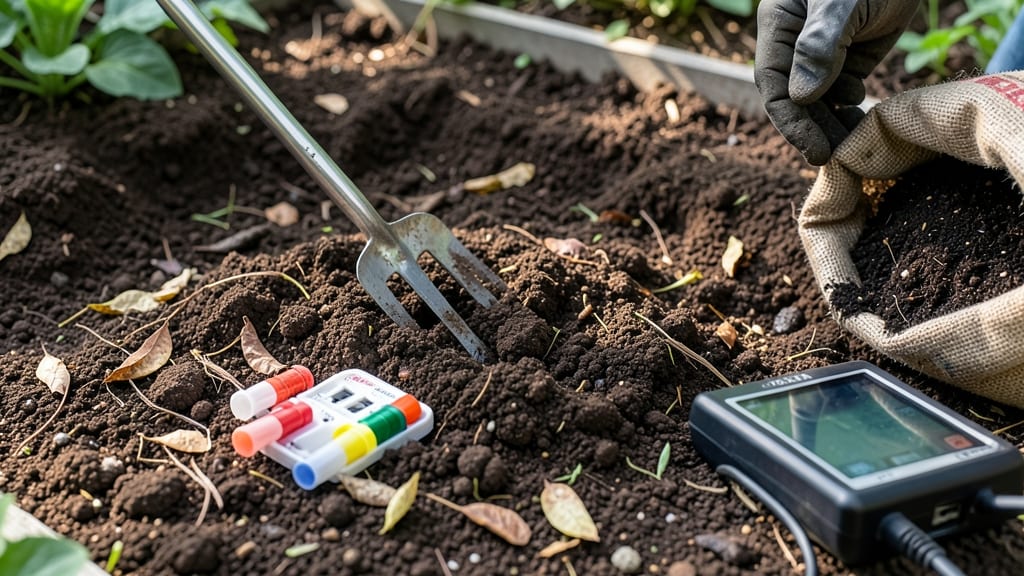
Topsoil images reveal the nutrient-rich, dark upper layer perfect for gardening, featuring textures from fine loam to coarse sand and containing decomposed plant matter. You can identify it by its darker color, crumbly structure, and ability to retain moisture better than lower soil layers.
Topsoil's dark brown or black color comes from its high organic content—think decomposed leaves, roots, and humus—which gives it that signature rich appearance. 🌱 Unlike subsoil, which is lighter and more compact, topsoil crumbles easily when dry and holds moisture like a sponge.
This makes it ideal for plant roots, which is why gardeners prioritize it for vegetable beds and lawns.
For visual identification, compare soil samples: topsoil will feel softer and often contains visible organic fragments, while subsoil appears more uniform and clay-like. Many garden centers sell pre-screened topsoil in bags, but bulk delivery offers better value for large projects.
💡 In This Article
- Key Characteristics of Topsoil in Visual Identification
- Best Topsoil Types for Gardens and Landscaping
Key characteristics of topsoil in visual identification
Topsoil's defining visual trait is its dark brown to black color, a direct result of humus—the partially decomposed organic matter that gives it a rich, almost velvety appearance. This layer typically measures 2 to 8 inches deep, though depth varies by climate and ecosystem.
Under a magnifying glass, you’ll often spot visible organic fragments like leaf litter, twigs, or even tiny root strands, which distinguish it from sterile subsoil. The contrast is striking when compared to subsoil, which appears lighter tan or reddish-brown and lacks these organic inclusions.
The texture of topsoil is another dead giveaway: it crumbles easily between your fingers when dry, forming small aggregates (soil clods) rather than breaking into fine powder like clay. This crumb structure is ideal for root penetration and water infiltration.
When wet, topsoil holds moisture like a sponge—drop a few water droplets on it, and it absorbs quickly without forming puddles, unlike clay-heavy subsoil. The moisture retention is a direct function of its porosity, which averages 40-60% air space in healthy topsoil, compared to just 10-20% in compacted subsoil.
Scientifically, this organic richness comes from microorganisms like bacteria and fungi breaking down plant matter into humus, a process that can take decades to centuries. The humus content—typically 5-10% by weight—acts as a nutrient reservoir, releasing nitrogen, phosphorus, and potassium gradually to feed plants.
This is why topsoil often smells earthy and slightly sweet, especially after rain, while subsoil has a more mineral, sterile aroma. For gardeners, this means topsoil supports faster seed germination and healthier root systems because of its balanced nutrient profile.
To test topsoil visually, dig a small trench and compare layers: the top 2-3 inches should be noticeably darker and softer. Run your fingers through it—if it feels slightly gritty with small organic bits, that’s your topsoil.
For a quick moisture test, squeeze a handful: topsoil will hold its shape when damp but still crumble when dry, whereas clay subsoil stays sticky and plastic-like even when dry.
This tactile difference is crucial for selecting the right soil for your garden—loamy topsoil, for example, is ideal for vegetables because of its balanced texture and nutrient density.
One common mistake is confusing topsoil with compost. While both are rich in organics, topsoil contains mineral particles (sand, silt, clay) that give it structure, whereas compost is nearly pure organic matter.
Topsoil’s pH typically ranges from 6.0 to 7.5, making it slightly acidic to neutral—perfect for most plants. If you’re sourcing topsoil, look for pre-screened bags labeled for gardening, as construction-grade topsoil may contain rocks or debris that disrupt plant growth.
For large projects, bulk delivery ensures consistent quality and cost savings.
For a hands-on exercise, try this: collect three soil samples—one from the surface, one from 6 inches deep, and one from 12 inches down. Spread them out and compare their color, texture, and moisture absorption.
The surface sample will likely be the darkest and most crumbly, proving why it’s the gold standard for gardening. 🌱