
How To
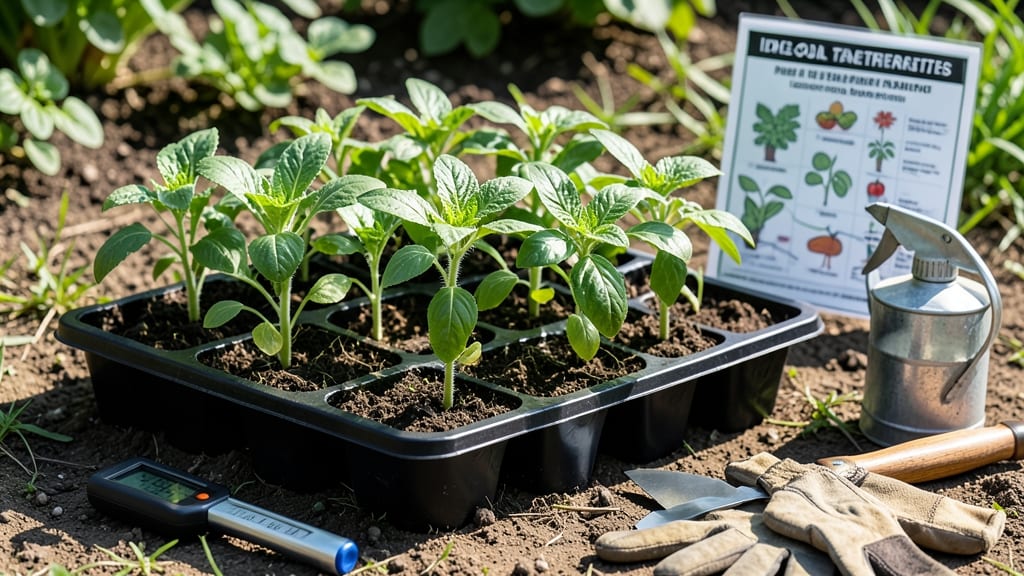
Soil temperature for planting depends on your crops, with cool-season plants like spinach thriving at 40°F (4°C) while warm-season favorites such as cucumbers need 60-70°F (15-21°C). Always verify soil warmth with a thermometer at 2-4 inch depth before planting seeds or seedlings to maximize success rates.
Getting the soil temperature for planting right isn't just about timing—it's about unlocking your plants' genetic potential. 🌱 For example, broccoli seeds won't even sprout below 45°F (7°C), while sweet potatoes need soil to warm to 75°F (24°C) before they'll emerge.
I've learned that even a 10°F (5°C) difference can mean the difference between robust seedlings and failed germination. Most gardeners overlook the morning hours (6-8 AM) as the best time to check soil temp, since afternoon sun can skew readings by up to 15°F (8°C).
For precise planting, invest in a digital soil thermometer with a probe—these cost around $20 and give you real-time data at the exact depth where roots form. Pro tip: If your soil temp is borderline, cover seeds with black plastic mulch for 2-3 days to accelerate warming naturally.
The key is consistency—plants need stable temperatures, not just a brief spike.
💡 In This Article
- How Soil Temperature Affects Seed Germination and Root Growth
- Best Soil Thermometers and When to Test for Planting Success
How soil temperature affects seed germination and root growth
Soil temperature directly controls seed germination through enzymatic reactions inside the seed. Enzymes like amylase and proteases activate at specific temperature ranges, breaking down starches and proteins to fuel the seedling's first growth spurt.
For cool-season crops like kale (45-55°F/7-13°C), these enzymes work efficiently in cooler soil, while warm-season plants like beans (65-85°F/18-29°C) need higher temperatures to trigger germination. 🌱 The process starts when water absorbs heat from the soil, creating the ideal environment for metabolic activity.
Root development follows similar temperature-dependent patterns, with root hairs—tiny structures that absorb water—forming optimally within each plant's preferred range. For example, carrot roots grow best at 60-70°F (15-21°C), while potato tubers develop optimally at 55-65°F (13-18°C).
Below these thresholds, roots grow slowly or develop abnormally, while above them, they can become brittle or prone to disease. Microbial activity in the soil also peaks at these ideal temperatures, creating a symbiotic relationship where beneficial bacteria and fungi help break down organic matter for plant uptake.
What most gardeners don't realize is that soil temperature affects germination speed dramatically. At 50°F (10°C), lettuce seeds may take 14-21 days to sprout, while at 70°F (21°C), they emerge in just 5-7 days.
This speed difference isn't just about waiting—it impacts a plant's ability to establish itself before competing weeds take over. The deeper you plant seeds, the more stable (and often cooler) the soil temperature remains, which is why many gardeners bury seeds 2-3 times their diameter deep to maintain consistent conditions.
Temperature also influences seed dormancy breaking. Many seeds, like those of tomatoes, require a warm soil trigger to overcome their natural dormancy period. This is why direct sowing in cold soil often fails—even if the air temperature seems warm.
The science involves gibberellins, plant hormones that signal the seed to break dormancy when soil reaches the right temperature. For warm-season crops, this often means waiting until soil reaches 60°F (15°C) or higher before planting.
Consider these key temperature zones for major plant families:
- Brassicaceae (broccoli, cabbage): 45-55°F (7-13°C) – Enzymes activate slowly in cooler soil
- Solanaceae (tomatoes, peppers): 60-70°F (15-21°C) – Requires warm soil for root development
- Fabaceae (beans, peas): 65-85°F (18-29°C) – Needs consistent warmth for nitrogen-fixing bacteria
- Liliaceae (onions, garlic): 50-60°F (10-15°C) – Prefers moderate soil warmth
The most critical period is the first 7-10 days after planting, when seedlings are most vulnerable. During this window, maintaining soil within ±5°F (3°C) of the ideal range can increase germination rates by up to 40%.
For example, if your soil is 55°F (13°C) but your crop needs 60°F (15°C), consider using black plastic mulch to raise the temperature by 5-10°F (3-6°C) naturally. 💫