
How To
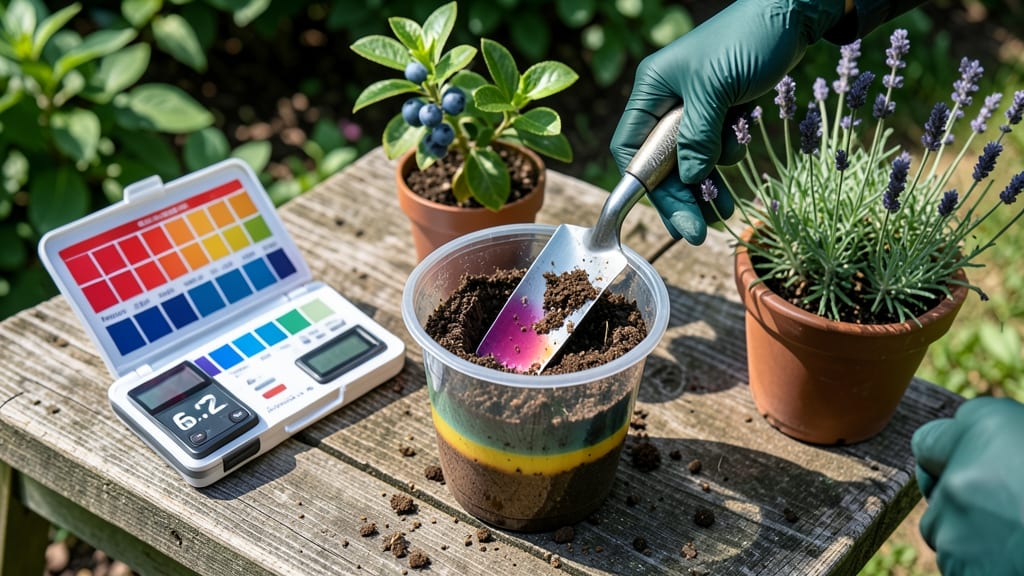
The ideal soil pH range for most plants falls between 6.0 and 7.0, creating slightly acidic to neutral conditions that support nutrient uptake. Acid-loving plants like blueberries thrive at 4.5–5.5, while alkaline-tolerant crops like asparagus prefer 7.0–8.0.
The soil pH range you choose directly impacts which nutrients your plants can absorb.
For example, phosphorus becomes available at pH 6.0–7.0, while iron locks up in alkaline soil above 7.5, causing yellowing leaves even when soil looks fertile. 🌱 I’ve seen gardens where adding elemental sulfur lowered pH from 8.0 to 6.5 in just 3 months, transforming struggling tomatoes into prolific producers.
Testing is the first step—home kits with color charts work for most gardeners, but for precision, a digital meter gives exact readings.
Once you know your soil’s current pH, adjustments are straightforward: spread pelletized lime for acidity (wait 2–3 months for full effect) or elemental sulfur for alkalinity (works faster, in 1–2 months). The key is patience and regular retesting, since organic matter like compost naturally buffers pH over time.
💡 In This Article
- How Soil pH Affects Plant Nutrient Availability
- Step-by-Step Guide to Testing and Adjusting Soil pH
How soil pH affects plant nutrient availability
Soil pH determines how hydrogen ions (H+) interact with nutrient molecules, directly controlling whether roots can absorb essential elements. At a pH of 6.0–7.0, most nutrients—like phosphorus, potassium, and calcium—exist in soluble forms that plant roots can easily uptake.
For instance, phosphorus availability peaks at this range, which is why many vegetables (tomatoes, peppers) thrive here. When pH drops below 5.5, aluminum and manganese become toxic, while above 7.5, iron and zinc lock into insoluble forms, causing yellowing leaves even if soil appears rich. 🌱
The chemistry behind this is fascinating: hydrogen ions compete with nutrient molecules for binding sites on soil particles. At low pH (acidic), H+ ions flood the soil, displacing nutrients like calcium and magnesium, making them unavailable.
Conversely, high pH (alkaline) creates hydroxide ions (OH-) that bind nutrients like iron and zinc into compounds roots can’t access. This is why blueberries, which need pH 4.5–5.5, develop iron chlorosis (yellow leaves) in neutral soil—their roots simply can’t extract enough iron. The solution?
Organic matter like peat moss or pine needles lowers pH naturally over time.
What’s often overlooked is how pH affects microbial activity. Beneficial soil bacteria and fungi thrive in slightly acidic to neutral conditions (6.0–7.0), breaking down organic matter into plant-available forms. In alkaline soils, these microbes struggle, reducing nutrient cycling.
For example, nitrogen-fixing bacteria (like those in legume roots) work best at pH 6.0–7.0, which is why clover and peas often fail in high-pH gardens. The fix? Sulfur amendments or composted green waste to acidify soil gradually.
Extreme pH levels also stunt root growth. At pH 4.0 or below, hydrogen ions damage root cell membranes, while above 8.0, sodium buildup can occur, further inhibiting water and nutrient uptake.
This is why asparagus, which tolerates 7.0–8.0, often struggles in acidic soils—its roots simply can’t expand properly. The takeaway? Most gardeners should aim for 6.0–7.0, but always match pH to the plants you’re growing. 💡
Here’s a quick reference for nutrient availability by pH:
- pH 5.0–6.0: Ideal for iron, manganese, and sulfur uptake (great for acid-lovers like azaleas). Phosphorus starts becoming less available.
- pH 6.0–7.0: Optimal for phosphorus, potassium, calcium, and magnesium (perfect for most vegetables and fruits).
- pH 7.0–8.0: Better for boron and molybdenum (suitable for asparagus and some ornamentals). Iron and zinc become scarce.
Pro tip: If your soil tests at 7.5+ and you’re growing acid-loving plants, consider container gardening with a peat moss/perlite mix to create the right micro-environment. This is how professional growers keep blueberries thriving in alkaline regions! 🌿