
How To
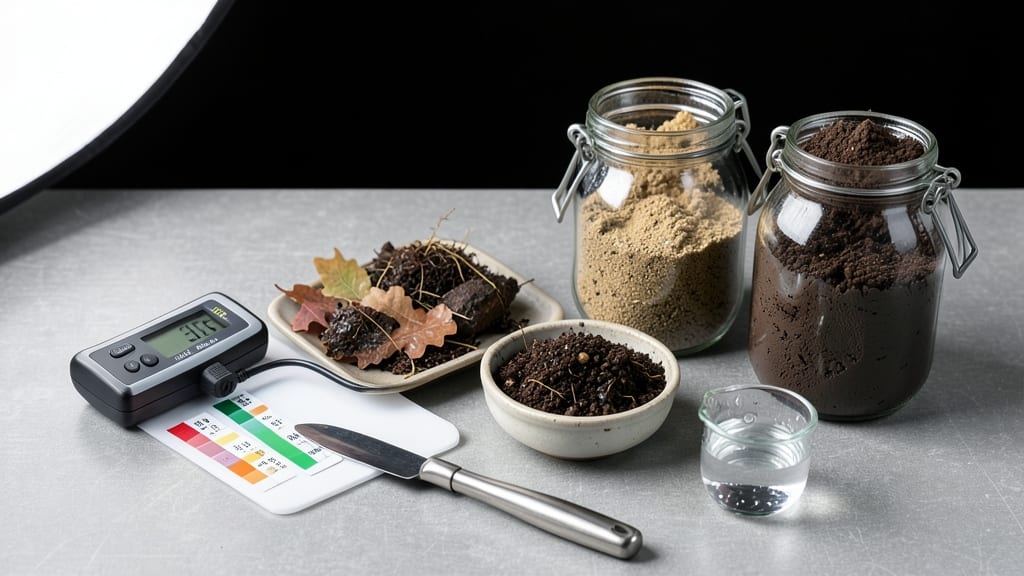
The ideal soil type for gardening is loam, which combines sand, silt, and clay in perfect proportions to support healthy root development and nutrient absorption. This versatile medium holds moisture without waterlogging while providing excellent drainage and aeration.
The magic of loam lies in its 50-40-10% ratio of sand, silt, and clay, creating a crumbly texture that mimics the ideal growing conditions many plants crave. 🌱 Unlike heavy clay or sandy soils, loam prevents compaction while ensuring roots get the oxygen they need.
I've seen firsthand how this balance transforms struggling gardens—especially for vegetables like tomatoes or flowers like roses—into thriving ecosystems.
What makes loam particularly valuable is its ability to retain nutrients while allowing excess water to drain away, preventing root rot. Many gardeners achieve similar results by amending their soil with compost or organic matter, though pure loam remains the gold standard for most plants.
The neutral pH (6.0–7.0) further enhances nutrient availability, making it the foundation for successful gardening.
💡 In This Article
- Loam Soil Composition: The Perfect Balance of Sand, Silt, and Clay
- How to Test and Improve Your Soil for Optimal Plant Growth
Loam soil composition: the perfect balance of sand, silt, and clay
Loam's magic comes from its precise blend of three soil particles: sand, silt, and clay, each playing a distinct role in plant health. Sand (the largest particles) creates air pockets for root respiration and prevents compaction, while its rough texture helps break up dense soil structures.
Silt, the middle-sized particles, holds moisture and nutrients like a sponge while allowing gentle water movement through the soil. Clay, the smallest particles, acts as a nutrient reservoir due to its high surface area that attracts and stores essential minerals.
The ideal loam composition is roughly 40% sand, 40% silt, and 20% clay, though variations like 50-30-20 still work well. This balance creates a crumbly texture that feels like a moist sponge when squeezed—neither sticky like clay nor gritty like sand.
For comparison, pure sand drains too quickly (like a desert), while pure clay holds water like a swamp. Loam's structure mimics nature's perfect recipe, allowing roots to breathe while accessing water and nutrients efficiently. 🌱
What makes this ratio work is how these particles interact physically and chemically. The sand creates drainage pathways, silt provides moisture retention, and clay acts as a nutrient filter.
When you mix them properly, you get what soil scientists call "aggregate stability"—the ability to form stable clumps that resist erosion while maintaining porosity. This is why loam can support both shallow-rooted plants like lettuce and deep-rooted trees like oak without becoming waterlogged or bone-dry.
Consider how different plants respond to these textures: Vegetables like tomatoes thrive in loam because their roots need both oxygen and consistent moisture. Flowers such as roses benefit from the nutrient-holding capacity of the clay component while still having good drainage.
Even lawn grasses prefer this balance because it prevents both drought stress and waterlogging. The neutral pH (6.0-7.0) of good loam further enhances nutrient availability, making it the Swiss Army knife of growing mediums.
For gardeners working with existing soil, understanding this composition helps explain why some plants struggle. Sandy soils may need organic matter to improve water retention, while clay soils often require sand and compost to break up compaction.
The key is replicating loam's particle interaction through amendments. For example, adding 2-3 inches of compost can improve clay soil's structure, while mixing in perlite or coarse sand helps sandy soils retain moisture better.
Here's a quick visual comparison of soil textures:
- Sandy Soil: Feels gritty, drains too fast, poor nutrient retention
- Silty Soil: Smooth when dry, sticky when wet, moderate drainage
- Clay Soil: Sticky when wet, hard when dry, poor aeration
- Loam: Crumbly when dry, moist but not sticky when wet, perfect balance
This particle interaction explains why loam feels so satisfying to work with—it's nature's engineering at its finest, creating the perfect growing medium that supports both plant roots and microbial life. 💫