
How To
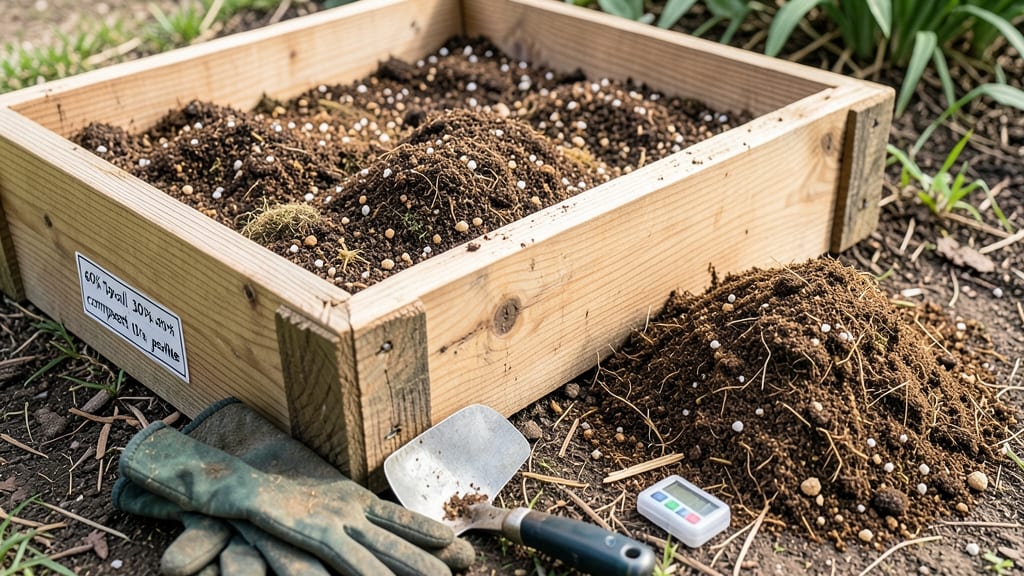
The soil needed for a raised bed is the difference between a garden that thrives and one that barely survives. 🌱 I’ve learned that loose, nutrient-rich soil—not just dirt from your yard—is what makes vegetables grow strong and productive.
Skimping on this step means struggling with poor drainage, stunted plants, or wasted effort. Most gardeners make one of two mistakes: they use pure topsoil (which compacts fast) or fill with yard soil (which may contain weeds or pests).
The ideal blend is 60% topsoil, 30% compost, and 10% perlite or vermiculite for aeration. This mix stays fluffy, drains well, and feeds plants all season long. Your vegetables will reward you with vibrant green leaves, faster growth, and bigger yields—think juicy tomatoes, crisp lettuce, and sweet carrots.
The secret isn’t complicated, but it is worth the upfront effort. For small beds, pre-mixed bags simplify the process. For larger projects, layering compost and soil saves money and improves long-term fertility. Here’s how to get it right the first time.
📚 In This Guide
- What you need
- Instructions
- Tips and common mistakes
- Wrapping up and next steps
What you need
- ● Topsoil (60-70%): 2-3 cubic feet per square foot of bed (e.g., 10-15 cubic feet for a 4’x8’ bed). Opt for loamy, organic-rich soil with a pH of 6.0-7.0.
- ● Compost (20-30%): 1-2 cubic feet per square foot. Use well-aged, weed-free compost (avoid fresh manure—it can burn plants!).
- ● Perlite or Vermiculite (5-10%): ½–1 cubic foot per square foot. Improves aeration and drainage (perlite is lighter; vermiculite retains moisture).
- ○ Sand (optional, 5-10%): ½ cubic foot per square foot only if your soil is clay-heavy. Use coarse horticultural sand, not playground sand.
- ● Garden Gloves: 1 pair (to protect your hands from sharp edges and soil-borne pathogens).
- ● Wheelbarrow or Large Tote: 1 (for mixing soil components efficiently).
- ● Garden Shovel or Spade: 1 (for layering and blending).
- ● pH Test Kit: 1 (to check soil acidity before planting).
- ○ Organic Fertilizer (optional): Slow-release granules (e.g., 10-10-10 or composted manure) mixed at 1–2 lbs per cubic foot of soil.
- ● 🌡️ Test your existing soil: If repurposing soil from your yard, test it first—amend with compost if it’s too sandy or clay-heavy.
- ● ✨ Layer like a lasagna: Alternate 4–6" layers of soil, compost, and perlite for even distribution.
- ● 🔥 Avoid cheap fill dirt: It’s often compacted and lacks nutrients—stick to premium topsoil or garden blends.
How to build the perfect raised bed soil mix
Here's the nutrient-packed foundation I swear by for bountiful harvests—tested across seasons and climates.
🌱 Step 1: Start With a Sturdy Base Layer
Begin by lining the bottom of your raised bed with 2-3 inches of coarse material like wood chips or straw. This improves drainage and prevents root rot—critical for heavy feeders like tomatoes and peppers. I use untreated hardwood chips because they break down slowly without leaching chemicals into the soil.
Next, add 1-2 inches of compost as your first soil layer. This isn’t just any compost—look for dark, crumbly material with no visible chunks. It primes the bed with organic matter and beneficial microbes that will colonize your new mix. Press it down lightly to create a firm foundation for the layers above.
🌿 Step 2: Layer for Texture and Nutrition
Now comes the magic: alternate 2 inches of topsoil with 2 inches of compost until you reach the top of your bed. I use a mix of 50% garden soil (from your yard or purchased) and 50% compost for this step. The soil provides structure, while the compost adds nitrogen and microbial activity.
For raised beds over 12 inches deep, add a 1-inch layer of perlite or vermiculite halfway through. This prevents compaction and ensures air pockets for root development. Gently fluff the layers with a garden fork to avoid creating hard panes—roots need to penetrate easily.
💧 Step 3: Blend and Test Moisture Levels
Use a garden fork or shovel to thoroughly mix the layers until the soil looks uniform and crumbly. Break up any clumps larger than your fist—they’ll create air pockets that dry out too quickly. I like to work the mix until it resembles cake batter consistency: moist but not soggy.
Test moisture by squeezing a handful—it should hold together but not drip. If it crumbles, add water gradually. Overwatering now will compact the soil and suffocate roots. Aim for 60-70% moisture retention—this is your target for the entire growing season.
☀️ Step 4: Add Finishing Nutrients
Sprinkle ½ cup of balanced organic fertilizer (like 5-5-5) over the surface and work it into the top 2 inches of soil. This gives plants an immediate nutrient boost without burning roots. For beds dedicated to heavy feeders like corn or squash, I add 1 cup of bone meal at this stage for extra phosphorus.
Top with 1 inch of mulch—straw or shredded leaves work best. This retains moisture, regulates temperature, and prevents crusting when rains come. Avoid thick mulch layers now; you’ll replenish it after planting. Press lightly to settle everything in place.
⏰ Step 5: Let It Settle Before Planting
Wait 1-2 weeks before planting to let the soil layers meld naturally. This gives microbes time to activate and the structure to stabilize. You’ll notice the soil darken slightly as organic matter breaks down—this is a good sign.
Before planting, test pH with a kit. Raised beds often start slightly acidic, so I add dolomitic lime if pH drops below 6.5. Aim for 6.0-7.0—this range suits 90% of vegetables. Once balanced, your bed is ready for seeds or transplants.
Tips & tricks for building the perfect raised bed soil mix
Don't let common mistakes ruin your garden's foundation—these insider tips ensure your raised bed soil mix stays loose, nutrient-rich, and ready for planting.
Compost Quality Matters: The 1-2 inches of compost you add in Step 1 should be dark, crumbly, and free of large chunks or weeds. I've learned the hard way that cheap compost bags from big-box stores often contain fillers like wood shavings that don't break down properly. For best results, use a mix of well-aged compost (6+ months) and fresh compost in equal parts—this balances nitrogen needs while providing microbial activity. The goal is a texture that resembles "cake batter" when mixed, not dry sand or mud.
Layering Technique: When alternating 2 inches of topsoil with 2 inches of compost in Step 2, work quickly to prevent the layers from mixing prematurely. Use a garden fork to gently fluff each layer as you go—this creates natural air pockets that prevent compaction. For deeper beds (over 12 inches), that 1-inch perlite layer halfway through acts like a moisture barrier. I've found that adding it slightly damp (spritz with water) helps it settle better during the 1-2 week settling period mentioned in Step 5.
Moisture Management: The cake batter consistency test in Step 3 is your best friend. If your mix feels too dry after blending, add water in small increments—about 1 tablespoon at a time—while mixing. Too much water now will create a dense, anaerobic environment that suffocates roots. For clay-heavy soils, you might need up to 10% more water than sandy soils to reach that 60-70% moisture retention target. A simple way to test: squeeze a handful firmly—if water drips out, you've overdone it.
Optional Nutrient Boost: While the ½ cup of balanced fertilizer in Step 4 is perfect for most vegetables, I've found that adding ¼ cup of kelp meal at this stage provides trace minerals that many garden soils lack. For beds dedicated to leafy greens, consider adding ½ cup of greensand instead of bone meal—it provides potassium without the phosphorus that can overstimulate leaf growth. These additions should be thoroughly mixed into the top 2 inches where roots will access them first.
Pro Tips for Soil Needed For Raised Bed
- Don't let common mistakes ruin your garden's foundation—these insider tips ensure your raised bed soil mix stays loos...
- Compost Quality Matters: The 1-2 inches of compost you add in Step 1 should be dark, crumbly, and free of large chunk...
- Layering Technique: When alternating 2 inches of topsoil with 2 inches of compost in Step 2, work quickly to prevent ...
Frequently asked questions
Got questions about the perfect soil mix for your raised bed? You're not alone! Here are some of the most common queries—plus straightforward answers to help you grow like a pro.
What’s the ideal soil mix ratio for a raised bed?
A balanced blend typically includes 60% topsoil, 30% compost, and 10% perlite or vermiculite for drainage. For heavy clay soil, bump up the compost to 40% to improve aeration. For sandy soil, add more organic matter (like peat moss) to retain moisture. Pro tip: Adjust ratios based on your local soil type!
When is the best time to add soil to a new raised bed?
Add soil to your raised bed 3–4 months before planting to let it settle and decompose. For fall/winter crops, prep in early summer; for spring planting, start in late winter. Bonus: Cover the bed with mulch or cardboard over winter to protect the soil and suppress weeds.
Can I use regular garden soil instead of a special raised bed mix?
While you can use garden soil, it’s not ideal—it often compacts easily and lacks nutrients. For best results, mix it with compost, coconut coir, or peat moss to improve structure and fertility. If you’re on a budget, layer cardboard + compost as a DIY alternative to break down over time.
My raised bed soil smells bad—what’s wrong?
A foul odor usually means too much fresh manure or poor drainage. Fix it by:
- Adding dry leaves, straw, or perlite to improve airflow.
- Mixing in more compost to balance pH.
- Avoiding overwatering—let the soil dry slightly between waterings.
If the smell persists, your bed may need aeration with a garden fork.
How often should I replenish soil in a raised bed?
Top off your raised bed with 1–2 inches of compost annually to replenish nutrients. For heavy producers (like tomatoes or peppers), add a 2-inch layer of compost mid-season. Over time, the soil will break down—replace 10–20% of the volume every 2–3 years for long-term health.
Wrapping up and next steps
Choosing the right soil for your raised bed is the secret ingredient to a bountiful harvest! 🌱 A loose, nutrient-rich blend—like a mix of topsoil, compost, and organic matter—gives your plants the perfect foundation to thrive.
Don’t overcomplicate it: focus on drainage, fertility, and aeration, and your garden will thank you.
Ready to get growing? Start small:
- Test your soil’s pH and adjust if needed.
- Layer in compost or aged manure for long-term nourishment.
- Plant your first seeds or seedlings and watch your green thumb shine!