
How To
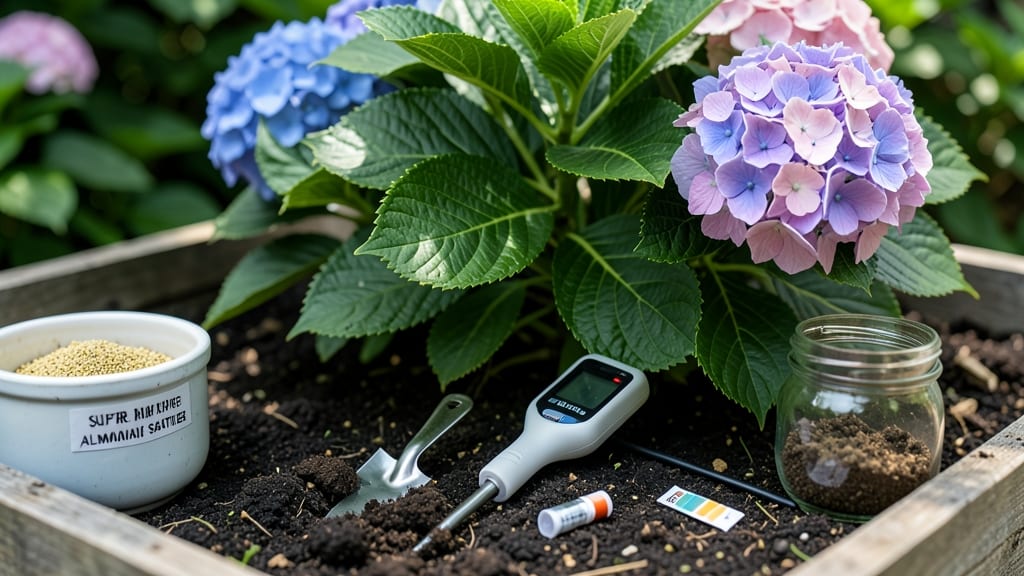
How to test hydrangea soil acidity in 3 minutes (simple DIY methods)
Your hydrangeas might be begging for the right soil acidity—but how do you know if your garden soil is too alkaline or not acidic enough? The answer lies in a quick pH test, and you don’t need a fancy lab to get it right.
Whether you’re aiming for vibrant blue blooms or soft pink flowers, understanding your soil’s pH is the first step. Most gardeners overlook this, but a simple test can transform your hydrangeas from lackluster to show-stopping in just one growing season.
Hydrangeas thrive when their soil pH falls between 5.2 and 6.2, but many garden soils naturally lean alkaline (higher pH). Without testing, you might be adding amendments blindly—wasting time and money. The good news?
You can test your soil in under 3 minutes using a digital meter, test kit, or even household items. Let’s dive into the easiest methods to get accurate results fast.
- Digital pH meter ($10–$20) – Fastest and most accurate (e.g., Bluelab Soil pH Meter).
- Test kit ($5–$15) – Like Luster Leaf or MySoil (includes color chart).
- Household items – Vinegar + baking soda (free) for a quick acidity check.
- Gloves – Optional but recommended to keep hands clean.
- Small trowel or spoon – To collect soil samples.
- Dig 4–6 inches deep near your hydrangea’s roots (avoid surface mulch).
- Take 3–5 samples from different spots around the plant for accuracy.
- Mix samples in a clean bucket to create a representative soil blend.
- Remove large debris like rocks or roots before testing.
- Moisten the soil slightly with distilled water (not tap water).
- Insert the meter’s probe into the soil and wait 10–15 seconds for a reading.
- Record the pH value (e.g., 6.8 = neutral, <5.5 = acidic, >7.0 = alkaline).
- Pro Tip: Calibrate your meter with pH 4.0 and 7.0 solutions for accuracy.
- Follow kit instructions to mix soil with distilled water in a test tube.
- Add the provided reagent (usually 2–3 drops) and shake well.
- Compare the color to the kit’s chart after 1–2 minutes.
- Most kits include a pH range guide (e.g., blue = acidic, yellow = alkaline).
- Place 1 tbsp soil in a small bowl and add ½ cup vinegar.
- If it fizzes vigorously, your soil is alkaline (pH > 7.0).
- In a separate bowl, mix 1 tbsp soil with ½ cup baking soda + distilled water.
- If it fizzes, your soil is acidic (pH < 5.5). No fizz? It’s likely neutral.
- Note: This is a rough estimate—use a meter or kit for precision.
- pH 5.2–5.5: Ideal for blue hydrangeas (e.g., 'Nikko Blue').
- pH 6.0–6.2: Perfect for pink hydrangeas (e.g., 'Annabelle').
- pH <5.0: Too acidic—add lime to raise pH gradually.
- pH >6.5: Too alkaline—amend with sulfur, peat moss, or pine needles.
- Wait 4–6 weeks after adding amendments before retesting.
- pH changes take time—don’t overdo it! Adjust in small increments.
- Keep a garden journal to track pH and bloom colors each season.
Now that you’ve got your soil pH reading, you’re one step closer to hydrangeas that steal the show. But here’s the kicker: blue vs. pink blooms depend on more than just pH—it’s also about the hydrangea variety and aluminum levels in your soil.
For example, 'Endless Summer' hydrangeas can produce both colors depending on pH, while 'Limelight' stays green unless you tweak the acidity just right. Next, we’ll break down how to adjust your soil naturally for those dreamy blooms—without breaking the bank.
Pro tip: If your soil tests neutral (pH 7.0), hydrangeas will still grow, but blooms may lack vibrancy. Aim for slightly acidic soil (5.2–6.2) to unlock the full color spectrum.
And remember—organic amendments like coffee grounds or pine needles work slower but are safer for your plants than chemical additives. Start small, test often, and watch your hydrangeas transform before your eyes!
🌸 Ready to adjust your soil? Grab your gloves and a trowel—your hydrangeas are about to thank you with blooms so stunning, your neighbors will ask for secrets! 🌿
Ideal hydrangea soil pH levels: blue vs. pink blooms explained
The color of your hydrangea blooms isn’t just genetics—it’s soil acidity at work! Blue blooms love acidic soil (pH 5.2–5.5), while pink thrives in slightly acidic to neutral soil (pH 6.0–6.2).
Without the right pH, your flowers might turn greenish or fail to bloom entirely. Let’s break down the science and how to adjust your soil naturally for those dreamy colors.
Hydrangeas use aluminum ions in acidic soil to produce blue pigments. When soil is less acidic, iron steps in, creating pink blooms. Some varieties, like Endless Summer, naturally produce revert flowers (both colors), while others like Nikko Blue stay true to their pH-dependent hues.
Knowing your hydrangea’s type helps you set the perfect pH target.
| Variety | Target pH | Bloom Color | Natural Soil Adjustment |
|---|---|---|---|
| Nikko Blue | 5.2–5.5 | Blue | Add sulfur or pine needles |
| Annabelle | 6.0–6.2 | White/Pink | Add lime or wood ash |
| Endless Summer | 5.2–6.2 | Pink/Blue Reverts | Test and adjust yearly |
| Limelight | 5.5–6.0 | Green/Pink | Use coffee grounds |
To adjust your soil, start with a simple pH test kit (available at garden centers for under $10).
If your soil is too alkaline (pH above 6.2), add elemental sulfur (1–2 pounds per 100 sq. ft.) or peat moss to lower pH. For soil that’s too acidic (below 5.2), sprinkle garden lime (1–2 cups per plant) or wood ash to raise pH. Work amendments into the top 6–12 inches of soil in early spring or fall.
For a quick fix, try coffee grounds (acidic) or crushed eggshells (alkaline). Mix 1–2 cups of grounds into the soil around your hydrangea, or scatter eggshells and till them in.
These organic options break down slowly, giving you gradual pH control. Always water thoroughly after amending to help the process along.
Retest your soil’s pH every 3–6 months during the growing season, especially if you’ve made adjustments. Hydrangeas are sensitive to sudden pH shifts, so small changes over time yield the best results. With the right soil acidity, your blooms will pop with color—no magic potions required!
Pro tip: Mulch with pine needles or oak leaves to maintain acidity naturally. These organic materials slowly release acids into the soil, keeping your hydrangeas happy and blooming beautifully year after year.