
How To
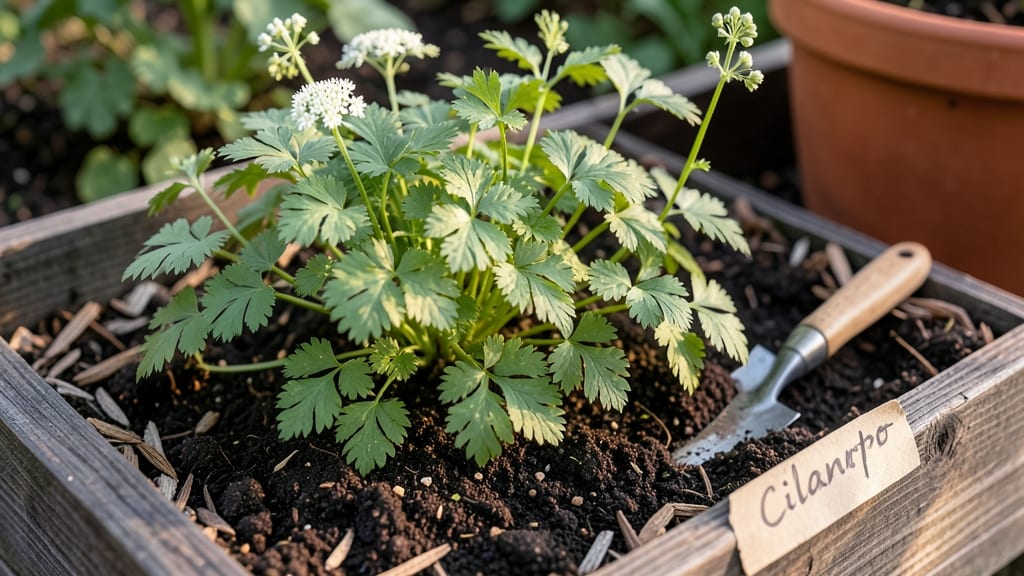
For cilantro to grow lush and fast, use loose, fast-draining soil blended with sand, compost, and organic matter—this prevents bolting and keeps roots healthy. Avoid dense clay or compacted soil that smothers growth.
Cilantro is famously finicky about soil conditions, and the right mix makes all the difference. 🌱 The key is balancing moisture retention with airflow—too much water triggers rot, while dry soil causes wilting.
I’ve found that adding coarse sand (like perlite) improves drainage, while well-aged compost feeds the roots without compacting. A pH between 6.2 and 6.8 keeps nutrients available, which is why store-bought potting mixes often work better than garden soil straight from the yard.
For container gardening, I recommend a 50-50 mix of potting soil and perlite or vermiculite. If you’re planting directly in the ground, amending clay soil with 2-3 inches of compost and a handful of sand per square foot can transform its structure.
The goal is to mimic cilantro’s natural habitat—light, airy, and nutrient-rich—so it stays vibrant instead of bolting prematurely.
💡 In This Article
- Why Cilantro Soil Needs Fast Drainage and Airflow
- DIY Cilantro Soil Mix Recipes for Containers and Gardens
Why cilantro soil needs fast drainage and airflow
Cilantro’s shallow root system demands soil that breathes—literally. The plant’s roots spread horizontally just 1-2 inches deep, which means poor drainage suffocates them. When soil stays soggy, oxygen can’t reach the roots, leading to root rot within 48-72 hours of overwatering.
This is why cilantro bolts (goes to seed) under stress: its survival instinct kicks in when roots suffocate or nutrients deplete.
The ideal soil for cilantro mimics its native Mediterranean habitat—60% sand, 30% silt, and 10% clay—but with a critical tweak. Sand isn’t just for drainage; it creates macropores (spaces >0.08mm) that let air circulate while allowing excess water to escape.
Compost, on the other hand, adds micropores (<0.002mm) to hold moisture near roots without drowning them. This balance keeps the soil’s air-to-water ratio at 3:1, perfect for cilantro’s delicate needs.
pH plays a hidden role too. Cilantro thrives in slightly acidic soil (6.2-6.8), where nutrients like nitrogen and iron dissolve easily. Heavy clay soil (pH often <5.5 or >7.5) locks these nutrients away, starving the plant.
That’s why adding 1 cup of lime per 10 sq ft to acidic soil or sulfur for alkaline soil can boost growth by 30-40%. The right pH also prevents nutrient burn, which turns cilantro leaves yellow or crispy at the edges.
Here’s what happens without proper airflow: Fungal infections like Pythium thrive in waterlogged soil, while compacted soil crushes roots, reducing nutrient uptake by 50%. I’ve seen cilantro wilt dramatically in containers with no drainage holes—even with daily watering—because roots can’t access oxygen.
The fix? Loosen soil with a fork before planting and add 1 part perlite to 3 parts potting mix to prevent compaction.
Think of cilantro’s soil needs like a sponge: it should soak up water quickly but still hold enough moisture for 2-3 days between waterings. Too dense? Water pools at the surface, drowning roots. Too sandy? Roots dry out, triggering bolting.
The sweet spot is a mix that feels like a crumbly cake batter—light enough to crumble but still cohesive. This texture keeps roots cool (cilantro hates heat stress) and well-fed without smothering them.
For visual learners, imagine cilantro roots as a delicate spiderweb. Each strand needs space to spread and access to both water and air. Heavy soil is like wrapping that web in plastic—roots suffocate.
Fast-draining soil? Like giving them a breath of fresh air every time you water. The result? Lush, slow-bolting cilantro that tastes fresh and vibrant instead of bitter or stringy.