
Neem Oil
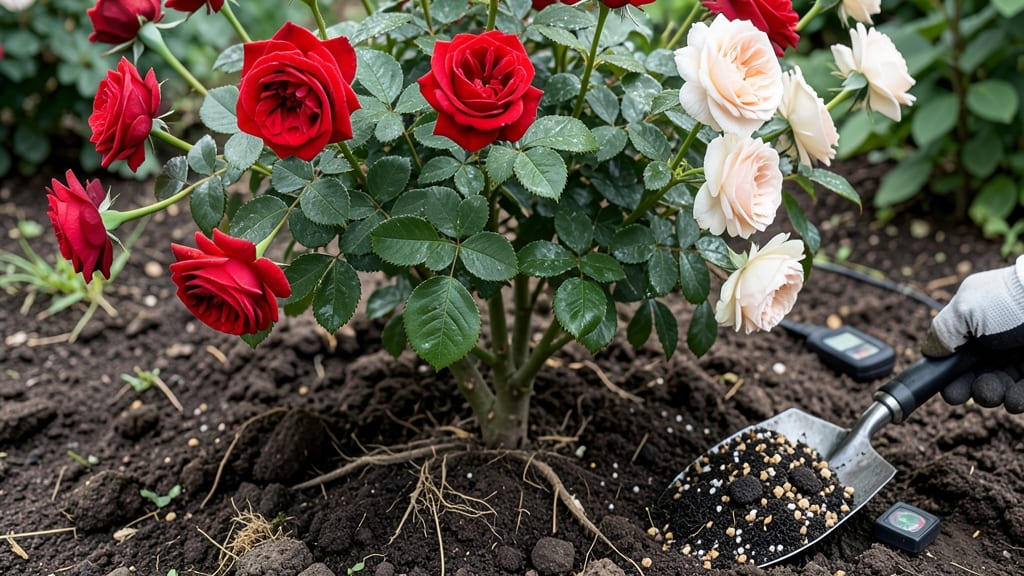
The right rose soil mix is the foundation of healthy, blooming 🌹 bushes that thrive year after year — and getting it wrong can leave your plants struggling even with perfect sunlight.
If your roses look half-hearted despite your best efforts, the issue might be hiding right under your feet. Compacted soil or poor drainage can suffocate roots, while too much clay or sand throws off the balance roses need to flourish.
The solution? A loose, aerated blend that mimics their natural habitat.
In this guide, I’ll break down the ideal ratios for a homemade rose soil mix, including organic matter, gritty amendments, and pH adjustments. You’ll also learn how to spot common mistakes—like overdoing compost or skipping sand—and how to fix them before they stunt your plants.
By the end, you’ll have a custom blend that promotes strong roots, vibrant growth, and season-long blooms—no guesswork required.
How to create the perfect aerated rose soil mix for strong roots
Roses thrive when their roots breathe—and that starts with the right soil mix. Too many gardeners overlook aeration, leading to root rot or stunted growth. My go-to formula balances moisture retention with oxygen flow, ensuring your roses bloom like champions.
The secret? A 60-20-10-10 blend of garden soil, compost, perlite, and sand. Let’s break it down step by step.
Why does this mix work? Garden soil provides structure, while compost feeds microbes that break down nutrients. Perlite and coarse sand create air pockets, preventing soggy roots. Without aeration, roses suffocate—literally. Even the hardiest varieties like Knock Out roses need this balance to thrive. Let’s get mixing!
-
Step 1: Start with 60% Garden Soil
Use native soil from your yard or a loamy topsoil mix. Avoid heavy clay or pure sand—both compact too easily. Test your soil’s drainage by squeezing a handful; it should crumble when dry.
-
Step 2: Add 20% Compost
Choose well-aged compost (no fresh manure!) to boost organic matter. This feeds beneficial fungi and bacteria while improving moisture retention. Think of it as a slow-release fertilizer for your roses’ roots.
-
Step 3: Mix in 10% Perlite
Perlite is a volcanic rock that expands when heated, creating tiny air pockets. It prevents soil compaction and helps water drain evenly. For potted roses, perlite is non-negotiable—it keeps roots from drowning.
-
Step 4: Include 10% Coarse Sand
Use builder’s sand (not fine beach sand) to improve drainage. This prevents water from pooling around roots, which is especially critical in clay-heavy soils. Aim for a texture like crumbly cake batter.
-
Step 5: Adjust pH to 6.0–6.5
Test your mix with a soil pH kit. Roses prefer slightly acidic soil. If your mix is too alkaline, add sulfur or peat moss. For acidic soils, mix in lime sparingly.
-
Step 6: Fluff and Plant
Gently loosen the mix with a garden fork to maintain aeration. Plant roses at the same depth they were in their nursery pot, and water deeply to settle the soil. Mulch with wood chips to preserve moisture.
Pro tip: If you’re planting in containers, add a 1-inch layer of gravel at the bottom before mixing. This extra drainage layer is a game-changer for potted roses, which dry out faster. I’ve seen roses in containers thrive for years with this tweak!
Now, let’s talk about why this mix beats store-bought blends. Many commercial soils pack in peat moss, which holds too much moisture and suffocates roots. My DIY version is customizable—swap perlite for vermiculite if you’re in a humid climate, or add worm castings for extra nutrients.
The key is keeping it loose and breathable.
One common mistake? Skipping the sand in heavy clay soils. Without it, water pools around roots, inviting fungal diseases like black spot. I once had a David Austin rose that refused to bloom until I amended its soil with this exact mix. The difference was night and day!
For new gardeners, start small: mix a 5-gallon bucket of this blend and test it in one section of your rose bed. Monitor how your roses respond—healthier roots mean more blooms, and that’s the ultimate reward. Happy digging!
Common rose soil mix mistakes that stunt growth (and how to fix them)
Your roses might be struggling more from their soil than you realize. Even with perfect sunlight and water, the wrong rose soil mix can suffocate roots and limit blooms.
I’ve seen compacted clay or sandy soil turn vibrant roses into sad, wilted plants. The fix often starts with simple amendments that unlock hidden growth potential.
Most gardeners overlook the organic matter ratio in their rose beds. Without enough compost or aged manure, roots can’t access nutrients efficiently. Even worse, incorrect pH balance (too acidic or alkaline) blocks essential minerals like iron and phosphorus.
These mistakes might seem small, but they’re why your roses look half as healthy as your neighbors’.
⚠️ 5 Silent Soil Sabotages
These rose soil mix mistakes are silently stealing your blooms:
- Compacted soil blocks oxygen to roots
- Lack of organic matter starves nutrient uptake
- Wrong pH balance (below 6.0 or above 7.5)
- Poor drainage causing root rot
- Overuse of synthetic fertilizers burning delicate roots
Let’s start with the most common offender: compacted soil. If your garden soil feels hard when squeezed or puddles water after rain, roots suffocate. The fix? Loosen the soil with coarse sand or perlite (10% of your mix) to create air pockets.
For heavy clay, I recommend adding peat moss to break up particles naturally.
Next, check your organic matter levels. Roses thrive with 20-30% compost in their soil mix. Without it, roots can’t access nitrogen for leaf growth or phosphorus for blooms. Spread a 2-inch layer of compost around the base and lightly scratch it into the top 6 inches of soil.
For quick results, try worm castings—they’re packed with nutrients roses love.
Don’t overlook the pH test. Roses prefer slightly acidic soil between 6.0 and 6.5. If your soil tests higher (alkaline), add sulfur or peat moss to lower pH. For acidic soil (below 6.0), mix in lime or crushed eggshells.
A simple $10 soil test kit from your garden center saves guesswork.
For sandy soils, hold onto water by adding coconut coir or well-rotted manure. These amendments improve water retention while maintaining drainage. In containers, I blend 60% potting mix, 20% perlite, and 20% compost for perfect balance.
Always include a drainage layer at the bottom to prevent soggy roots.
Finally, avoid synthetic fertilizer overload. Too much nitrogen burns roots and reduces blooms. Instead, use balanced organic fertilizers like fish emulsion or bone meal (5-10-5 ratio). Apply in early spring and mid-summer only—never in fall or winter when roses rest.