
Pruning
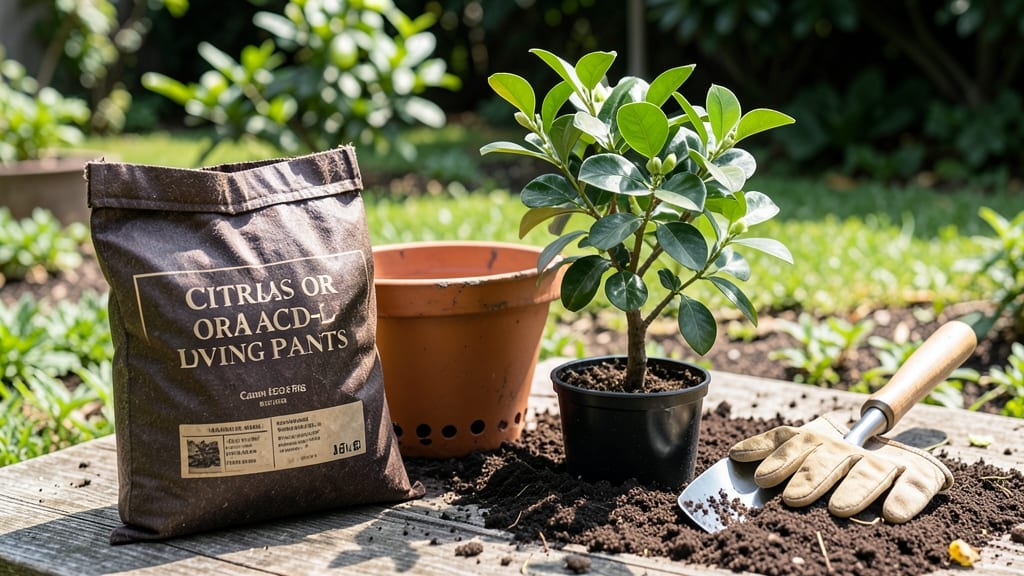
The right potting soil for lime trees isn’t just dirt—it’s the foundation for years of fragrant blossoms and sweet fruit. 🌱 I learned the hard way that regular garden soil smothers citrus roots, but this acid-loving blend keeps my Meyer lime thriving in pots.
The secret lies in balancing drainage, organic matter, and that perfect pH between 5.5 and 6.5—citrus is picky, but once you get it right, the payoff is worth every effort.
Start with 50% well-draining potting mix (never garden soil) and 30% coarse sand or perlite to prevent root rot. Add 20% compost or aged bark for nutrients without compacting the mix.
My go-to recipe uses a pre-mixed citrus blend as the base—just tweak it with extra sand if your climate stays damp. The goal is a texture that crumbles like a fresh muffin, not a brick.
What you’ll end up with is a root system that stays aerated and hydrated, producing bright green leaves and abundant fruit instead of yellowing foliage or stunted growth. The first sign you’ve nailed it?
New shoots appearing within 4-6 weeks of repotting. Even if you’re starting with a sad, root-bound lime, this blend gives it a fighting chance.
Works for both container lime trees and in-ground plantings—just adjust the sand ratio based on your soil’s natural drainage. The key is consistency: lime trees hate soggy feet but also despise drying out completely. Here’s how to keep it perfect all season long.
📚 In This Guide
- What you need
- Instructions
- Tips and common mistakes
- Wrapping up and next steps
What you need
- ● Potting soil base: 60% well-draining potting mix (e.g., Miracle-Gro Potting Mix or FoxFarm Ocean Forest). Quantity: 2-3 bags (18-24 qt total).
- ● Organic matter: 20% peat moss or coconut coir (for acidity and moisture retention). Quantity: 1 bag (12 qt).
- ● Perlite or pumice: 10% coarse aggregate (to prevent compaction). Quantity: 1 small bag (5 qt).
- ● Slow-release fertilizer: Citrus-specific granules (e.g., Osmocote Smart-Release or Espoma Citrus-Tone). Quantity: 1 lb.
- ● Lime or sulfur: Adjust pH to 6.0–6.5 (test soil first! Use pelletized sulfur if pH is too high). Quantity: As needed (start with ½ cup sulfur per 5 gallons).
- ● Gloves & mask: For handling soil additives (safety first!)
- ● Garden trowel or shovel: For mixing ingredients thoroughly.
- ● pH testing kit: Essential! (e.g., Luster Leaf Rapitest).
- ● Large container: Wheelbarrow or 5-gallon bucket for blending.
- ● Watering can: To moisten soil before planting.
- ● Worm castings: 5–10% for extra nutrients (boosts microbial life!).
- ● Biochar: 5% for improved drainage and root health.
- ● Slow-release iron supplement: If leaves show yellowing (common in lime trees!).
How to create the perfect potting mix for a lime tree
Citrus trees like lime thrive when their roots get the right balance of drainage and acidity—here's how to mix it right.
🌱 Step 1: Start With a Base of Quality Potting Soil
Use 50% premium citrus or acid-loving potting mix as your foundation. Regular garden soil compacts too easily and suffocates roots, while citrus-specific mixes already contain the right pH 5.5-6.5 balance lime trees crave. I like to sift it first to break up any clumps—this ensures even moisture distribution and prevents air pockets that stunt root growth.
Fill your container about ⅔ full with this base mix. Tap the pot gently on the table to settle the soil without compacting it. You want it loose enough that roots can easily push through, but firm enough to support the tree's weight. If your lime tree is in a large container, consider adding a 2-inch layer of coarse sand or perlite at the bottom first for extra drainage.
💧 Step 2: Add Organic Matter for Nutrient Retention
Mix in 30% well-aged pine bark fines or composted pine needles—this lowers the pH naturally while adding organic matter that citrus roots love. Avoid fresh wood chips or bark, as they can harbor pathogens or rob nitrogen as they break down. I like to blend this in by hand, ensuring even distribution throughout the base soil.
For containers larger than 15 gallons, add 1 cup of worm castings per 5 gallons of mix. Worm castings provide slow-release nutrients and beneficial microbes that improve root health. Sprinkle them lightly over the surface before the final layer and mix in just enough to incorporate without creating clumps.
☀️ Step 3: Boost Drainage With Mineral Amendments
Add 20% coarse sand or perlite to improve aeration and prevent root rot. Citrus trees hate soggy roots, and this amendment ensures excess water drains quickly while still holding enough moisture for deep roots. I use horticultural sand (not playground sand) because it's sterile and won't compact over time. For containers with drainage holes, this step is critical—without it, water pools at the bottom and suffocates roots.
Mix the sand or perlite thoroughly into the top 6 inches of soil. You'll notice the texture becomes gritty but still holds together when squeezed. This layer is especially important for young lime trees, whose roots are still developing and need consistent moisture without waterlogging.
✂️ Step 4: Finish With a Top Dressing of Mulch
Spread a 1-inch layer of pine bark mulch on the soil surface. This helps retain moisture, regulates temperature, and slowly releases nutrients as it breaks down. Avoid using cedar or oak mulch, as they can alter soil pH over time. I like to sift the mulch so it covers evenly without creating a thick layer that could smother new growth.
Gently press the mulch into the top ¼ inch of soil to anchor it, but don't pack it down. This keeps it in place while still allowing water to penetrate. The mulch layer also prevents soil-borne diseases from splashing onto the trunk during watering. For established lime trees, reapply this top dressing every 3-4 months to maintain its benefits.
🪴 Step 5: Test and Adjust the Soil pH
Use a soil pH test kit to verify your mix is in the 5.5-6.5 range. If it's too high (alkaline), add elemental sulfur at a rate of 1 pound per 100 square feet and mix it into the top 6 inches of soil. If it's too low (acidic), sprinkle crushed limestone lightly and re-test after a few weeks. I always test my mix before planting—lime trees are particular, and even a slight pH shift can stress them over time.
Once your mix is perfect, plant your lime tree and water it deeply. The soil should drain freely within 30 minutes of watering, with no puddles forming. If water pools, your mix needs more sand or perlite. With the right blend, your lime tree will develop strong roots and thrive for years.
Tips & tricks for perfect lime tree potting soil
Between us, creating the ideal growing environment for your lime tree starts with understanding these key adjustments to the basic mix.
Layering Matters: When adding that 2-inch drainage layer at the bottom of large containers, use a 50/50 mix of coarse sand and perlite. This combination prevents compaction while maintaining excellent aeration—critical for citrus roots that despise waterlogged conditions. I've seen roots rot within weeks when using only sand, so this balanced approach makes all the difference.
Texture Test: The perfect mix should feel like damp sandpaper when squeezed—gritty enough to drain well but still cohesive enough to hold moisture. If your blend crumbles completely, add 5% more organic matter; if it sticks together like clay, incorporate another 10% sand or perlite. This tactile check saves you from guessing whether your mix will work.
pH Adjustment Precision: For the 1 pound per 100 square feet sulfur application, measure carefully—too much can make your soil dangerously acidic. I recommend mixing it into the top 6 inches only, as deeper application risks burning roots. Test again after 2 weeks; lime trees show stress quickly when pH drifts outside 5.5-6.5.
Organic Matter Tip: Store your well-aged pine bark fines in a sealed container to prevent moisture loss. Fresh bark loses its acidifying properties within months, so always check for a slightly damp, earthy smell before using. This ensures you're getting that natural pH-lowering effect the recipe counts on.
Pro Tips for Potting Soil For Lime Tree
- Between us, creating the ideal growing environment for your lime tree starts with understanding these key adjustments...
- Layering Matters: When adding that 2-inch drainage layer at the bottom of large containers, use a 50/50 mix of coarse...
- Texture Test: The perfect mix should feel like damp sandpaper when squeezed—gritty enough to drain well but still coh...
Frequently asked questions
Got questions about the perfect potting mix for your lime tree? We’ve got answers! Here are some of the most common concerns—plus expert tips to keep your citrus thriving.
What’s the ideal pH for lime tree potting soil?
Lime trees love slightly acidic soil with a pH between 5.5 and 6.5. Test your mix with a pH meter or strips—if it’s too alkaline (above 7), amend with sulfur or peat moss to lower the pH gradually. Pro tip: Avoid lime-based fertilizers (ironically!) since they raise pH.
How often should I repot my lime tree?
Young lime trees need repotting every 1–2 years to refresh the soil and prevent root-bound stress. Mature trees (over 5 years) can go 2–3 years between repots. Spring is the best time—avoid winter or summer extremes. Watch for: Roots circling the pot or soil drying out too fast.
Can I use regular garden soil for my potted lime tree?
Nope! Garden soil is too dense and may lack drainage, leading to root rot. Instead, blend 60% potting mix, 20% perlite/pumice (for aeration), and 20% compost or peat moss (for acidity). For a shortcut, use a pre-mixed citrus potting soil and top-dress with orchid bark for extra fluff.
Why are my lime tree leaves yellowing after repotting?
Yellowing leaves often signal overwatering, poor drainage, or nutrient shock. Check the soil—it should dry out 1–2 inches deep between waterings. If the mix was too dense, flush it with water to remove excess salts. For a quick fix, fertilize lightly with a citrus-specific formula (low nitrogen, high iron).
What’s a good alternative if I can’t find citrus potting mix?
DIY it! Mix:
- 50% coconut coir or peat moss (acidity)
- 30% perlite or vermiculite (drainage)
- 20% compost or worm castings (nutrients)
Wrapping up and next steps
Choosing the right potting soil for lime tree is the secret to nurturing a thriving citrus companion! 🌱 A well-draining, slightly acidic blend—rich in organic matter and perlite—keeps roots happy and your tree flourishing. With the perfect mix, you’re already halfway to a bountiful harvest of juicy limes.
Ready to take the next step? Grab your soil mix, pot, and lime tree—then get planting! Monitor moisture levels and watch your citrus grow strong. Happy gardening!