
How To
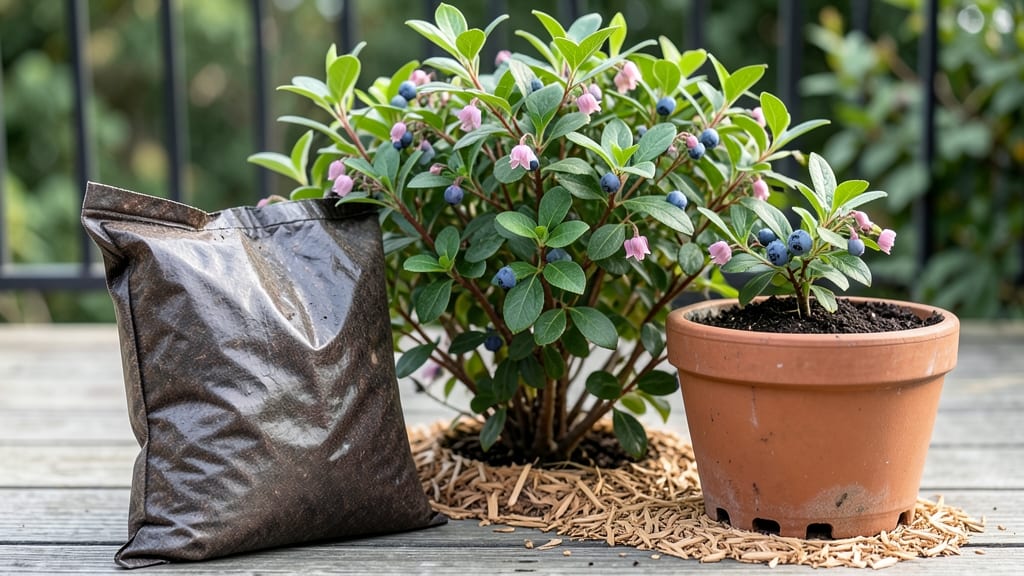
The right potting soil for blueberries demands soil so acidic it makes lemon juice look mild—pH 4.5–5.5 is non-negotiable. 🌿 I learned the hard way when my first batch turned purple leaves into sad, yellowing ghosts.
The right potting mix isn’t just dirt—it’s a carefully balanced cocktail of organic matter, moisture control, and acidity that mimics their natural bog habitat.
Start with 50% peat moss or coconut coir (for acidity and moisture), 30% pine bark fines (for aeration), and 20% composted pine needles or leaf mold (for slow-release nutrients). Skip garden soil—it’s too alkaline and will choke your plants faster than a summer drought.
For synthetic options, look for pre-mixed blueberry formulas labeled "acid-loving" (just double-check the pH). The payoff? Bushes that burst with juicy, deep-blue berries by midsummer instead of struggling to survive.
Your soil should stay lightly moist but never soggy—blueberries hate wet feet but won’t thrive if you let them dry out. Test your mix with a pH meter before planting, and amend with sulfur if it’s still too high.
Repot every 2–3 years to refresh nutrients, and top-dress annually with finely shredded pine bark. Avoid lime or wood ash like you’d avoid a root rot diagnosis—both raise pH and turn your soil into blueberry desert.
Patience is key: it takes a season to dial in the perfect mix, but once you do, your bushes will reward you with harvests that put grocery store berries to shame.
📚 In This Guide
- What you need
- Instructions
- Tips and common mistakes
- Wrapping up and next steps
What you need
- ● Peat moss or coconut coir: 50% of the mix (holds moisture while staying acidic). Coir is eco-friendly and just as effective!
- ● Pine bark fines or fir bark: 25% (improves aeration and drainage). Use finely shredded bark for best results.
- ● Perlite or vermiculite: 10% (boosts drainage and prevents compaction). Perlite is lightweight and ideal for airiness.
- ○ Sphagnum peat moss (optional but recommended): 10-15% (enhances acidity and moisture retention). Skip if using coconut coir.
- ● Slow-release acidic fertilizer: 1 tsp per gallon of mix (e.g., Osmocote 14-14-14 or Miracle-Gro Azalea, Camellia & Rhododendron). Ensures a steady nutrient supply!
- ○ Lime-free compost: 5% (optional, for extra nutrients if not using fertilizer). Avoid dolomitic lime—it raises pH!
- ● Large mixing container: A wheelbarrow, plastic tote, or 5-gallon bucket (sterilized with a 10% bleach solution if reused).
- ● Garden gloves: To protect your hands from sharp bark and peat.
- ● pH testing kit: Digital or liquid test strips to confirm acidity (target: 4.5–5.5). Adjust with sulfur if needed!
- ● Spray bottle with water: For dampening the mix before planting.
- ● Container with drainage holes: Pots (12–18" deep) or raised beds with 1–2" of gravel or broken pottery at the bottom.
- ● 💡 Sterilize your mix: If repurposing old soil, bake it at 200°F (93°C) for 30 minutes to kill pathogens.
- ● 🌡️ Test before planting: Mix equal parts soil and water, then test pH. If too high, add elemental sulfur (1 tsp per gallon) and retest in 2 weeks.
- ● ✨ Amend as needed: After 6 months, top-dress with fresh peat moss or compost to maintain acidity.
How to mix the perfect acidic potting soil for blueberries
Blueberries demand precise soil chemistry—here's how to create the ideal acidic loam blend that keeps roots happy and yields plentiful.
🌱 Step 1: Combine the Base Components
Start with 50% peat moss—this provides the essential acidity blueberries crave. I measure it by volume, not weight, since peat moss compresses dramatically when wet. Next, add 30% perlite to create air pockets that prevent waterlogging, which blueberry roots despise. Finally, mix in 20% pine bark fines for structure and slow nutrient release.
Use your hands to blend thoroughly, breaking up any clumps in the peat moss. You're aiming for a texture that resembles crumbly coffee grounds—light enough for roots to penetrate but dense enough to retain moisture without suffocating. If the mix feels too fine, add a handful more pine bark fines to improve aeration.
💧 Step 2: Incorporate Acidifying Amendments
Blueberries thrive at a pH of 4.5-5.5, so we need to lower our mix's pH. Sprinkle 1 cup of sulfur powder evenly over the blend—this will gradually acidify as it breaks down. For an extra boost, add ½ cup of sphagnum peat moss (the brown, fibrous kind), which naturally holds acidity better than regular peat.
Mix again until the sulfur is completely dispersed. Don't worry if the mix looks darker—this is normal. The sulfur will take 2-4 weeks to fully acidify the soil, so plan to plant your blueberries after this waiting period. If you're impatient, you can speed up the process by watering the mix with lemon juice (¼ cup per gallon of water) a week before planting.
☀️ Step 3: Add Organic Matter for Nutrition
Blueberries are heavy feeders, so we need to include 2 cups of well-aged compost or 1 cup of worm castings for slow-release nutrients. These provide the nitrogen, phosphorus, and potassium blueberries need without spiking the pH. I like to sift the compost first to remove any large chunks that could compact the mix.
For an additional nutrient boost, stir in 1 tablespoon of iron sulfate—this prevents chlorosis (yellowing leaves) that often plagues blueberries in containers. Mix until the color is uniform throughout. The final blend should smell earthy but not sour—if it smells strongly acidic, you've overdone the sulfur.
⏰ Step 4: Test and Adjust Before Planting
Before using your mix, test its pH with a soil pH meter or test kit. Aim for 4.5-5.5—any higher, and your blueberries will suffer. If the pH is too high, add more sulfur and remix. If it's too low, incorporate a handful of dolomitic lime (though this is rare with blueberries).
Moisten the mix until it feels like a wrung-out sponge—damp but not dripping. This moisture level ensures roots establish quickly without sitting in soggy conditions. Store any extra mix in a sealed container for future use, but remember: sulfur loses potency over time, so retest before reuse.
🪴 Step 5: Plant and Maintain Acidic Conditions
Fill your 18-inch deep container (blueberries need depth for root growth) with the prepared mix, leaving 2 inches at the top for mulch. Plant your blueberry bush, ensuring the root flare sits just above the soil line. Water thoroughly until it drains from the bottom holes—this settles the mix and removes air pockets.
After planting, top with 1 inch of pine bark mulch to preserve moisture and slowly release acidity. Monitor the pH every 3 months and retest the soil. Blueberries are fussy, but with this acidic blend, they'll reward you with juicy, flavorful berries for years. Just remember: consistency is key—never let the pH creep above 5.5 or your plant will protest with yellow leaves and poor fruit set.
Tips & tricks for perfect blueberry soil blends
Creating the ideal acidic environment for blueberries is all about precision—and these insights will help you nail it every time.
The Texture Factor: When blending your 50% peat moss, 30% perlite, and 20% pine bark fines in Step 1, think "crumbly coffee grounds." This texture ensures roots can breathe while retaining moisture. If your mix feels too dense after blending, add more pine bark fines—just a handful will improve aeration without disrupting the acidity balance. Remember, blueberry roots need oxygen as much as they need acidity.
Sulfur Application Strategy: In Step 2, when adding your 1 cup of sulfur powder, distribute it evenly and mix thoroughly to prevent hot spots that could burn roots. The sulfur will take 2-4 weeks to fully acidify, so don't rush this process. For impatient gardeners, the lemon juice trick (¼ cup per gallon of water) can speed things up by a week—but test the pH carefully afterward, as lemon juice can over-acidify if overused.
Compost Quality Check: The 2 cups of well-aged compost in Step 3 makes all the difference. Fresh compost can spike pH levels and introduce harmful bacteria. Look for compost that's dark, crumbly, and smells earthy—not sour or ammonia-like. If you're unsure, worm castings are a safer bet for consistent acidity. Sift it first to avoid compacting your mix with large chunks that could create air pockets roots can't penetrate.
pH Testing Precision: Before planting, your pH meter should read between 4.5 and 5.5—no guesswork here. If you're testing and the reading is 5.6 or higher, add another ½ cup sulfur and remix. For readings below 4.5 (rare with blueberries), a pinch of dolomitic lime can bring it back up. Always test after mixing, not before—sulfur needs time to react with the organic matter to show its true acidifying power.
Pro Tips for Potting Soil For Blueberries
- Creating the ideal acidic environment for blueberries is all about precision—and these insights will help you nail it every time.
- The Texture Factor: When blending your 50% peat moss, 30% perlite, and 20% pine bark fines in Step 1, think "crumbly coffee grounds."
- Sulfur Application Strategy: In Step 2, when adding your 1 cup of sulfur powder, distribute it evenly and mix thoroughly to prevent hot spots that could burn roots.
Frequently asked questions
Got questions about potting soil for blueberries? You’re not alone! Here are answers to the most common concerns—from soil prep to troubleshooting—so your blueberry bushes can thrive in their containers.
What’s the ideal pH for blueberry potting soil?
Blueberries love acidic soil with a pH between 4.5 and 5.5. Test your soil with a kit, and adjust with sulfur or peat moss if it’s too alkaline. Pro tip: Avoid lime—it raises pH and can kill your plants!
Can I use regular garden soil for potting blueberries?
Nope! Regular soil is too alkaline and lacks the organic matter blueberries need. Instead, mix 50% peat moss or coconut coir (for acidity) with 30% pine bark fines (for drainage) and 20% compost or perlite. Store-bought "acid-loving plant" mixes work too!
How often should I repot blueberries?
Repot every 2–3 years or when roots circle the pot (a sign of being root-bound). Spring is the best time—give them fresh soil and a slightly larger container (1–2 inches wider). Warning: Avoid repotting in winter when growth slows.
Why are my blueberry leaves turning yellow?
Yellow leaves usually mean too much alkalinity (high pH) or overwatering. Check the soil pH first—if it’s above 6.0, amend with sulfur. If the soil stays soggy, improve drainage with perlite or sand. Brown edges? That’s often underwatering or salt buildup.
Can I reuse old blueberry potting soil?
Yes, but sterilize it first to kill pests/diseases. Mix old soil with fresh peat moss or compost (50/50) and add a slow-release fertilizer. Avoid reusing soil with visible mold or foul smells—start fresh instead!
Wrapping up and next steps
Choosing the right potting soil for blueberries is the secret to luscious, acidic-loving shrubs that burst with flavor! 🌱 Remember, a well-draining, low-pH mix (4.5–5.5) packed with organic matter is key—think peat moss, pine bark, and compost.
With the right soil, your blueberries will thrive, rewarding you with juicy harvests for years to come.
Ready to get growing? Start by testing your soil’s pH and tweaking it if needed—then plant with confidence! Your blueberry bushes will thank you (and so will your taste buds).