
How To
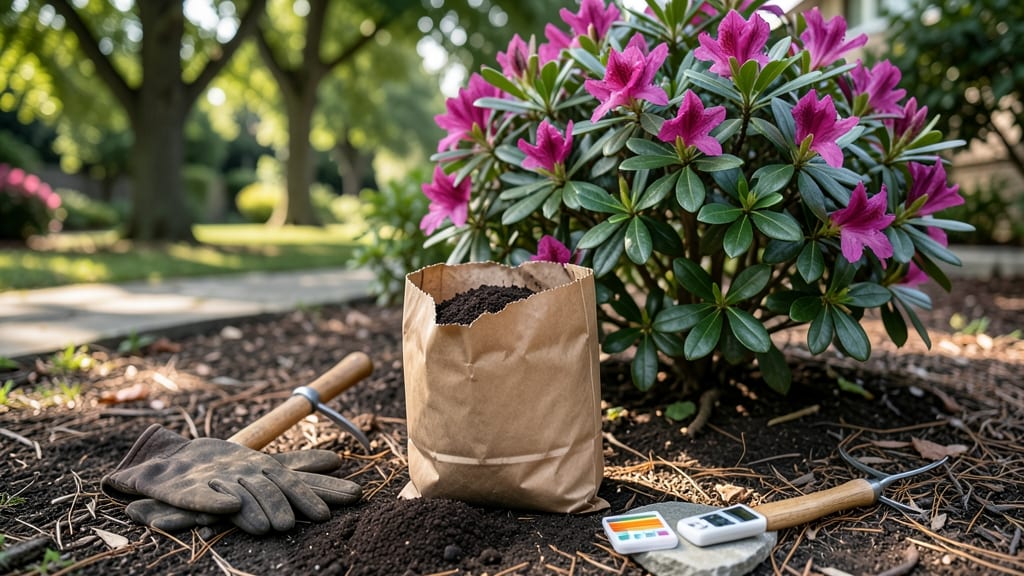
To use coffee grounds for acidic soil, apply 1–2 cups per plant every 1–2 months, mixing them into the top 2–3 inches of soil. Too much can compact soil or over-fertilize with nitrogen, potentially harming acid-loving plants like blueberries, azaleas, and hydrangeas.
Coffee grounds work because they contain natural organic acids that slowly break down in the soil, lowering its pH over time. 🌱 Unlike synthetic amendments, they also add beneficial nutrients like nitrogen and potassium while improving soil structure.
I’ve found that composting grounds first prevents clumping and ensures a more gradual acidification process, which is gentler on plant roots.
For best results, focus on acid-loving plants like blueberries, gardenias, or tomatoes that thrive in pH levels between 4.5 and 6.5. Spread the grounds evenly around the base of the plant, then lightly cover with soil to avoid attracting pests.
Avoid using coffee grounds mixed with coffee liquid—the extra moisture can create anaerobic conditions that harm soil microbes.
💡 In This Article
- How Coffee Grounds Lower Soil pH and Boost Plant Health
- Best Practices for Applying Coffee Grounds to Acid-Loving Plants
How coffee grounds lower soil pH and boost plant health
Coffee grounds contain natural organic acids like tannins and chlorogenic acid, which slowly break down in the soil and release hydrogen ions (H+). These ions react with soil minerals, gradually lowering the pH over time—typically by 0.5 to 1.0 pH points per application when used consistently.
Unlike synthetic amendments like sulfur (which can drop pH by 1.5-2.5 points but requires careful monitoring), coffee grounds provide a gentler, more organic approach. The process is gradual because microbes decompose the grounds, releasing acids at a rate plants can tolerate.
The nutrient boost comes from the coffee grounds' high nitrogen content (2% nitrogen by weight) and trace minerals like potassium and phosphorus. When composted first, these nutrients become more bioavailable, reducing the risk of nitrogen burn.
Fresh grounds, however, can create a temporary "hot spot" of high nitrogen, which may harm delicate roots. The organic matter also improves soil structure by enhancing water retention and aeration, making it ideal for plants like blueberries that need well-draining yet moisture-retentive soil. 🌱
For comparison, pine needles (another acidifier) lower pH by 0.2-0.5 points per application but lack the nutrient benefits of coffee grounds. Sulfur, while potent, can disrupt soil microbes and require precise dosing. Coffee grounds strike a balance—offering both acidification and fertilization without the risks of synthetic chemicals.
The key is patience: soil pH changes take 4-6 weeks to stabilize after application, depending on your climate and soil type.
One often-overlooked benefit is the stimulation of beneficial soil microbes. The organic acids in coffee grounds encourage the growth of fungi and bacteria that help break down other organic matter, further enriching the soil.
This microbial activity also aids in nutrient cycling, ensuring plants get a steady supply of phosphorus and potassium over time. For example, blueberries—which thrive in pH 4.5-5.5—show improved growth and fruit production when coffee grounds are used as a 20-30% supplement to their primary fertilizer.
However, the acidification effect varies by soil type. Sandy soils (which drain quickly) may see a faster pH drop, while clay soils (which hold moisture) can take longer. Testing your soil’s pH before and after application helps track progress.
For instance, if your soil starts at pH 6.8, you might need 3-4 applications per year to reach the ideal 5.5-6.0 range for acid-loving plants. 💫
To maximize benefits, mix coffee grounds with other organic matter like peat moss or compost. This creates a balanced amendment that combines acidification with improved soil structure. For example, a blend of 50% composted coffee grounds and 50% peat moss provides both nutrients and acidity while preventing clumping.
Avoid using fresh grounds directly on plants—they can mat together and suffocate roots, so always compost or bury them at least 2-3 inches deep.