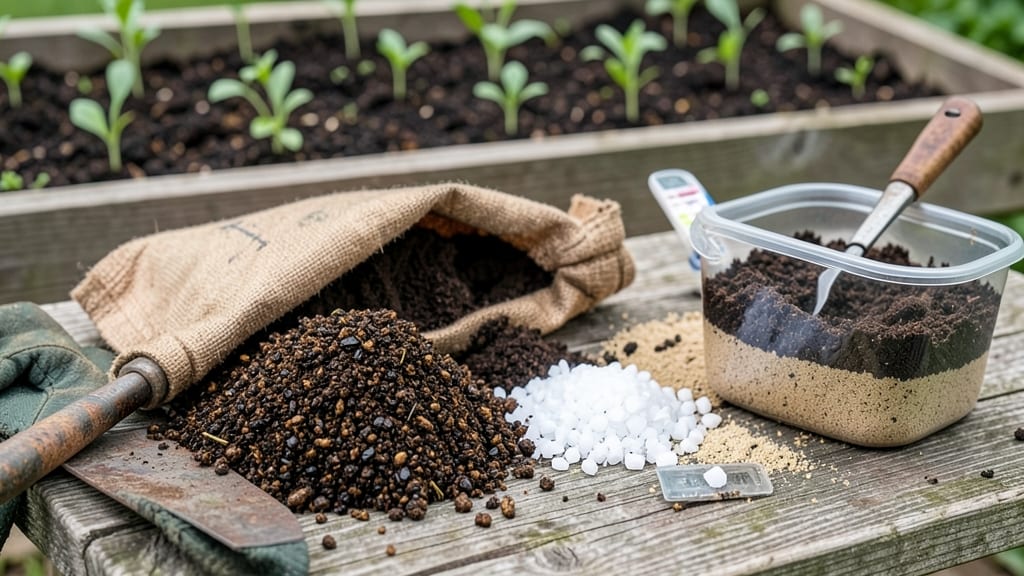
💥 Quick Answer A balanced soil mixture for vegetable gardens should combine 60% topsoil or garden loam, 30% well-aged compost, and 10% coarse sand or perlite to improve drainage while retaining moisture and nutrients…
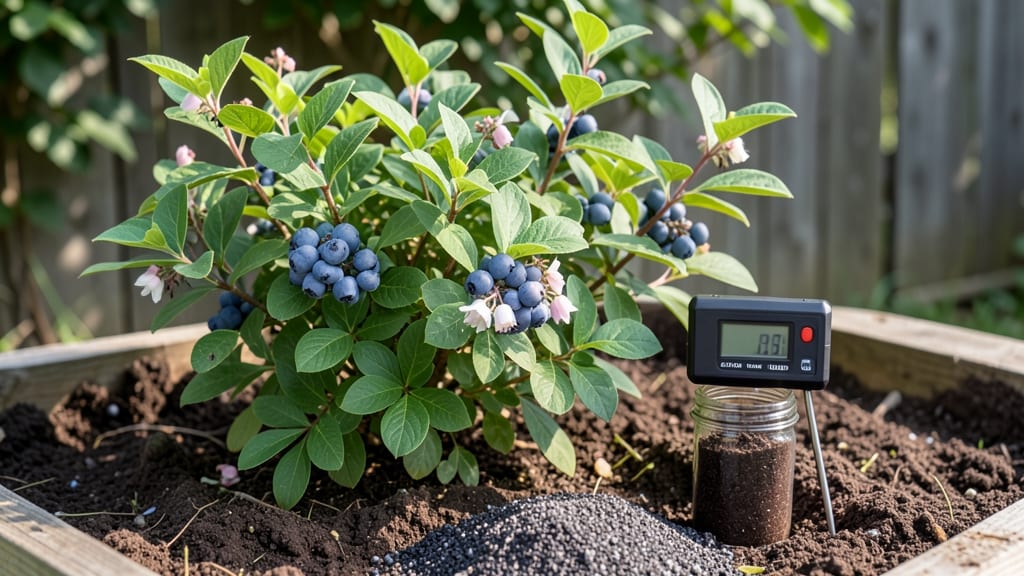
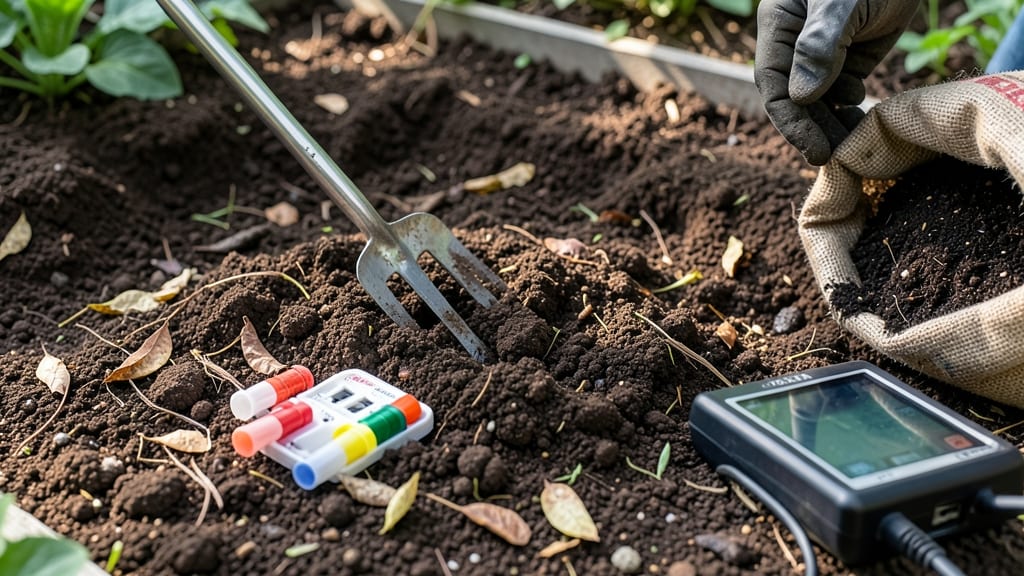
💥 Quick Answer Soil is acidic when its pH level measures below 7.0, creating an environment ideal for acid-loving plants like blueberries, azaleas, and rhododendrons while restricting growth of vegetables such as…
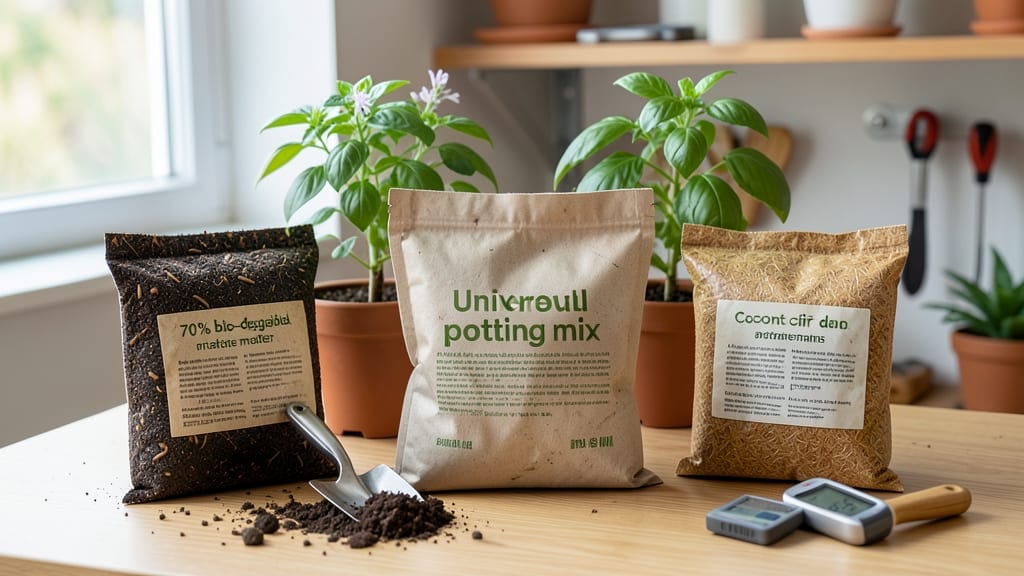
The best potting soil recommendations make all the difference—because the wrong mix can leave plants struggling for months. 🌱 I’ve tested everything from peat-heavy blends to coco coir mixes, and the difference between…
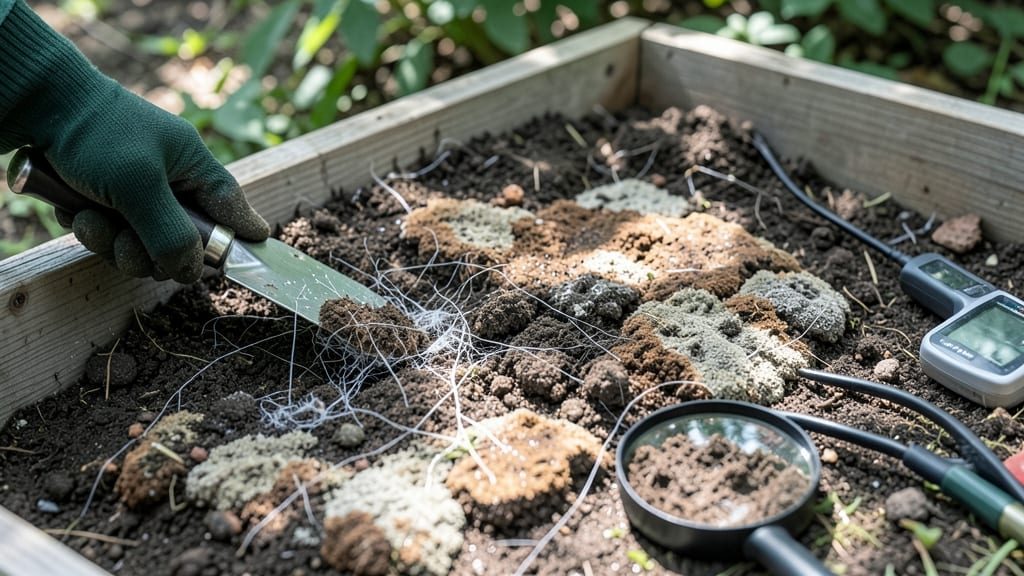
That brown soil fungus creeping through your garden beds isn’t just unsightly—it’s stealing nutrients from roots and stunting plant growth. 🌱 I’ve battled Rhizoctonia and Thielaviopsis in my own soil, and neem oil…
💥 Quick Answer Topsoil images reveal the nutrient-rich, dark upper layer perfect for gardening, featuring textures from fine loam to coarse sand and containing decomposed plant matter. You can identify it by its darker…
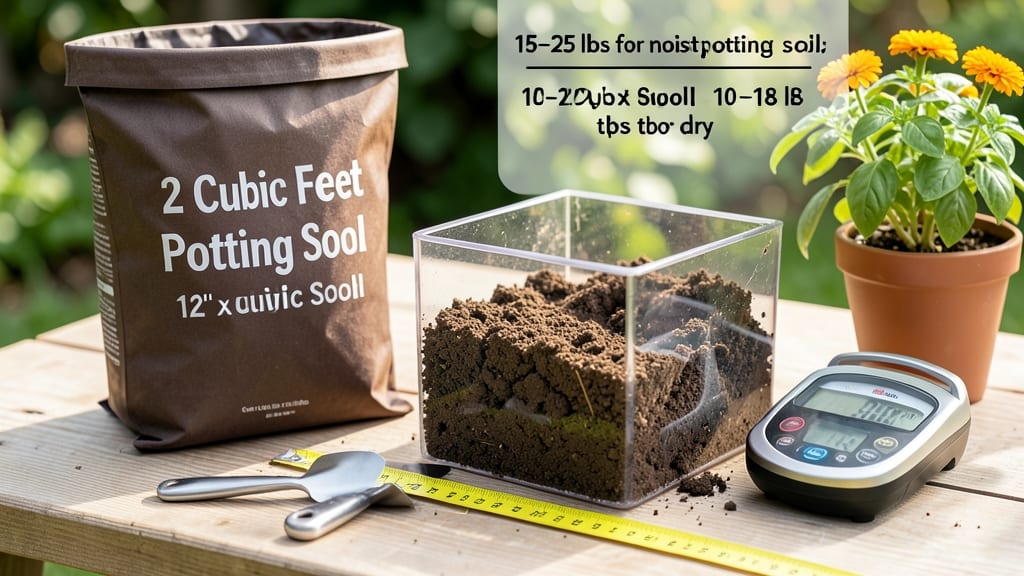
💥 Quick Answer Two cubic feet of potting soil typically weighs 25 to 40 pounds , depending on moisture content, organic matter composition, and whether it’s loose or compressed. Organic mixes like peat-based blends are…
I’ve spent more summers than I can count digging in the dirt, whether it was helping my grandfather tend his vegetable garden in Michigan or sneaking extra sunflower seeds into my lunchbox as a kid. There’s something about watching a tiny seed turn into a thriving plant that never gets old.
This site is where I share the lessons I’ve learned—from the best ways to coax life out of stubborn seeds to the simple joys of growing food you can actually eat. If gardening feels like a puzzle, I’m here to hand you a few of the pieces.