
How To
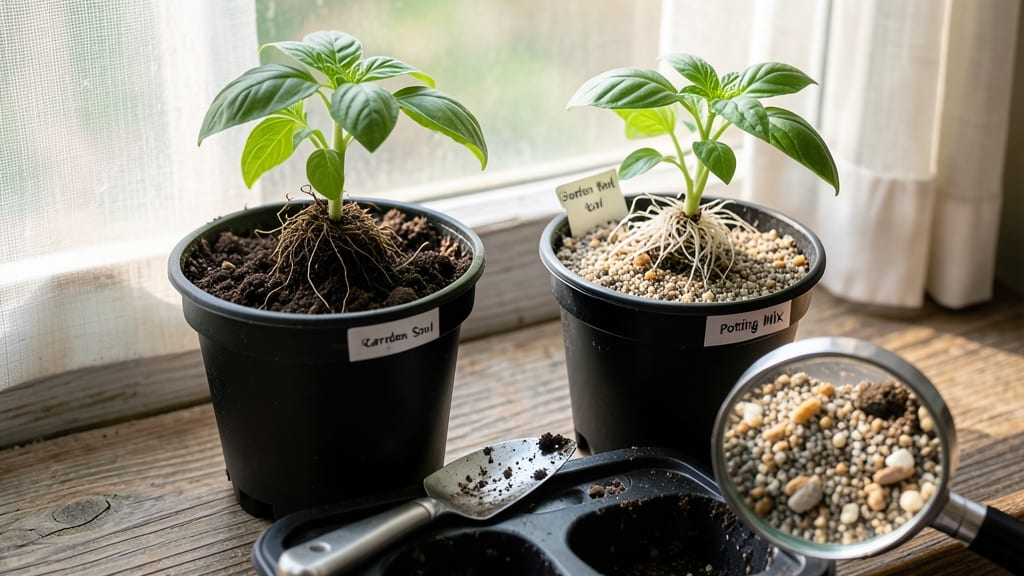
That first shovelful of soil can make or break your plants—planting soil and potting soil aren’t interchangeable, and I’ve learned that the hard way. 🌱 One’s designed to feed roots in open ground while the other cradles container plants, and mixing them up leads to soggy roots or stunted growth.
The difference boils down to drainage, nutrients, and how roots spread—once you understand it, you’ll never guess wrong again.
Planting soil is the heavyweight champ for in-ground gardens—it’s packed with organic matter, holds moisture like a sponge, and stays fertile for years. Think of it as the foundation for vegetables, shrubs, and perennials that need deep roots and steady nutrients. But here’s the catch: it’s denser, so amending with compost or perlite helps prevent compaction. My zucchini plants thrive in it because the roots can spread freely without hitting container walls.
Potting soil, on the other hand, is lightweight and airy—perfect for containers where drainage is critical. It breaks down faster (so mix in slow-release fertilizer) and often includes bark or vermiculite to keep roots from drowning. My balcony herbs stay lush because this soil prevents gummy roots while still feeding them. The trade-off? It drains too fast for in-ground use, leaving plants thirsty between waterings.
Need a hybrid? For raised beds or large containers, blend both—60% planting soil for structure and 40% potting soil for drainage—plus a handful of worm castings. That’s how I keep my container tomatoes producing all summer without the guesswork.
The key is matching the soil to where the roots want to grow, not where you’re planting.
The first product explained
Meet Miracle-Gro Performance Organics All Purpose Garden Soil—your go-to blend for both planting and potting adventures! 🌱✨ This premium mix is designed to give your plants the perfect foundation, whether you're tucking them into the ground or snuggling them into containers. Let’s dig into what makes it a standout choice.
📏 Specs & Features
This 5-cubic-foot bag is packed with goodness, including:
- Organic matter: 30% composted plant and animal matter for nutrient-rich growth.
- Slow-release nutrients: Balanced blend of nitrogen, phosphorus, and potassium to fuel steady development.
- Moisture retention: Helps keep roots hydrated without turning into a swamp.
- pH-balanced: Neutral pH (around 6.5) to suit most plants.
- Lightweight yet sturdy: Easy to handle while providing excellent aeration.
🎯 Target Users
This soil is a versatile powerhouse for:
- 🌿 New gardeners: Simple, foolproof mix that forgives mistakes.
- 🏡 Balcony/container gardeners: Ideal for herbs, veggies, and flowers in pots.
- 🌳 In-ground planters: Great for raised beds, shrubs, and perennials.
- 🌻 Organic enthusiasts: Certified organic ingredients for eco-conscious growers.
$ Price Point & Value
Priced at $12.97 for a 5-cubic-foot bag (as of latest market data), this soil offers exceptional value:
- 💰 Cost-effective: Covers a generous volume, reducing the need for frequent repurchases.
- 🌟 Multi-use: Works for both planting and potting, saving you from buying separate mixes.
- 🌱 Long-term savings: Promotes healthier plants, reducing the need for fertilizers or soil amendments.
Whether you're a green thumb or a gardening newbie, this soil delivers consistent results with minimal fuss. Ready to give your plants the Miracle-Gro advantage? 🚀
The second product explained
Next up, let’s dig into Miracle-Gro Indoor Potting Mix—a fan-favorite for container gardening that’s as versatile as it is nutrient-packed! 🌱✨ This premium potting soil is designed to keep your plants thriving in pots, hanging baskets, and raised beds, making it a go-to for both beginners and seasoned gardeners alike.
Key Specs & Features
Here’s what makes this potting soil stand out:
- Lightweight & Fluffy Texture: Engineered with coconut coir and peat moss for excellent aeration, so roots breathe easy and water drains efficiently. No soggy bottoms here!
- Nutrient-Rich Formula: Blended with controlled-release fertilizer (12-4-8 NPK ratio) to feed plants for up to 3 months, reducing the need for frequent top-ups.
- pH Balanced: Slightly acidic (5.5–6.5 pH), perfect for most houseplants, herbs, and veggies like tomatoes and peppers.
- Pest & Disease Resistant: Sterilized to eliminate weeds, fungi, and harmful pathogens—ideal for indoor gardens where pests love to crash the party.
- Moisture-Retentive: Holds just the right amount of water without becoming compacted, so you’re not constantly watering (or drowning) your plants.
Who’s It For?
This potting soil is a jack-of-all-trades for:
- 🌿 Houseplant Lovers: Perfect for ferns, snake plants, pothos, and other tropical beauties that crave moisture but hate soggy roots.
- 🍅 Container Gardeners: Grow veggies, herbs (basil, mint, chives), and flowers like petunias or impatiens in pots or window boxes.
- 🏡 Indoor Farmers: Safe for hydroponic systems and self-watering containers—just avoid mixing it with heavy garden soil.
- 🛒 Busy Bees: The slow-release fertilizer means less work for you and more growth for your plants.
Price & Value
Priced at $8.99–$12.99 for a 8-quart bag (or ~$0.50–$0.75 per quart), this potting mix offers serious bang for your buck. While it’s slightly pricier than generic potting soil, the long-lasting nutrients and superior drainage make it a cost-effective choice for heavy or frequent use.
Pro tip: 💡 Buy in bulk if you’re a serial planter—your wallet (and plants) will thank you!
Need a lighter, airier mix for orchids or succulents? Skip this one—opt for a specialty blend instead. But for the majority of container gardening? Miracle-Gro Indoor Potting Mix is a home run!
Head-to-head comparison
Ready to dig into the differences between planting soil and potting soil? Let’s break it down in a clear, side-by-side comparison so you can pick the perfect soil for your garden or containers.
Whether you're a seasoned gardener or just starting out, understanding these key differences will help you nurture healthier plants and root out confusion! 🌱🔍
📊 Performance: How They Support Plant Growth
Performance is where planting soil and potting soil truly shine—or don’t—in different scenarios. Here’s how they stack up:
| Dimension | Planting Soil | Potting Soil |
|---|---|---|
| Drainage | Moderate to poor (often amended with compost or organic matter to improve drainage). | Excellent (designed with perlite, vermiculite, or sand to prevent waterlogging). |
| Nutrient Retention | High (rich in organic matter like decomposed leaves, manure, or compost). | Moderate (often lighter to prevent compaction; may require fertilizer supplements). |
| Root Expansion | Ideal for in-ground plants (allows roots to spread freely in open soil). | Limited by container size (roots grow in a confined space, so aeration is critical). |
| Moisture Retention | Holds moisture longer (great for drought-prone areas or deep-rooted plants). | Dries out faster (requires more frequent watering, especially in containers). |
💡 Pro Tip: If you’re using potting soil in-ground, mix it with native soil to balance its lightweight texture and improve moisture retention. For planting soil in containers, add perlite or coconut coir to boost aeration!
🛠️ Features: Composition and Additives
What’s actually in the bag? The ingredients make all the difference in how your plants thrive. Here’s a breakdown of their key features:
- Planting Soil:
- Made from native soil (topsoil, clay, or loam) mixed with organic amendments like compost, peat moss, or aged manure.
- May contain mineral additives (e.g., sand, lime) to adjust pH or texture.
- Heavier and denser—ideal for supporting heavy plants like shrubs or trees.
- Often sterilized to kill weeds and pathogens (though not always).
- Potting Soil:
- Designed to be lightweight and fluffy, typically blended with peat moss, coconut coir, or compost.
- Includes amendments for aeration, such as perlite, vermiculite, or bark chips.
- Sterilized and pathogen-free (a must for container gardening to prevent disease).
- May contain slow-release fertilizers or mycorrhizal fungi to boost early growth.
✨ Key Difference: Planting soil mimics natural earth conditions, while potting soil is engineered for controlled environments—like your favorite terracotta pot or raised bed. Think of it as the difference between a cozy backyard and a sleek urban apartment!
$💰 Price: Cost-Effectiveness for Your Budget
Your wallet will thank you for knowing which soil fits your project’s needs—and budget! Here’s how they compare:
| Factor | Planting Soil | Potting Soil |
|---|---|---|
| Cost per Cubic Foot/Yard | $0.50–$2.00 (cheaper in bulk; often sold by the yard). | $1.50–$5.00 (premium blends or organic options can be pricier). |
| Long-Term Value | High (covers large areas; great for landscaping or vegetable gardens). | Moderate (best for small-scale projects; repotting may require new soil). |
| DIY vs. Store-Bought | Easy to mix yourself (compost + native soil). | Harder to DIY (requires precise ratios of amendments for aeration). |
💡 Budget Hack: If you’re planting in containers, buy potting soil in bulk and store it in a dry, airtight container. For in-ground projects, consider topsoil blends or even used coffee grounds (composted!) to cut costs while boosting nutrients.
⏳ Durability: Longevity and Soil Degradation
Soil isn’t static—it changes over time, especially with use. Here’s how planting and potting soil hold up:
- Planting Soil:
- Degrades slower (natural soil structure remains intact longer).
- May compact over time, reducing aeration (amend with compost to refresh).
- Less prone to waterlogging if amended properly (e.g., adding sand or gypsum).
- Can last years in garden beds with minimal maintenance.
- Potting Soil:
- Breaks down faster (organic matter like peat moss decomposes in 1–2 years).
- Loses structure quickly in containers, leading to compaction or mold if not refreshed.
- Requires replacement every 1–2 years (or when it smells sour or resists water).
- Sterility diminishes over time (bacteria and fungi build up, risking plant disease).
🔥 Maintenance Tip: Extend the life of potting soil by top-dressing with compost or mixing in worm castings annually. For planting soil, till in fresh compost every season to replenish nutrients!
🌱 Best Uses: When to Choose Each
Still unsure which soil to pick? Here’s a quick guide to their ideal scenarios:
| Use Case | Planting Soil | Potting Soil | |||||
|---|---|---|---|---|---|---|---|
| Vegetable Gardens | ✅ Best for in-ground beds (rich in nutrients). | ❌ Not ideal (dries out too fast; roots need depth). | |||||
| Container Gardening | ❌ Too dense (roots suffocate; poor drainage). | ✅ Perfect for pots, hanging baskets, and raised beds. | |||||
| Scenario | Recommended Mix |
|---|---|
| Heavy clay soil in containers | 70% potting soil + 30% perlite or vermiculite |
| Vegetable garden beds | 50% planting soil + 50% compost or aged manure |
| Houseplants in small pots | 60% potting soil + 20% coconut coir + 20% orchid bark |
Remember, the "best" soil is the one that matches your plants’ needs and your growing conditions. Don’t be afraid to experiment—your green thumb will thank you! 🌟