
Companion Plants
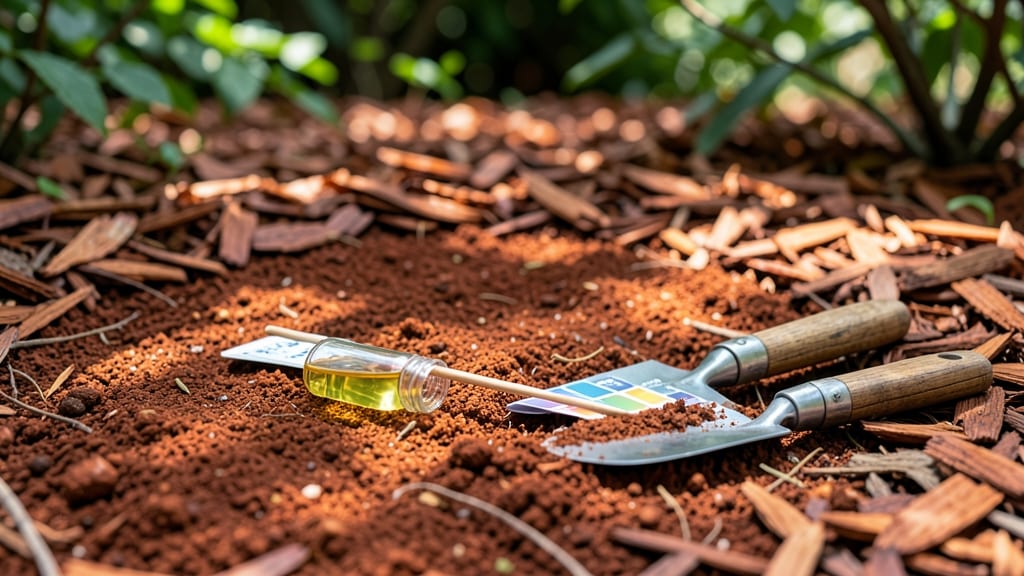
Your acid-loving plants crave red soil's signature iron-rich composition, but that rusty hue hides both strengths and pitfalls. 🌱 The same properties that make it ideal for blueberries and azaleas—like excellent drainage and low pH—can also create challenges if you're not prepared.
I've spent years working with this soil type, learning which plants thrive and how to tweak its fertility for consistent success.
Red soil's natural acidity (pH 4.5-6.0) suits plants that prefer nutrient conditions similar to their native forests. Think azaleas, rhododendrons, camellias, and even some vegetables like blueberries and potatoes. The challenge? Its clay-heavy texture can become compacted, leading to poor root growth if not amended properly.
The good news is that with the right adjustments, you can transform this soil into a powerhouse for your garden.
By adding organic matter like composted leaves or pine needles, you'll improve drainage while maintaining that crucial acidity. A simple mix of 20% compost and 80% native red soil creates an ideal growing medium that retains moisture without suffocating roots.
Your acid-loving plants will respond with vibrant foliage and bountiful blooms within just a few weeks of proper amendment.
The key is monitoring and adjusting—test your soil's pH annually and add sulfur if it creeps above 6.0. This approach works equally well for container gardens, raised beds, or in-ground plantings. With these adjustments, you'll unlock the full potential of red soil without the common pitfalls that frustrate many gardeners.
📚 In This Guide
- What you need
- Instructions
- Tips and common mistakes
- Wrapping up and next steps
What you need
- ● Red soil (or laterite soil): 5–10 gallons (enough to cover your planting area 2–3 inches deep). Look for acidic, mineral-rich varieties (pH 5.0–6.5).
- ● Peat moss or coconut coir: 2–3 gallons (to improve drainage and retain moisture).
- ● Compost or well-aged manure: 1–2 gallons (for organic nutrients).
- ● Sulfur or aluminum sulfate: 1–2 cups (to adjust pH if needed).
- ● Garden gloves and a trowel: For safe handling and mixing.
- ● pH testing kit: To monitor acidity levels before/after mixing.
- ● Garden fork or spade: For aerating compacted soil.
- ● Wheelbarrow or large bin: To mix ingredients easily.
- ● Mulch (pine needles or oak leaves): 1–2 inches to maintain acidity long-term.
How to create a custom red soil mix for acid-loving plants
This nutrient-rich blend mimics natural peat-based soils—perfect for azaleas, blueberries, and camellias.
🌱 Step 1: Combine Base Materials for Drainage and Structure
Start with 50% peat moss—this is your foundation for acidity and moisture retention. I like to break it up with my hands first to loosen any clumps, since compacted peat can suffocate roots. Next, add 25% perlite for aeration; this prevents the mix from becoming too dense and helps water drain freely through the pot.
Mix these two components thoroughly in a wheelbarrow or large container. The peat should feel light and spongy, while the perlite adds a gritty texture. If you're working with 4 cubic feet of mix, that's about 2 cubic feet of peat and 1 cubic foot of perlite. This ratio keeps roots breathing while holding enough moisture for thirsty acid-lovers.
🌿 Step 2: Boost Nutrients with Organic Matter
Add 20% composted pine bark fines—this mimics the natural forest floor environment where many acid-loving plants thrive. The bark breaks down slowly, feeding roots over time without raising the soil pH. I sift mine to remove any large chunks that could create air pockets around delicate roots.
Now stir in 5% worm castings for a gentle nutrient boost. This is where the magic happens—worm castings contain beneficial microbes that help roots absorb nutrients more efficiently. If you're making 4 cubic feet total, that's about 1 cubic foot of bark fines and ½ cubic foot of castings. Mix everything until the blend looks uniformly dark and crumbly.
✂️ Step 3: Adjust pH and Test Before Use
For every 4 cubic feet of mix, sprinkle 1 tablespoon of elemental sulfur and 1 tablespoon of aluminum sulfate. These amendments lower the pH to the 4.5–5.5 range ideal for acid-loving plants. Use a soil pH test kit to verify—drop a sample in water and compare the color to the chart. If it's still too high, add a little more sulfur and remix.
Let the mix sit for 24 hours before use. This gives the sulfur time to fully react and prevents shocking plants with sudden pH changes. The final texture should resemble crumbly, dark coffee grounds with a slightly gritty feel. Store any leftover mix in a sealed container until ready to use.
💧 Step 4: Apply to Plants with Proper Watering
Fill containers with your new mix, leaving 1 inch of space at the top for watering. Gently tap the sides to settle the soil without compacting it. When planting, place roots just below the soil surface—never bury the stem too deep, as this can cause rot in acid-loving species.
Water thoroughly until it drains from the bottom, then let it sit for 10 minutes before adding more. The mix should feel damp like a wrung-out sponge. Overwatering can leach nutrients and raise pH over time, so always check the top inch of soil before watering again. Mulch with ½ inch of pine needles to help maintain acidity and reduce moisture loss.
Tips & tricks for perfect acid-loving soil mix
Here's what nobody tells you about creating the ideal environment for your acid-loving plants—these details make all the difference.
Texture is Everything: In Step 1, when mixing your 50% peat moss and 25% perlite, aim for a blend that resembles damp, crumbly coffee grounds. If it feels too dense after mixing, add a little more perlite—this prevents compaction that can suffocate roots. I test consistency by squeezing a handful; it should hold its shape but crumble easily when pressed.
Sifting Creates Uniformity: Before adding your 20% composted pine bark fines in Step 2, sift them through a fine-mesh screen to eliminate any large particles. These chunks can create air pockets that disrupt root growth. I use a hardware cloth screen for this—it takes about 5 minutes but makes a noticeable difference in the final texture.
pH Testing Accuracy: When adjusting pH in Step 3 with your 1 tablespoon each of elemental sulfur and aluminum sulfate, use a digital pH meter for precise readings rather than color charts. These meters give readings down to 0.1 pH units, which is critical since azaleas and blueberries thrive in the narrow 4.5–5.5 range. I've seen color charts vary by brand—digital meters eliminate that guesswork.
Storage Wisdom: After your 24-hour curing period, store any leftover mix in sealed plastic bags with a few holes punched in the top. This maintains moisture while allowing airflow to prevent mold. I label each bag with the date and pH level—this helps me track performance over time for different plant varieties.
Pro Tips for Red Soil For Plants
- Here's what nobody tells you about creating the ideal environment for your acid-loving plants—these details make all the difference.
- Texture is Everything: In Step 1, when mixing your 50% peat moss and 25% perlite, aim for a blend that resembles damp, crumbly coffee grounds.
- Sifting Creates Uniformity: Before adding your 20% composted pine bark fines in Step 2, sift them through a fine-mesh screen to eliminate any large particles.
Frequently asked questions
Got questions about using red soil for your acid-loving plants?
You’re not alone! Here are some of the most common queries—plus quick, practical answers to help you garden like a pro.
What makes red soil good for acid-loving plants?
Red soil (like peat moss or laterite) is naturally acidic (pH 4.5–6.5), perfect for blueberries, azaleas, and hydrangeas. It holds moisture well, resists compaction, and provides the low pH these plants crave. Just avoid overworking it—it’s delicate!
How long does it take for red soil to adjust pH?
Adjusting pH with red soil or amendments like sulfur or pine needles can take 4–8 weeks to stabilize. Test your soil every 2 weeks with a pH meter or test kit. Patience pays off—rushing leads to root stress!
Can I mix red soil with regular potting soil?
Yes! For most plants, blend 50% red soil with 50% potting mix to balance acidity and nutrients. Acid-loving plants (like gardenia) can handle up to 70% red soil. Avoid overdoing it—too much can suffocate roots.
Why are my plants wilting even with red soil?
Wilting often means overwatering (red soil drains poorly when wet) or nutrient lockout from extreme acidity. Try these fixes:
- Let the top inch dry between waterings.
- Add a balanced fertilizer (like 10-10-10) to boost nutrients.
- Check pH—if below 4.5, amend with lime (sparingly!).
Is red soil expensive? Are there cheaper alternatives?
Red soil can cost $10–$20 per bag, but budget-friendly swaps include:
- Pine bark fines ($8–$15/bag) – mimics acidity.
- Coconut coir ($5–$12/bag) – retains moisture.
- Composted leaves (free!) – adds organic acidity.
Wrapping up and next steps
Ready to transform your garden with nutrient-rich red soil? 🌱 This acid-loving plant powerhouse is your secret weapon for thriving azaleas, blueberries, and more—no fancy lab work required! Whether you’re amending existing soil or starting fresh, the key is balance: mix, monitor, and mulch for long-term success.
Your next step? Grab a shovel and a pH tester, then dive in! Start small with a raised bed or container garden to see the magic firsthand. Happy planting—and watch your garden flourish! 🌿