
How To
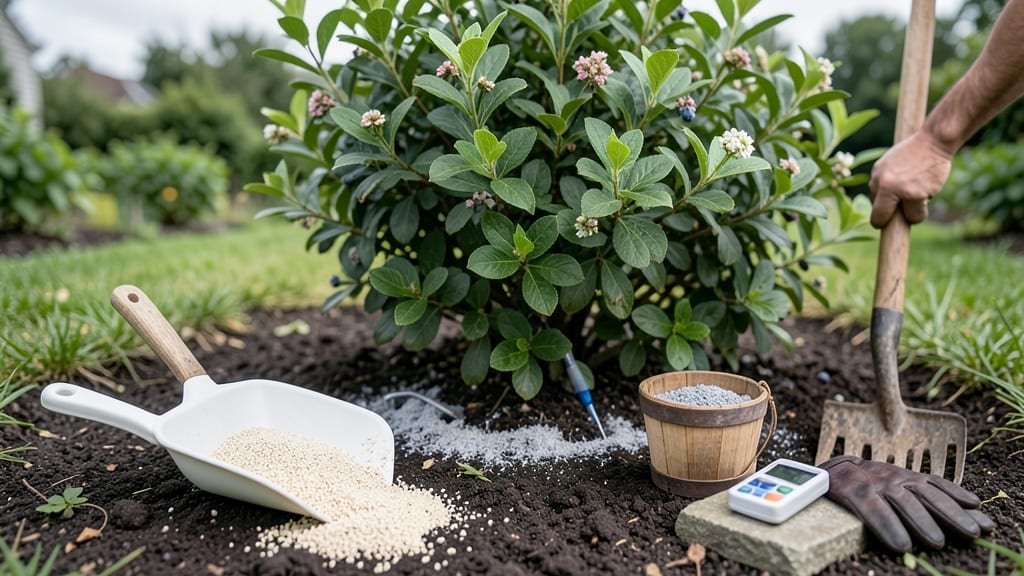
To neutralize soil acidity, start with a soil pH test to determine current levels, then apply agricultural lime (calcium carbonate) at precise rates tailored to your soil type and acidity level. Recheck the pH after 2-3 months to ensure optimal plant growth, and avoid over-application to prevent creating alkaline soil conditions.
Soil acidity throws off nutrient availability for plants, often causing yellowing leaves or stunted growth.
The key is understanding your soil's buffering capacity—clay soils hold onto lime longer than sandy soils, meaning they need less frequent adjustments. 🌱 I always recommend starting with a soil test kit ($20-$30) to get exact pH numbers before calculating lime amounts.
For example, a 5.0 pH soil might need 5-10 lbs of lime per 100 sq ft, but that dose changes dramatically if your soil is already 40% organic matter.
Timing matters too: apply lime in fall or early spring when rain helps distribute it evenly, and avoid working it into the top inch of soil—this prevents clumping. Think of lime as a slow-release nutrient booster rather than an instant fix.
Pro tip: mix a small amount of compost with your lime application to improve nutrient balance while the pH adjusts.
💡 In This Article
- How Lime Adjusts Soil pH: Chemistry and Application Science
- Calculating Lime Needs: Step-by-Step Dosage Guide by Soil Type
How lime adjusts soil pH: chemistry and application science
When you add agricultural lime (calcium carbonate or dolomitic lime), it reacts with hydrogen ions (H+) in acidic soil, effectively neutralizing them. This chemical reaction produces water and carbon dioxide while releasing calcium or magnesium ions that replace the H+ ions on soil particles.
Think of it like swapping out tiny acidic "keys" for neutral "locks" that help plants absorb nutrients like phosphorus and nitrogen more efficiently. 🌱 The process is gradual—lime doesn’t work instantly because it needs time to dissolve and react with the soil’s exchange sites.
Soil type dramatically affects how lime works. Clay soils have a higher buffering capacity, meaning they resist pH changes and require less lime per application (about 2-5 lbs per 100 sq ft for a 1.0 pH unit increase).
Sandy soils, on the other hand, drain quickly and need 5-10 lbs per 100 sq ft because the lime washes away faster. Granular lime (pellets) dissolves slower than powdered lime, giving it a longer-lasting effect in sandy soils, while powdered lime acts faster but risks clumping if not spread evenly.
Here’s what happens at the microscopic level: The calcium ions from lime bind to negatively charged clay particles, displacing the H+ ions that were making the soil acidic. This exchange raises the pH, but the effect isn’t permanent—rain and plant uptake can gradually lower it again.
That’s why rechecking the pH after 2-3 months is critical. Over-limeing can create alkaline conditions (pH >7.5), which locks out essential nutrients like iron and manganese, harming plants just as acidity does.
Organic matter also plays a role—soils with 10%+ organic content (like compost-rich gardens) need 10-20% less lime because the organic material naturally buffers pH changes.
For example, a 4.5 pH sandy loam might need 8 lbs of lime per 100 sq ft, but the same soil with 15% organic matter could get away with just 6 lbs. The key is balancing lime with organic amendments to avoid creating a chemical imbalance.
Seasonal timing impacts effectiveness too. Applying lime in fall or early spring lets winter rains help distribute it evenly into the soil profile. If you apply it in summer, the heat can cause the lime to react too quickly on the surface, leaving deeper layers unchanged.
Always work the lime into the top 2-3 inches of soil—never deeper—to ensure even distribution without creating hardpan layers.
Pro tip: Mix a small amount of gypsum (calcium sulfate) with your lime if your soil is already high in magnesium but low in calcium.
Gypsum adds calcium without altering pH, giving you more control over the soil’s mineral balance. 💡 This is especially useful for vegetable gardens where calcium deficiency (like blossom-end rot in tomatoes) is a common issue.