
Neem Oil
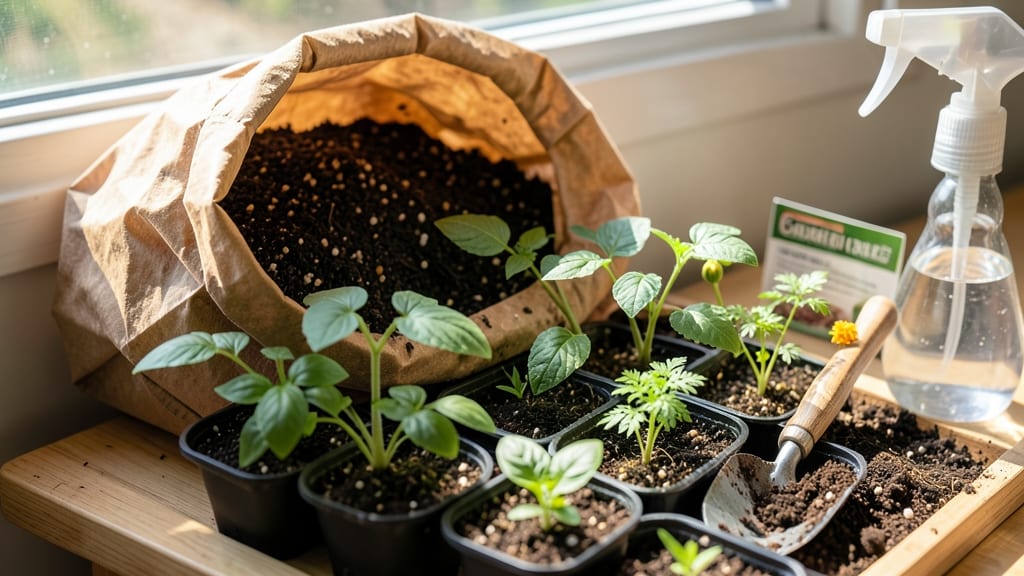
You can use potting soil to start seeds in a pinch, but it often causes drainage issues, compaction, and slower germination compared to specialized seed-starting mixes. For best results with delicate seedlings like herbs or lettuce, choose lightweight, sterile seedling soil instead.
While potting soil might seem like a convenient option, its heavier texture and higher organic matter content can suffocate young roots and trap excess moisture. 🌱 This leads to fungal growth or rot before seeds even sprout.
Seed-starting mixes are formulated with perlite, vermiculite, and peat moss to create an airy, sterile environment that encourages faster germination and healthier root development. For example, I’ve noticed basil seeds in potting soil take nearly twice as long to sprout compared to those in a proper seed-starting mix.
If you’re stuck with potting soil, you can improve its performance by mixing in 1 part perlite or coarse sand to 3 parts soil to boost aeration. Adding a thin layer of compost on top also provides gentle nutrients without overwhelming tender seedlings.
Just remember: even with amendments, potting soil won’t match the consistency or sterility of a dedicated seed-starting blend.
💡 In This Article
- Potting Soil vs Seed-Starting Mix: Key Differences Affecting Germination
- How to Modify Potting Soil for Seed Starting (When You Have No Choice)
Potting soil vs seed-starting mix: key differences affecting germination
Potting soil is designed for mature plants with established root systems, while seed-starting mixes prioritize the delicate needs of tiny seeds.
The key difference lies in texture: potting soil typically contains 20-30% organic matter (like compost or peat), which compacts as it breaks down, creating dense pockets that suffocate young roots.
Seed-starting mixes, however, blend 50-70% inorganic amendments like perlite or vermiculite to maintain an airy, 30-40% porosity structure—critical for oxygen flow to germinating seeds.
Moisture control is another critical factor. Potting soil's higher organic content holds water like a sponge, creating anaerobic zones where seeds rot before sprouting. Seed-starting mixes release moisture gradually through their fibrous structure, maintaining consistent 40-60% moisture retention without waterlogging.
For example, tomato seeds in potting soil often develop black mold within 5 days due to trapped moisture, while those in a proper mix sprout within 7-10 days with no fungal issues. 🌱
The nutrient profile also differs dramatically. Potting soil contains balanced, slow-release fertilizers (like 5-10-5 NPK ratios) that can overwhelm seedlings with excessive nitrogen, causing leggy growth. Seed-starting mixes use minimal fertilizer (often just 1-2-1 NPK) to prevent nutrient burn in tender roots.
This is why basil seedlings in potting soil often stretch 3x taller than those in seed-starting mix—seeking light due to unbalanced growth signals.
Sterility matters too. Potting soil frequently contains weed seeds or pathogens that can outcompete your seedlings. Seed-starting mixes undergo pasteurization to eliminate these contaminants, creating a sterile canvas for germination.
Even organic potting soils can harbor trichoderma fungi, which may not harm mature plants but can inhibit seedling root development by 20-30%.
Consider this comparison: a proper seed-starting mix has the texture of damp sandcastle material—light enough to crumble between fingers without sticking—while potting soil feels like damp clay. This structural difference directly impacts how easily roots penetrate the medium.
For instance, carrot seeds need this loose structure to develop their long taproots; in potting soil, they often grow crooked or stunted due to resistance.
For the best results, think of seed-starting mixes as the difference between running a marathon in lightweight shoes versus concrete blocks. The right medium makes the process effortless for your plants. 💫