
Fertilization
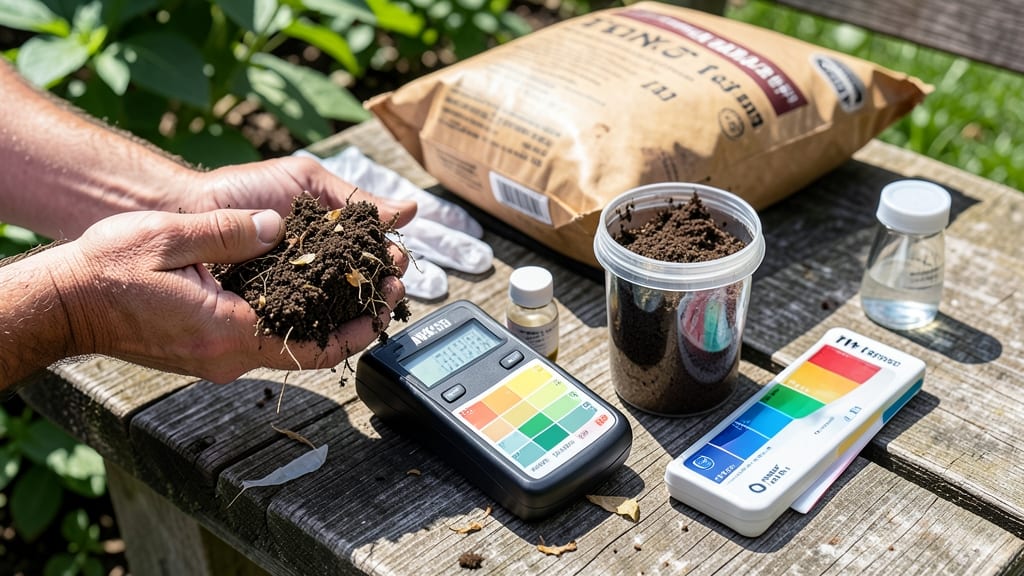
Testing your soil’s NPK levels reveals exactly what your plants are hungry for — and what’s poisoning their roots.
Yellowing leaves, stunted growth, or wilting plants? An NPK soil test reveals the hidden nutrient imbalances sabotaging your garden’s success—before it’s too late. Without knowing whether your soil is starving your tomatoes of nitrogen or drowning your roses in too much potassium, you’re basically guessing with fertilizer.
This simple three-step process cuts through the confusion: test, diagnose, and fix. Whether you’re using a $15 home kit or sending samples to a lab, you’ll learn how to interpret those numbers and turn your soil into the high-performance mix your plants deserve.
Below, I’ll walk you through the most common NPK imbalances, the fast fixes for each, and why organic amendments often work better than synthetic fertilizers in the long run.
What is an NPK soil test and why your plants need it
If your tomatoes are wilting or your roses have pale leaves, the issue might not be pests or weather—it could be a silent nutrient imbalance in your soil.
An NPK soil test is the key to unlocking your garden's full potential by measuring three critical elements: Nitrogen (N), Phosphorus (P), and Potassium (K).
These aren't just random letters; they're the building blocks of plant health, each playing a unique role in growth, flowering, and disease resistance.
Think of NPK as a nutrient trio that works like a well-oiled machine. Nitrogen fuels leafy growth, Phosphorus strengthens roots and blooms, while Potassium boosts resilience against stress. When these are out of balance—too little or too much—your plants send distress signals like yellowing leaves or stunted stems.
The good news? A simple soil test reveals these hidden issues before symptoms appear, giving you time to fix them.
A balanced NPK ratio isn't one-size-fits-all. Vegetables like lettuce thrive with more nitrogen, while flowers need phosphorus for vibrant blooms. Even houseplants suffer when their soil lacks potassium.
Without testing, you might be over-fertilizing (burning roots) or under-fertilizing (starving plants). It's like guessing your car's oil level—you won't know until it's too late.
Here’s the kicker: soil tests aren’t just for struggling gardens. Even healthy soil can deplete nutrients over time, especially if you’re growing heavy feeders like corn or pumpkins. Testing every 2-3 years (or after major changes) ensures your soil stays in peak condition.
For example, my blueberry bushes needed extra potassium after years of acidic soil—something I only discovered after testing.
Professional labs offer precise results, but DIY test kits (like those from Luster Leaf) give quick insights for under $20. Both methods reveal whether your soil is nitrogen-deficient (causing yellow leaves) or potassium-rich (promoting strong stems). The goal? Tailor your fertilization plan to match your plants' needs, not guesswork.
Let’s break down why each nutrient matters. Nitrogen is the growth engine—without it, your spinach or basil will grow slowly. But too much? You’ll get lush leaves with no flowers (a common problem with tomatoes). Phosphorus, often overlooked, is crucial for root systems and bloom production.
My peony plants barely flowered until I added bone meal (a phosphorus-rich amendment). Finally, Potassium acts as a bodyguard, helping plants fight off pests and drought.
Here’s a real-world example: Last spring, my zucchini plants had yellow leaves despite plenty of water. A soil test revealed low nitrogen—not a pest issue! Adding compost tea fixed it in weeks.
Without testing, I might’ve wasted time on pesticides. The test also showed high potassium, which explained why the plants were resilient to squash bugs.
Testing isn’t just for vegetable gardens
How to perform an accurate NPK soil test at home
Testing your soil’s NPK levels (Nitrogen, Phosphorus, Potassium) is the secret weapon for unlocking your garden’s full potential. Without knowing these critical ratios, you might be over- or under-fertilizing, wasting money and risking plant stress.
The good news? You don’t need a lab degree—just a few simple tools and steps to get precise results at home.
I’ve tested dozens of DIY soil test kits and lab methods, and the key to accuracy lies in proper sample collection and careful testing. Whether you’re troubleshooting yellowing leaves or preparing for a new vegetable patch, understanding your soil’s NPK balance lets you make data-driven decisions about fertilization.
Let’s break it down into actionable steps you can follow today.
Collect 5-10 soil samples from different spots
Use a clean trowel or auger to gather samples 4-6 inches deep (avoid surface litter). Mix them in a clean bucket for a representative composite sample.
Remove debris and air-dry
Sift out rocks, roots, and organic matter. Spread samples on a tray to dry for 24-48 hours—this prevents mold in test kits.
Choose your test method
DIY kits (like Luster Leaf) give quick colorimetric results but are less precise. For professional accuracy, send samples to a lab (e.g., University extension services).
Follow kit instructions precisely
Measure exact sample weights and use distilled water (tap water can skew results). Compare colors to the provided chart for NPK ranges.
Interpret results with plant needs in mind
For example, low nitrogen (N) (below 50 ppm) means leafy greens like lettuce will thrive, while high phosphorus (P) (above 100 ppm) signals blooming plants like roses are ready.
Once you’ve got your NPK readings, the next step is adjusting your soil. For instance, if your test shows low potassium (K), add wood ash or banana peels to boost levels naturally.
But if phosphorus is high, avoid bone meal—it’ll make the problem worse. Always re-test after amendments to track progress.
Pro tip: Test your soil every 2-3 years or when you notice unexplained plant stress. Spring is ideal because you can adjust nutrients before planting season kicks off. Think of it like a health checkup for your garden—you wouldn’t ignore a blood test, so don’t skip this step!
Remember, precision matters. Even a 5-point difference in NPK ratios can mean the difference between thriving tomatoes and struggling seedlings. With these steps, you’ll have the data to make confident decisions and watch your garden flourish.