
How To
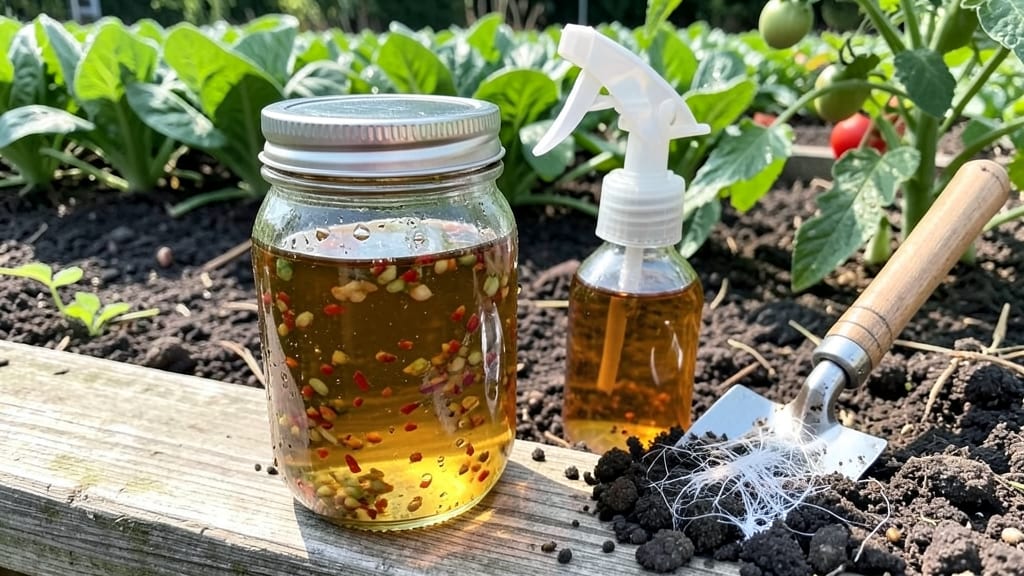
Natural soil fungicides prevent and treat fungal infections like powdery mildew, black spot, and root rot using safe, plant-friendly ingredients such as neem oil, baking soda, or compost tea without harsh chemicals.
These organic treatments work by disrupting fungal growth at its core.
Neem oil, for example, contains triterpenoids that puncture fungal cell walls, while baking soda raises soil pH to levels most pathogens can't tolerate. 🌱 The beauty of these solutions lies in their dual action: they suppress existing infections while strengthening plant immunity.
For best results, I recommend rotating between 2-3 different recipes seasonally to prevent fungal resistance from developing.
What sets these natural options apart is their compatibility with edible crops and beneficial soil microbes. Unlike synthetic fungicides that create chemical imbalances, organic alternatives like compost tea actually enhance microbial diversity, creating a more resilient garden ecosystem.
The key is consistency—apply preventatively every 2-4 weeks during peak fungal seasons (spring and fall) for optimal protection.
💡 In This Article
- How Household Ingredients Fight Fungal Pathogens
- DIY Soil Fungicide Recipes for Common Garden Problems
How household ingredients fight fungal pathogens
Neem oil works as a natural fungicide because it contains azadirachtin and nimbin, compounds that disrupt fungal cell membranes.
These molecules insert themselves into the lipid bilayer of fungal cells, creating microscopic holes that cause cellular contents to leak out. 🌿 Studies show neem oil can inhibit up to 90% of fungal spores within 24 hours when applied at a 1% concentration (1 tablespoon per quart of water).
The oil also interferes with fungal reproduction by mimicking plant hormones, confusing the pathogen's growth signals.
Baking soda's effectiveness comes from its ability to raise soil pH to levels most fungi can't tolerate. Most fungal pathogens thrive in slightly acidic conditions (pH 5.5-6.5), but baking soda creates a more alkaline environment (pH 7.5-8.5).
A 1 tablespoon per gallon solution applied as a foliar spray creates a protective film on plant surfaces that fungi struggle to penetrate. The sodium ions in baking soda also disrupt fungal metabolism, though it works best as a preventive measure rather than a cure for established infections.
Compost tea delivers a triple threat: it introduces beneficial microbes like Trichoderma and Bacillus subtilis that outcompete pathogens, provides antimicrobial compounds from decomposed plant matter, and stimulates plant immune responses.
The microbial population in properly brewed compost tea can reach 100 million colony-forming units per milliliter, creating a biological barrier against fungal invasion. Unlike chemical fungicides, compost tea doesn't kill indiscriminately—it establishes a balanced ecosystem where beneficial microbes dominate.
Garlic's active compound, alicin, acts as a natural fungicide by releasing sulfur compounds that interfere with fungal respiration. When blended into a spray with water and a bit of soap (to help it stick), garlic's antimicrobial properties can reduce fungal spores by 50-70% within 48 hours.
The sulfur compounds also trigger plant defense mechanisms, making the foliage more resistant to future infections. For best results, use freshly crushed garlic cloves rather than powdered forms, as the alicin concentration is highest in the fresh juice.
Hydrogen peroxide (3%) creates an oxidative environment that damages fungal cell walls through a process called oxidative stress. When diluted to 1 tablespoon per gallon of water, it breaks down into water and oxygen, leaving no toxic residues.
The oxygen bubbles also provide physical agitation that helps dislodge fungal spores from plant surfaces. This makes it particularly effective for treating established infections on leaves, though it should be applied in the early morning or late evening to avoid damaging plant tissues in direct sunlight.
What these ingredients share is their ability to target fungal pathogens without harming beneficial soil organisms or plants themselves.
The key difference lies in their mechanisms: some disrupt cellular structures (neem oil), others alter environmental conditions (baking soda), while compost tea and garlic work through biological competition and stimulation of plant defenses.
This multi-pronged approach is why rotating between these methods provides the most comprehensive protection against fungal diseases in the garden.