
How To
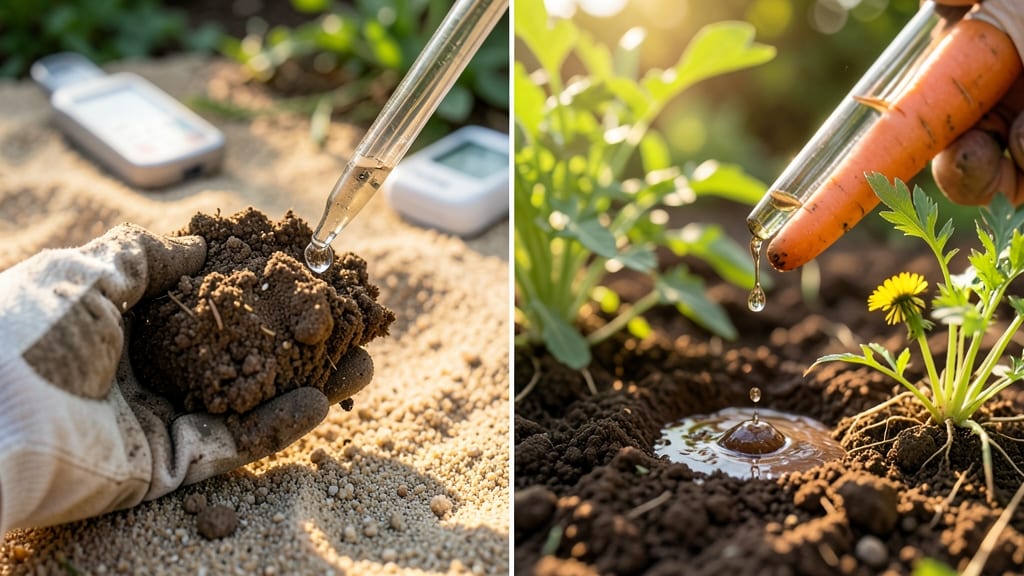
Perfect soil starts with the right loamy soil texture—where roots thrive like they're on a five-star vacation. 🌱 I spent years wrestling with clay that baked into bricks and sand that drained faster than my patience, until I finally cracked the code: the ideal balance of sand, silt, and clay that holds moisture, drains well, and feeds plants without spoiling them.
This isn't about fancy tests or lab reports—just a simple squeeze. Healthy loam feels like a damp sponge: crumbly when dry, slightly sticky when wet, and rich enough to make your thumb come away with dark streaks. The payoff?
Plants grow stronger, deeper roots anchor them against drought, and you spend less time babying wilting seedlings. For clay-heavy soil, mix in 3-4 inches of compost and a little sand; for sandy soil, add peat moss or aged manure to hold onto nutrients.
Even my stubborn garden transformed after one season—tomatoes went from sad to showstopping, and my herbs finally stopped bolting by July. The best part? This works for vegetables, flowers, and lawns alike. Let's get your soil working for you instead of against you.
📚 In This Guide
- What you need
- Instructions
- Tips and common mistakes
- Wrapping up and next steps
What you need
- ● Topsoil (sandy or clay-heavy): 1–2 cubic yards (enough to fill a 4’x8’ bed to 12” depth). Check local soil composition—sandy or clay soil is ideal for balancing.
- ● Compost: 1–2 bags (or 10–20 gallons of homemade compost). Aim for well-aged, nutrient-rich compost (3–5% nitrogen).
- ● Organic matter: Peat moss or coconut coir: 1–2 bags (for moisture retention)
- ● Leaf mold or shredded hardwood mulch: 1–2 bags (for structure)
- ○ Balanced fertilizer: 1–2 lbs of 10-10-10 or 5-5-5 organic fertilizer (e.g., alfalfa meal or bone meal). Optional but recommended for nutrient boost.
- ● Garden fork or tiller: 1 (for aerating and mixing)
- ● Garden shovel: 1 (for digging and layering)
- ● Wheelbarrow: 1 (to haul materials)
- ○ Soil pH test kit: 1 (optional but helpful for fine-tuning)
- ● Gloves & knee pads: 1 pair each (for comfort)
- ● Test your current soil’s texture (squeeze a handful—if it crumbles like sand or sticks like clay, you’re ready to amend!).
- ● Choose a sunny or partially shaded spot (loamy soil thrives in moderate light).
- ● Clear debris (rocks, weeds, or roots) from the work area.
How to achieve perfect loamy soil texture in your garden
Here's the simple method I use to transform any soil into the ideal root-friendly loam.
🌱 Step 1: Test Your Current Soil Texture
Grab a handful of moist soil and squeeze it gently. If it crumbles easily when dry, you likely have sandy soil. If it forms a tight ball that doesn't break apart, it's probably clay. The perfect loam should hold its shape when squeezed but crumble with light pressure—like a damp sponge.
Dig a small hole about 6 inches deep and examine the layers. Loamy soil has equal parts sand, silt, and clay particles that create a balanced structure. You'll notice roots growing easily through it, not struggling through dense clay or washing through sand. This test reveals where you need to adjust your soil composition.
🪴 Step 2: Amend the Soil with Organic Matter
Spread a 2-3 inch layer of well-rotted compost or aged manure over the garden bed. This organic matter breaks down to create the perfect balance of nutrients and structure. Work it into the top 6-8 inches of soil using a garden fork or tiller—you want it thoroughly mixed but not compacted.
For sandy soil, add 20% more compost to help retain moisture. For clay soil, mix in 10% coarse sand or perlite to improve drainage. The goal is to create a soil that holds moisture without becoming waterlogged, while still allowing air to reach the roots. This step is where the magic happens for root development.
☀️ Step 3: Balance with Mineral Additions
Add 1 part peat moss or coconut coir to every 3 parts soil to improve water retention and aeration. This helps sandy soils hold moisture longer and prevents clay soils from becoming too dense. Mix it in evenly with your compost to create a uniform texture throughout the amended area.
For heavy clay soils, incorporate 1 part coarse sand or builder's sand per 2 parts soil to create larger pores. You'll notice the soil becomes easier to work with—it won't stick to your shovel or form hard clods. The ideal loam should feel soft and crumbly, like a well-worn path in a park.
💧 Step 4: Test and Adjust Moisture Retention
Water the amended soil thoroughly until it's 2-3 inches deep and then let it dry slightly. The perfect loam should feel slightly damp but not soggy when you squeeze it. If water runs through immediately, you need more organic matter. If it stays clumpy and wet, add more sand or perlite to improve drainage.
I like to perform a simple jar test: Fill a clear jar with your amended soil, add water, and shake it well. Let it settle for 24 hours. You should see distinct layers: sand at the bottom, silt in the middle, and organic matter floating on top. The ideal loam will have roughly equal proportions of each layer. This visual test confirms you've achieved the perfect balance.
⏰ Step 5: Maintain Your Loamy Soil
After establishing your loamy soil, maintain it by adding 1-2 inches of compost annually to replenish organic matter. This keeps the soil structure intact and provides continuous nutrients for plant roots. Mulch with 2-3 inches of organic mulch like wood chips or straw to protect the soil from erosion and temperature extremes.
Regularly check soil moisture by inserting your finger 1-2 inches deep. Loamy soil should stay moist but not waterlogged. If you notice compaction over time, aerate the soil with a garden fork in the spring to maintain proper structure. With proper maintenance, your loamy soil will support thriving plants for years to come.
Tips & tricks for perfect loamy soil texture
Transforming your garden soil into ideal loam takes more than just mixing ingredients—it's about understanding the science behind the process.
Visual Cues for Step 1: In Step 1, when you squeeze that handful of soil, think of it like testing cake batter consistency. Sandy soil should feel like dry flour, while clay feels like wet cement. The perfect loam should hold together gently but crumble when you press lightly—like a well-made cookie dough. This texture test is your first clue about what amendments you'll need.
Layering Technique in Step 2: When working the 2-3 inch layer of compost into the top 6-8 inches of soil, think of it like making a lasagna. Each layer should blend seamlessly—compost on top, then the existing soil beneath. Use a garden fork to gently lift and mix, rather than digging aggressively. This prevents compacting the soil while ensuring even distribution of nutrients. For sandy soils, work that extra 20% compost into the lower layers first to create a moisture-retaining base.
Mineral Balance in Step 3: The 1:3 ratio of peat moss to soil might seem precise, but don't stress about exact measurements. What matters more is achieving that "squeezable but crumbly" texture. For clay soils, mix in that 1 part sand gradually—start with half the amount and test the texture before adding more. You'll know you've hit the right balance when your shovel glides through the soil without sticking, and the clods break apart easily with your fingers.
Jar Test Secret: The 24-hour jar test reveals more than just layer proportions. Pay attention to how quickly the water drains through the layers. If water runs through in under 10 minutes, you need more organic matter. If it barely drains after 24 hours, add more sand or perlite. This test gives you a visual confirmation that matches what your plants will experience—proper drainage with moisture retention.
Pro Tips for Loamy Soil Texture
- Transforming your garden soil into ideal loam takes more than just mixing ingredients—it's about understanding the sc...
- Visual Cues for Step 1: In Step 1, when you squeeze that handful of soil, think of it like testing cake batter consis...
- Layering Technique in Step 2: When working the 2-3 inch layer of compost into the top 6-8 inches of soil, think of it...
Frequently asked questions
Got questions about loamy soil texture? You’re not alone! Whether you’re testing your garden’s health or troubleshooting plant struggles, here are answers to the most common queries—no green thumb required.
What exactly makes soil “loamy,” and how do I test for it?
Loamy soil is the Goldilocks of textures—40% sand, 40% silt, and 20% clay. To test it, grab a moist handful: it should hold shape when squeezed but crumble easily. If it sticks like clay or falls apart like sand, you’ll need amendments (like compost or perlite) to balance it. Try the ribbon test for a quick DIY check!
How long does it take to improve soil texture with compost?
Patience is key! With regular additions (every 3–6 months), compost can transform heavy or sandy soil in 1–2 years. For faster results, mix in 2–3 inches of compost into the top 6–12 inches of soil before planting. Pro tip: Worm castings speed up the process by boosting microbial activity.
Can I grow anything in loamy soil, or are some plants pickier?
Loamy soil is universally forgiving, but most plants thrive in it—from veggies (tomatoes, peppers) to ornamentals (roses, hydrangeas). Pickier plants like blueberries (acid-loving) or cacti (drainage-focused) may need minor tweaks, like peat moss or sand. For 90% of gardens, though? Loam = low-maintenance success!
What’s the fastest way to fix soil that’s too sandy or clay-heavy?
For sandy soil, add organic matter (compost, leaf mold) to boost water retention. For clay soil, mix in gypsum or coarse sand to break up compaction. Quick fix: Double-digging (6–12 inches deep) with amendments works faster than top-dressing alone. Rototilling can help, but hand-mixing preserves soil structure better.
My plants look healthy, but growth is slow—could loamy soil be the issue?
Slow growth in loamy soil usually points to nutrient deficiencies (not texture!). Test your soil’s pH (6.0–7.0 is ideal) and add a balanced fertilizer or organic amendments like bone meal (for phosphorus) or kelp meal (for micronutrients). Check for: Overwatering (root rot) or underwatering (wilting).
Still stumped?
Drop your soil’s “behavior” (sticky? crumbly?) in the comments—we’ll help diagnose!
Wrapping up and next steps
Loamy soil texture is your garden’s secret weapon—balancing drainage, aeration, and nutrient retention like no other. Whether you’re a seasoned gardener or just starting, understanding this ideal blend empowers you to cultivate healthier plants with less effort. 🌱
Ready to transform your garden? Test your soil today—use a simple jar method or grab a soil kit—and adjust with compost or organic matter to hit that perfect loamy balance. Your plants (and future harvests) will thank you!