
How To
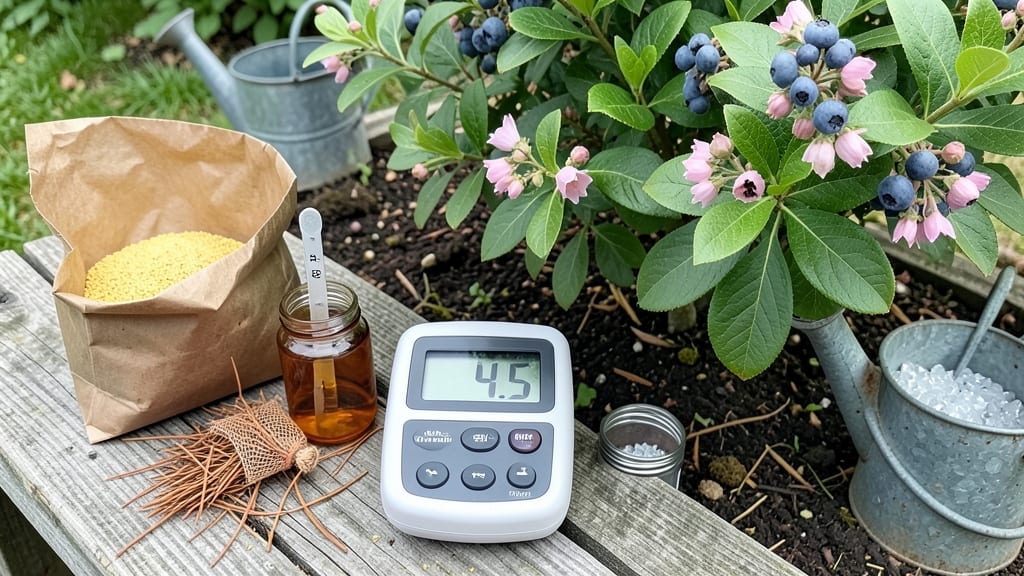
Your azaleas are begging for how to decrease soil pH—lowering soil acidity isn’t as scary as it sounds. 🌿 I’ve saved my blueberry bushes from stunted growth twice using these simple, lime-free methods that work in weeks, not months.
The key is choosing the right amendment: elemental sulfur for slow, steady change or peat moss for quick fixes. Test your soil first (pH below 6.0? You’re in the right ballpark for acid-loving plants). I use a basic kit from the garden center—no fancy lab needed.
By the end of summer, your plants will show it: deeper green leaves, bigger blooms, and berries that actually ripen. The secret is patience—sulfur takes 2-3 months to fully acidify, but it’s worth the wait for that thriving garden.
Works for containers too, so even patio gardeners can grow acid-loving favorites. Let’s get those needles turning back to green!
📚 In This Guide
- What you need
- Instructions
- Tips and common mistakes
- Wrapping up and next steps
What you need
- ● Sulfur (powdered or granular): The go-to for lowering pH. Aim for 1–2 pounds per 100 square feet of garden bed (adjust based on your soil’s current pH). Pro tip: Use 90% pure agricultural sulfur for best results.
- ● Elemental sulfur or aluminum sulfate: A faster-acting alternative (especially for quick fixes). Use 5–10 pounds per 100 sq ft, depending on severity.
- ○ Soil pH test kit: A digital or liquid test kit (like LaMotte or MySoil) to monitor progress. Optional but highly recommended!
- ● Garden gloves and safety goggles: Protect yourself when handling sulfur or aluminum sulfate.
- ● Garden fork or tiller: For mixing amendments 6–12 inches deep into the soil.
- ● Watering can or hose: To hydrate the soil after applying amendments (sulfur needs moisture to activate!).
- ● Peat moss or pine needles: Natural, slow-release acidifiers. Mix in 1–2 inches per square foot for organic gardens.
- ● Compost or well-rotted manure: Adds organic matter while indirectly lowering pH over time (best for long-term projects).
- ● pH buffer solution: For calibrating your test kit (check kit instructions).
- ● Soil moisture meter: Ensures your soil is moist (not soggy) before and after treatment.
Step-by-step instructions for lowering soil pH naturally
Here's how to drop your soil's acidity fast—without lime—using organic methods that work in weeks.
🌱 Step 1: Test Your Soil's Current pH
Before making changes, grab a soil pH test kit (digital or liquid) and take a sample from 4-6 inches deep. I like to test in spring before planting and again in fall—this tells me exactly how much adjustment I need. Most acid-loving plants like blueberries, azaleas, and hydrangeas thrive at 4.5-5.5 pH.
If your reading is above 6.0, you'll need to lower it. Take notes on the exact pH level—this helps track progress. I test again after 4-6 weeks to see how much the pH has dropped. The goal is to reach your target range without overshooting, which can harm plants.
💧 Step 2: Add Organic Matter to Acidify Soil
Spread a 2-inch layer of organic material over the soil surface—think pine needles, peat moss, or well-rotted pine bark. These materials release acids as they decompose, naturally lowering pH. I like to use pine needles because they're free if you have pine trees nearby, and they break down slowly over months.
Work the material into the top 6 inches of soil using a garden fork. Avoid tilling if possible—this keeps soil structure intact while allowing the organic matter to integrate. Water the area thoroughly after mixing to help the process along. You'll see the biggest pH drop within 4-6 weeks, but it continues over time.
☀️ Step 3: Use Acidifying Fertilizers and Mulches
Switch to an acid-forming fertilizer like cottonseed meal or sulfur-coated urea. These fertilizers not only feed plants but also lower soil pH as they break down. Apply according to package instructions—usually 1-2 pounds per 100 square feet for cottonseed meal. I like to mix it into the soil in early spring before planting.
Top-dress with pine bark mulch (about 3-4 inches deep) around your acid-loving plants. This mulch continues to acidify the soil over time while suppressing weeds. Replenish the mulch layer every 6-12 months to maintain the effect. You'll notice plants like hydrangeas developing deeper blue blooms within a season if the pH is right.
⏰ Step 4: Monitor and Adjust Over Time
Retest your soil's pH after 4-6 weeks to see how much it's dropped. If it hasn't reached your target range, repeat the process—adding more organic matter or fertilizer as needed. I've found that consistent monitoring is key; some soils respond faster than others depending on their composition.
For container plants, mix sphagnum peat moss into the potting mix (about 20% of the total volume) to maintain acidity. Water with rainwater or distilled water if possible—tap water often contains minerals that raise pH. You'll know you're on the right track when your acid-loving plants show signs of thriving, like vibrant foliage and abundant blooms.
Tips & tricks for lowering soil pH naturally
These quick adjustments will help you see real results faster with your acid-loving plants.
Testing Timing: I test my soil twice a year—once in spring before planting and again in fall after harvest. This gives me a clear baseline to track progress, especially after applying acidifying materials. The 4-6 week retest window is crucial because it accounts for the time organic matter needs to break down and affect pH levels. Don't rush this step—patience pays off with accurate results.
Layering Organic Matter: When spreading that 2-inch layer of pine needles or peat moss, I like to work it into the top 6 inches of soil using a garden fork rather than tilling. This preserves soil structure while allowing the acidifying materials to integrate properly. For faster results, I sometimes add a second layer after 6 weeks if my test shows the pH hasn't dropped enough.
Fertilizer Application: For the 1-2 pounds per 100 square feet of cottonseed meal, I spread it evenly and lightly scratch it into the top inch of soil. This gentle incorporation prevents clumping while maximizing contact with soil microbes that help break down the fertilizer. I apply it in early spring when plants are just starting to grow—this gives the acidifying process time to work before the growing season peaks.
Container Plant Care: When mixing 20% sphagnum peat moss into potting soil for containers, I like to add a bit of rainwater when mixing—it helps activate the peat moss's acidifying properties right away. For container plants, I test their soil every 3 months because they dry out faster and lose acidity more quickly than in-ground plants. This frequent monitoring keeps your container garden thriving year-round.
Pro Tips for Decrease Soil Ph
- These quick adjustments will help you see real results faster with your acid-loving plants.
- Testing Timing: I test my soil twice a year—once in spring before planting and again in fall after harvest. This give...
- Layering Organic Matter: When spreading that 2-inch layer of pine needles or peat moss, I like to work it into the to...
Frequently asked questions
How long does it take to lower soil pH?
Lowering soil pH isn’t instant—it can take weeks to months, depending on your soil type and the amendment used. Sandy soils respond faster (2–4 weeks) because they drain quickly, while clay soils may take 2–3 months. Test your soil again after 6–8 weeks to check progress.
Can I lower soil pH too much?
Yes! Overly acidic soil (pH below 5.0) can harm plants by locking out essential nutrients like phosphorus, calcium, and magnesium. Aim for a target pH (e.g., 4.5–6.0 for most acid-loving plants) and monitor with a soil test kit. If pH drops too low, amend with lime or wood ash to raise it gently.
What if my plants need acidic soil but my garden is already too acidic?
If your soil is too acidic (pH < 5.0), focus on improving drainage and adding organic matter (like compost or pine needles) to buffer pH naturally. Avoid sulfur-based amendments—opt for elemental sulfur sparingly (½ lb per 100 sq ft) and retest soil in 3–4 months.
Are there natural ways to lower pH without chemicals?
Try these organic methods:
- Pine needles or oak leaves: Spread a 2–3 inch layer around plants—they release tannins that acidify soil over time.
- Coffee grounds: Mix into soil (½ cup per plant) or use as mulch—they’re slightly acidic and add nitrogen.
- Peat moss: Blend 1–2 inches into garden beds (best for containers or new plantings).
- Vinegar (diluted!): Spray a 1:10 vinegar-to-water mix on soil (not ideal for long-term use but helps in a pinch).
How often should I test soil pH after amending?
Test soil every 6–8 weeks until you hit your target pH. After that, check annually or before planting new acid-loving species (like blueberries, azaleas, or potatoes). Soil pH can shift with rain, organic matter breakdown, or fertilizer use—stay proactive!
Pro Tip:
For container gardens, use a pH meter or test kit designed for pots—they dry out faster, so amendments may need reapplication every 3–6 months. Mix amendments directly into the potting soil for even distribution!
Wrapping up and next steps
Lowering your soil’s pH doesn’t have to be complicated—just consistent and plant-focused! By using organic amendments like sulfur, pine needles, or composted leaves, you’re not just tweaking numbers—you’re nurturing a thriving ecosystem for acid-loving plants.
Start small, test often, and let your garden’s health guide your next steps. You’ve got this! 🌱✨
Ready to see real progress? Grab a soil pH test kit and check your results in 4–6 weeks. Every little adjustment brings you closer to that perfect, vibrant garden!