
Light Requirements
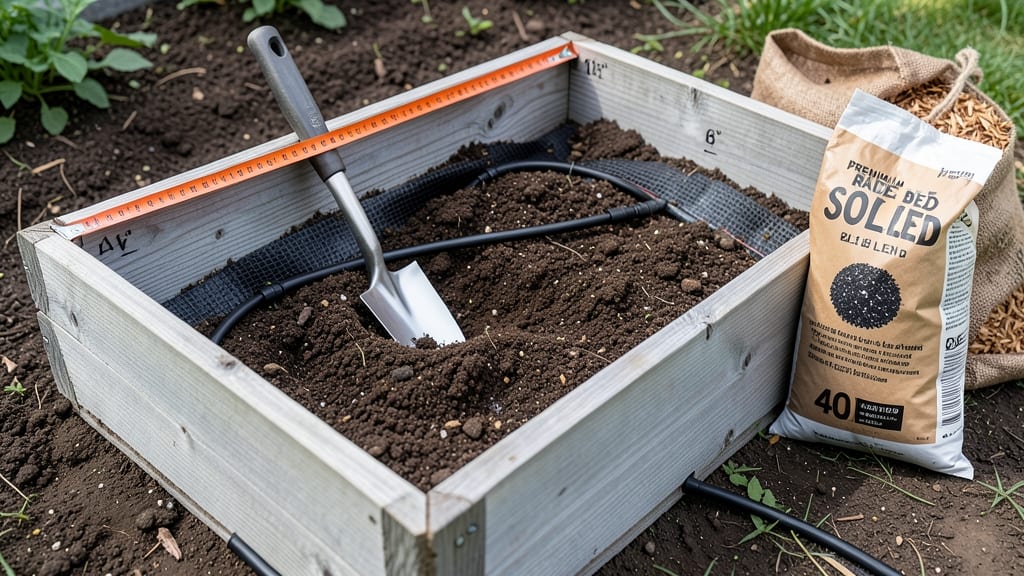
To determine how much soil for raised bed, plan for 6 to 12 inches of high-quality soil mix to support healthy root development and proper drainage, with deeper beds (12+ inches) best suited for vegetables and deep-rooted perennials. Calculate your soil volume by multiplying the bed's length, width, and depth (e.g., a 4x8x12-inch bed requires approximately 3.5 cubic feet of soil).
Soil depth directly impacts plant health—shallow beds (<6 inches) may work for herbs or strawberries, but most vegetables need at least 10-12 inches to thrive. 🌱 The extra depth improves aeration and moisture retention, especially in hot climates where soil dries out faster.
I always recommend testing your soil's drainage first: if water pools after 30 minutes, amend with compost or perlite to create a looser mix that roots will love.
For custom beds, start by measuring your space in feet (not inches) to avoid underestimating volume. A 4x8-foot bed with 12-inch depth needs about 32 cubic feet of soil—roughly 1.2 cubic yards. Pro tip: buy 10-15% more soil than calculated to account for settling and uneven edges.
Many garden centers sell soil by the cubic yard, so knowing these conversions saves you trips back for more!
💡 In This Article
- Optimal Raised Bed Soil Depth for Plant Types
- Calculating Soil Volume for Custom Raised Bed Sizes
Optimal raised bed soil depth for plant types
Soil depth in raised beds isn't just about filling space—it's about creating a thriving ecosystem for roots. Plants absorb water and nutrients through their root zones, and deeper soil means more room for expansion.
For example, carrots and potatoes need 12+ inches of loose, well-draining soil to develop their edible roots without becoming stunted or forked. Shallow-rooted plants like lettuce or radishes thrive in just 6 inches, but even they benefit from extra depth during hot summers when moisture evaporates faster. 🌱
The science behind this involves three key factors: aeration, moisture retention, and temperature regulation. Deeper soil (12+ inches) allows roots to escape heat stress during summer and prevents waterlogging in rainy seasons.
A 10-inch-deep bed with 30% organic matter (like compost) can hold up to 20% more water than sandy native soil, reducing irrigation needs by 30-40%.
The ideal texture is a mix of 40% topsoil, 30% compost, and 30% perlite or vermiculite for aeration—this balance mimics the natural forest floor where plants thrive.
Here's what happens when depth is insufficient: shallow beds (<6 inches) force roots to compete for nutrients near the surface, leading to leggy plants or poor yields.
I've seen tomato plants in 8-inch beds produce 25% fewer fruits than identical plants in 12-inch beds because the roots couldn't explore enough volume. For perennials like asparagus, which send roots 3-4 feet deep over years, start with a 12-inch minimum and plan for future expansion.
The rule of thumb: match soil depth to the plant's mature root depth plus 2-3 extra inches for stability.
Consider these plant categories and their ideal depths:
- Vegetables (tomatoes, peppers, carrots): 10-12 inches—supports robust root systems and prevents soil compaction
- Herbs (basil, parsley, cilantro): 6-8 inches—shallow roots but benefits from extra moisture
- Perennials (asparagus, rhubarb): 12+ inches—accounts for years of root growth
- Strawberries/Fruits: 8-10 inches—prevents crown rot from sitting in wet soil
For containers or small beds, amending the soil with 2-3 inches of compost at planting time can compensate slightly for limited depth, but it's no substitute for proper volume.
The texture matters too: clay-heavy soils should be amended with 20-30% sand or coconut coir to prevent waterlogging, while sandy soils need 40% organic matter to retain moisture. Always mix amendments thoroughly—uneven distribution creates pockets where roots struggle to penetrate. 💫
Pro tip: if your bed sits on hardpan (compacted native soil), consider adding 4-6 inches of landscape fabric before filling to prevent roots from growing downward into less fertile layers. This creates a clean root zone where your plants can focus all their energy on upward growth.
For tropical plants like okra or sweet potatoes, deeper beds also help regulate soil temperature, keeping roots cooler in summer and warmer in spring. The deeper the soil, the more resilient your garden becomes to climate extremes.