
How To
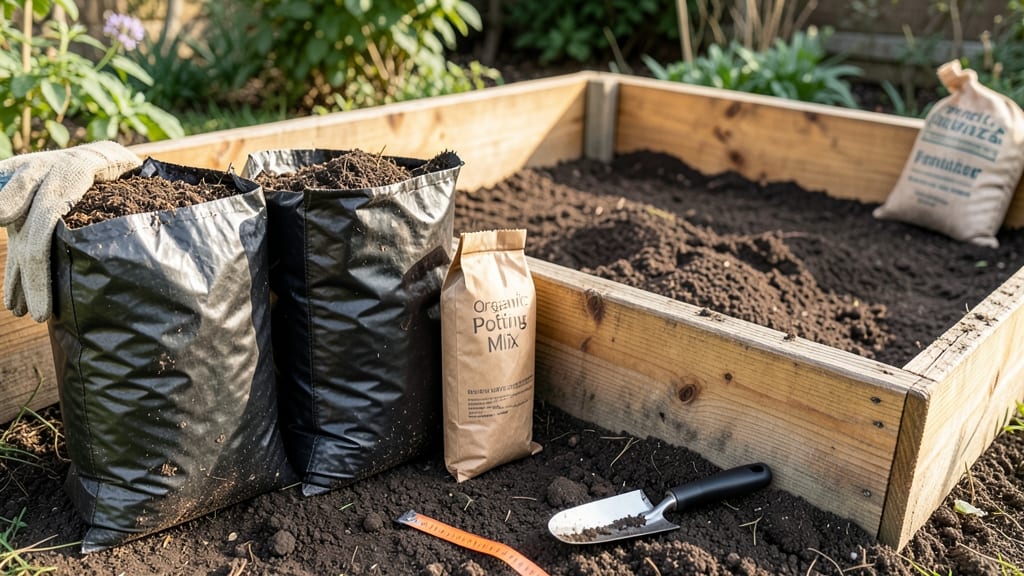
Calculating how many bags of soil for a raised bed starts with measuring your bed’s dimensions: multiply length × width × depth (in feet) to find cubic feet, then divide by a bag’s volume (typically 2 cubic feet per 40-pound bag). For a standard 4’×8’×12” bed, you’ll need 16 bags of garden soil.
Raised beds need the right soil mix to thrive, and getting the volume right prevents waste or shortages. 🌱 First, account for soil type—heavy garden soil bags (2 cubic feet each) work for most plants, but lighter mixes (like those for succulents) may require more bags.
For example, a 4’×8’×12” bed holds 32 cubic feet, but after settling, you’ll need about 16 bags of standard soil. Pro tip: Add 10-20% extra for amendments like compost or mulch, especially if your plants are heavy feeders like tomatoes or peppers.
Different plants demand different soil blends. Vegetables need loose, nutrient-rich mixes, while perennials do well with balanced soil. Succulents? They prefer fast-draining mixes, which often come in smaller bags. Always check the soil’s intended use before calculating—this ensures your garden stays healthy without overbuying.
💡 In This Article
- Calculating Raised Bed Soil Volume by Dimensions
- Best Soil Types and Quantities for Different Plants
Calculating raised bed soil volume by dimensions
To determine how many bags of soil your raised bed needs, start by measuring its length, width, and depth in feet. For example, a 4-foot-long by 8-foot-wide bed filled to a 12-inch depth (which is 1 foot) equals 32 cubic feet of space.
This calculation is critical because soil volume isn’t just about the bed’s surface area—depth matters just as much. 🌱 Most garden soil bags cover 2 cubic feet, so you’d need 16 bags for this standard size. However, this is a rough estimate before accounting for soil compaction or amendments.
Soil doesn’t fill space perfectly—it settles over time, especially when watered or mixed with compost. A common rule of thumb is to add 10-20% extra soil to your calculation to account for this settling. For our 32 cubic feet example, that means buying 18-20 bags instead of 16.
This extra cushion ensures your plants have enough root space without running out mid-season. Additionally, if you’re adding compost or mulch (which are often mixed into the soil), factor in their volume too—compost can take up 30-50% more space than finished soil when loose.
Depth is another game-changer. While a 12-inch depth is standard for most vegetables, deeper beds (18+ inches) are ideal for root crops like carrots or potatoes. A deeper bed increases the cubic feet calculation significantly—an 18-inch depth in the same 4’×8’ bed would require 40 bags of soil.
Always measure depth from the bottom of the bed to the top edge, not just the height of the soil already in place. This precision prevents underestimating and ensures your plants have the room to grow.
Not all soil bags are created equal. Premium potting mixes or specialty soils (like those for succulents or acid-loving plants) often come in smaller bags (1 cubic foot or less). For instance, a 1-cubic-foot bag would require 32 bags for the same 4’×8’×12” bed.
Always check the label for actual volume per bag, not just weight—some bags labeled "40 pounds" might only cover 1.5 cubic feet. This detail can save you from buying too much or too little, especially for larger beds.
Pro tip: Use a soil calculator or spreadsheet to automate these calculations. Plug in your bed’s dimensions, desired depth, and the cubic feet per bag, then let the tool adjust for compaction and amendments. This method is foolproof for custom-sized beds or DIY projects where standard dimensions don’t apply.
For instance, a circular raised bed with a 6-foot diameter and 12-inch depth would need ~12 bags of standard soil—calculating this manually requires breaking the circle into sections or using the formula for the volume of a cylinder.
Finally, consider the texture and moisture retention of your soil. Sandy soils drain quickly but may need more frequent watering, while clay-heavy mixes hold moisture but can suffocate roots.
If your native soil is poor, mixing in amendments like perlite or coconut coir can improve aeration, but these add bulk—factor in their volume too. For example, adding 10% perlite to your soil mix could increase your total bag count by 2-3 extra bags for the same bed.