
Light Requirements
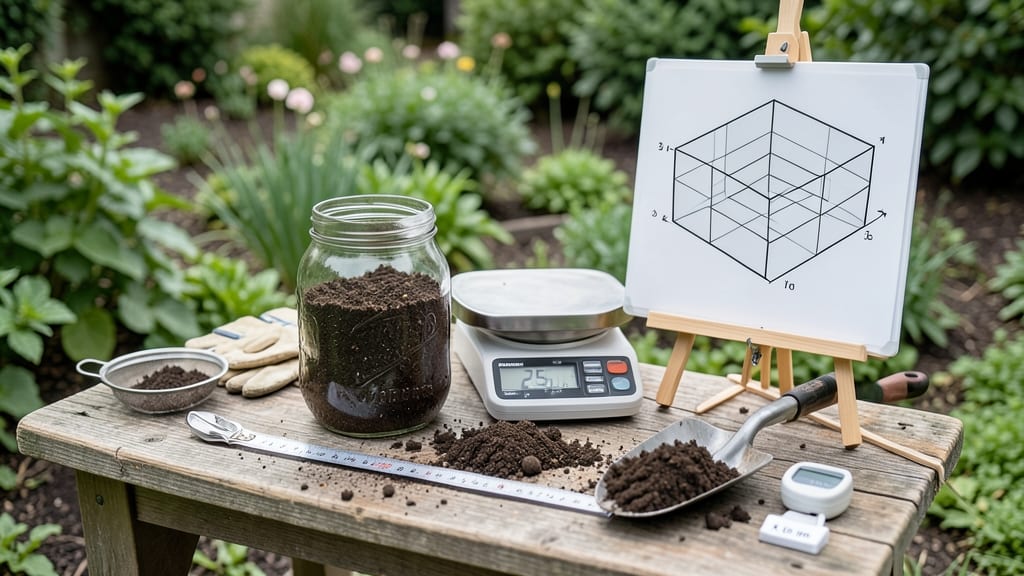
Soil weight per cubic yard varies significantly by composition: dry topsoil typically weighs between 2,000–2,300 pounds, while clay soil can exceed 2,700 pounds, and moisture levels add 50–100 pounds per 10% saturation. Loam averages 2,200–2,400 pounds when compacted.
Understanding soil weight is crucial for projects like gardening or construction, where accuracy matters. The variations stem from particle density—clay's fine particles pack tightly, while sandy soil has larger gaps.
Moisture plays a huge role too: even a 10% increase in saturation can add hundreds of pounds to your cubic yard. For example, a truckload of clay soil might weigh over 3,000 pounds when wet, compared to 2,500 pounds when dry.
Always check moisture content before calculating—it's the difference between a manageable load and an overburdened vehicle. 💫
Most landscapers use these weights to estimate delivery costs or foundation needs. A raised garden bed might require 10–15 cubic yards of loam, translating to roughly 22,000–30,000 pounds—that's why knowing exact weights prevents surprises during project planning.
For precise measurements, consider using a soil density calculator or consulting local suppliers, who often provide moisture-adjusted weights based on regional conditions.
💡 In This Article
- Soil Density and Weight Variations by Composition
- Practical Soil Weight Calculations for Landscaping Projects
Soil density and weight variations by composition
Soil weight per cubic yard isn't just about dirt—it's a science of particle size, organic content, and how tightly those particles pack together.
Clay soil, with its microscopic particles, can reach 2,700 pounds per cubic yard because those tiny platelets stack like pages in a book, leaving almost no air gaps.
In contrast, sandy soil has larger particles with more space between them, weighing only 1,600–1,800 pounds—about the weight of a small car—when dry. The key difference? Clay's surface area is massive, allowing it to hold more water and weigh significantly more when saturated.
Moisture is the wild card in soil weight calculations. A 10% increase in moisture content can add 100–200 pounds to a cubic yard of loam, turning a manageable load into a heavy one. This happens because water fills the pores between soil particles, displacing air and increasing overall density.
For example, a cubic yard of dry loam might weigh 2,200 pounds, but after a heavy rain, that same volume could tip the scales at 2,500 pounds.
Organic matter—like decomposed leaves or compost—also affects weight, adding 50–100 pounds per cubic yard due to its lighter, porous structure compared to mineral particles.
Compaction plays a surprising role too. When soil is compacted—whether by machinery or foot traffic—the particles get pushed closer together, reducing air pockets and increasing weight.
A compacted cubic yard of clay soil can weigh 3,000 pounds or more, while the same soil in a loose state might only hit 2,500 pounds. This is why construction sites often specify "compacted fill dirt" in project plans—the weight difference matters for structural stability and transportation logistics.
For gardeners, this means tilling or aerating soil can actually reduce its weight per cubic yard by creating more air space.
Here’s how these factors compare in real-world scenarios:
- Clay soil: 2,700–3,000 pounds (compacted, wet) vs. 2,400–2,700 pounds (dry)
- Loam (ideal garden soil): 2,200–2,400 pounds (dry) vs. 2,500–2,700 pounds (moist)
- Sandy soil: 1,600–1,800 pounds (always lighter due to low moisture retention)
Understanding these variations helps avoid costly mistakes. For instance, a truck designed to carry 2,500 pounds of soil might struggle with wet clay, while sandy soil would be well within limits. Always account for moisture—it’s the single biggest factor in soil weight fluctuations. 💫
For precise planning, consider using a soil density test kit or consulting local agricultural extensions. They often provide regional soil profiles that include moisture-adjusted weights, saving you from guesswork during projects.
Whether you're building a foundation or filling a garden bed, knowing these details ensures your calculations—and your project—stay grounded. ✨