
Light Requirements
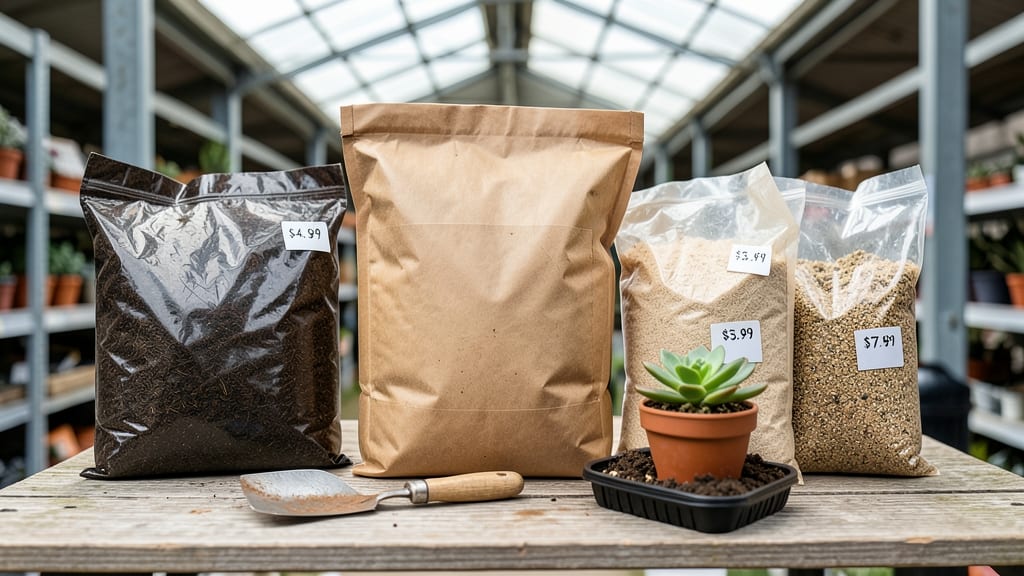
A bag of soil typically costs between $2 and $10, depending on type—potting mix runs $3–$6, garden soil $2–$5, and specialty blends like cactus or compost-enriched mixes $7–$12. Bulk discounts reduce per-unit costs at garden centers or online retailers like Home Depot or Lowe’s.
Understanding soil pricing helps you budget for gardening projects without overspending.
The cost varies widely based on ingredients—organic compost or coconut coir blends often cost more due to processing, while basic garden soil stays affordable. 🌱 For example, a 5-gallon bag of standard potting mix might run $4–$5, but a 40-pound bag of premium compost could hit $10+.
Buying in bulk or during seasonal sales at garden centers can cut costs significantly, especially for large projects like raised beds or landscape renovations.
If you're working with a tight budget, consider mixing your own soil using yard waste compost or peat moss—both are cheaper than pre-mixed bags and often more nutrient-rich. Just be mindful of local regulations if sourcing compost from municipal programs.
For specialty needs like cactus soil or hydroponic mixes, expect to pay more since they require specific additives like perlite or sand.
💡 In This Article
- Soil Cost Breakdown by Type and Quality
- Best Places to Buy Soil Cheaply
Soil cost breakdown by type and quality
The price of soil depends entirely on its composition and intended use. Potting mixes—designed for containers and packed with moisture-retentive ingredients like peat moss or coconut coir—typically cost $3–$6 per 2–4 cubic feet bag because they require sterile, lightweight materials to prevent compaction.
For example, a 4-quart bag of Miracle-Gro potting mix sells for around $4.50, while premium brands like FoxFarm Ocean Forest (which includes worm castings and bat guano) can reach $8–$10 due to organic additives.
Garden soil, meant for in-ground planting, is usually cheaper ($2–$5 per 40-pound bag) because it contains more natural, unprocessed components like topsoil and sand. A 50-pound bag of Scotts Turf Builder Garden Soil averages $3.50, but prices spike for compost-enriched blends—like those with 50%+ compost—which can cost $7–$12 due to the labor-intensive composting process. Specialty soils, such as cactus/succulent mixes (with added perlite and sand for drainage), often run $8–$12 because they require precise ingredient ratios.
What you’re really paying for is texture, nutrients, and drainage. For instance, peat-based mixes (common in Europe) cost more than coconut coir blends because peat is harvested sustainably but requires processing.
Meanwhile, hydroponic soils—packed with vermiculite, perlite, and fertilizer—can exceed $15 per 2 cubic feet due to their high-tech formulation. If you’re growing vegetables, a compost-amended mix (with 30–50% compost) might cost $6–$9 but delivers better long-term fertility than cheaper alternatives.
Budget-friendly options exist, though. Basic topsoil (unscreened, with rocks) costs as little as $1–$3 per 40-pound bag, while DIY mixes—combining yard waste compost, perlite, and peat moss—can cut costs by 50%.
The trade-off? Cheaper soils may lack nutrients or drainage, leading to poor plant health over time. For example, peat moss alone costs $2–$4 per bag but must be mixed with other materials to prevent waterlogging.
Here’s a quick comparison of common soil types and their price drivers:
- Potting Mix: $3–$6 (peat/coir + fertilizer)
- Garden Soil: $2–$5 (topsoil + sand)
- Compost Blends: $7–$12 (organic matter + processing)
- Specialty Mixes (cactus, hydroponic): $8–$15+ (perlite, sand, additives)
Pro tip: If you’re buying for large projects, consider bulk topsoil (often $10–$20 per cubic yard), which is far cheaper per unit than bagged soil. Just screen it yourself to remove debris! 🌱