
Tools
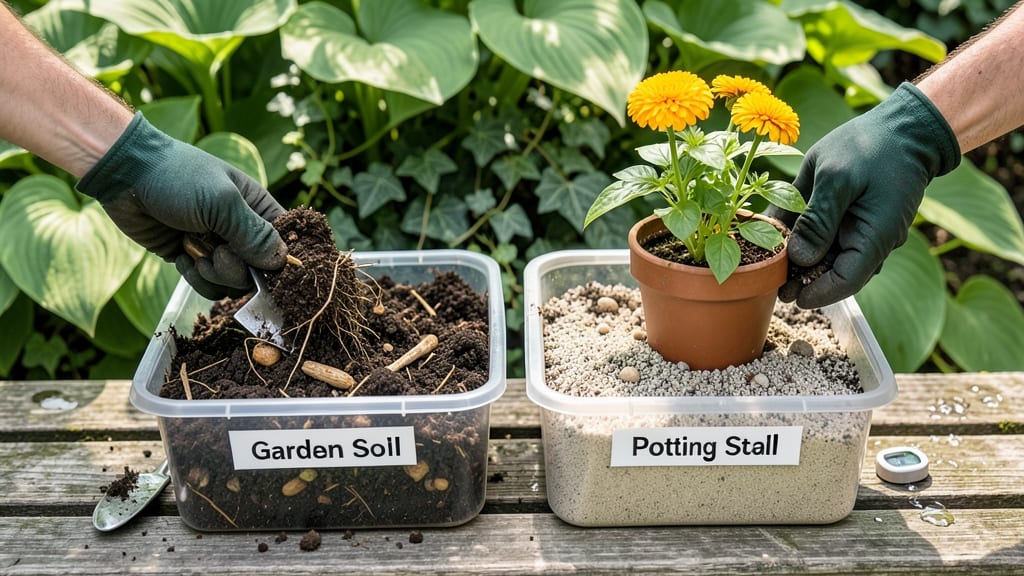
The difference between garden soil and potting soil isn't just about where you plant—it's about how your plants grow. 🌱 Garden soil is the rich, living earth from your yard or garden beds, packed with organic matter and microbes that support long-term plant health.
But potting soil is a lighter, engineered mix designed specifically for containers, with better drainage and nutrients tailored for short-term growth.
Garden soil works best for in-ground planting because it's heavy, holds moisture, and contains natural beneficial organisms. Potting soil, on the other hand, is lighter, airier, and often includes perlite or vermiculite to prevent compaction in pots.
If you've ever seen plants in containers struggle with soggy roots, that's why—potting soil is built to drain fast and keep roots oxygenated.
For vegetables and perennials planted directly in the ground, garden soil is your best bet. But for herbs, annuals, and anything in pots, potting soil gives roots the breathing room they need.
The trick? Mixing the two can work wonders for raised beds or heavy clay soil—just add 20-30% potting soil to improve drainage without sacrificing nutrients.
Here's the rule of thumb: if it's in the ground, use garden soil. If it's in a container, use potting soil. And if your plants look thirsty or roots seem suffocated, that's your clue to adjust the mix. Every plant deserves soil that works as hard as you do.
The first product explained
Meet Miracle-Gro All Purpose Garden Soil—your go-to companion for transforming bare patches into lush, thriving gardens! 🌱✨ This premium blend is designed to give your outdoor plants the nutrient-rich foundation they deserve, whether you're sowing seeds, transplanting seedlings, or reviving tired flower beds.
📏 Key Specs & Features
This 40-pound bag of Miracle-Gro Garden Soil is packed with essentials for outdoor success:
- Nutrient-dense formula: Enriched with Miracle-Gro plant food to promote strong roots and vibrant growth.
- Balanced texture: A mix of peat moss, compost, and sand for optimal drainage and aeration.
- pH-balanced: Ideal for most garden plants, with a neutral pH (6.0–7.0) to support healthy nutrient uptake.
- Weed & pest control: Contains no harmful chemicals but is formulated to deter common garden invaders.
- Versatile use: Perfect for vegetable gardens, flower beds, shrubs, and lawn patches.
🎯 Who’s It For?
This soil is a must-have for:
- 🌿 Home gardeners looking to boost their yard’s beauty and productivity.
- 🍅 Vegetable and herb growers who want a nutrient-rich base for homegrown produce.
- 🌸 Landscapers and DIYers reviving flower beds or creating new garden spaces.
- 🐝 Eco-conscious users who prefer chemical-free, sustainable gardening solutions.
💰 Price Point & Value
Priced at $12.97 for a 40-pound bag, this soil offers exceptional value—especially when compared to generic garden soil blends. With its long-lasting nutrients and ease of use, it pays for itself in healthier, happier plants.
Pro Tip: 💡 Extend its benefits by top-dressing with compost or organic mulch every few months to keep nutrients cycling!
The second product explained
Next up, let’s dive into Miracle-Gro Indoor Potting Mix—the go-to choice for container gardening enthusiasts who want effortless growth and lush results! 🌱✨ This premium potting soil is specifically formulated for indoor plants, herbs, and container gardens, making it the perfect companion for urban gardeners, apartment dwellers, or anyone short on outdoor space.
Key Specs & Features
Here’s what sets this potting mix apart:
- Lightweight & Airy Texture: Designed to drain quickly while retaining just the right amount of moisture—no soggy roots here! 💦
- Nutrient-Rich Blend: Packed with slow-release fertilizer to nourish plants for up to 6 months, reducing the need for frequent feedings.
- Sterilized & Pest-Free: Heat-treated to eliminate weeds, pathogens, and pests, so your plants start with a clean slate.
- Perfect pH Balance: Optimized for acid-loving plants (like ferns, azaleas, and herbs) while also accommodating a wide range of houseplants.
- Bag Size: Available in 8-quart (2-gallon) and 18-quart (4.5-gallon) bags, ideal for small pots to large containers.
Who Is This For?
This potting soil is a game-changer for:
- Beginners: No guesswork—just add plants, water, and watch them thrive! 🌿
- Urban Gardeners: Perfect for balconies, windowsills, and rooftop gardens.
- Herb & Vegetable Lovers: Grow basil, mint, tomatoes, or peppers in containers with confidence.
- Houseplant Parents: Keeps ferns, snake plants, and pothos happy without the hassle.
Price Point & Value
Priced at $6.97–$12.97 (depending on bag size), this potting mix offers exceptional value for its convenience and performance. While it may cost slightly more than garden soil, the long-term benefits—like fewer fertilizers and healthier plants—make it a worthwhile investment.
Pro Tip: 💡 Mix this with perlite or vermiculite for even better drainage if you’re growing succulents or cacti!
Head-to-head comparison
🌱 Performance: Which Soil Works Best for Your Plants?
When it comes to how your plants thrive, garden soil and potting soil serve very different purposes—like choosing between a marathon and a sprint! Here’s how they stack up:
- Garden Soil:
- Best for: Outdoor plants, perennials, shrubs, and trees.
- Why it works: Naturally rich in organic matter, microbes, and nutrients from decomposed leaves, grass clippings, and compost. It drains well but retains moisture, mimicking the natural environment where most plants evolved. Perfect for root systems that need room to spread.
- Watch out: Can be too dense or compacted if not amended (e.g., with sand or compost), which may stunt root growth in heavy clay soils. May also contain weeds or pests if not properly prepared.
- Potting Soil:
- Best for: Container gardening, seed starting, houseplants, and annuals.
- Why it works: Lightweight, sterile, and formulated to promote aeration and drainage. Often includes perlite, vermiculite, or coconut coir to prevent compaction. Designed to hold moisture without suffocating roots—ideal for confined spaces where roots can’t escape.
- Watch out: Lacks the long-term nutrient richness of garden soil, so you’ll need to fertilize regularly. Can dry out faster in hot climates or require more frequent watering.
💡 Pro Tip: For containerized plants in garden beds (like large pots sunk into the ground), a mix of 50% garden soil + 50% potting soil can bridge the gap between the two! This combo gives roots the best of both worlds: stability and breathability.
🛠️ Features: What’s Under the Surface?
Dive into the ingredients and texture, and you’ll see why these soils are worlds apart:
| Feature | Garden Soil | Potting Soil |
|---|---|---|
| Composition | Natural minerals, organic matter, microbes, and sometimes sand or clay. | Sterilized blend of peat moss, compost, perlite, vermiculite, and sometimes worm castings. |
| Texture | Heavier, can compact over time (especially clay-heavy soils). | Fluffy and airy—designed to stay loose even when wet. |
| Nutrient Content | Slow-release nutrients from decomposed materials (but may need amendments). | Low in natural nutrients; often requires synthetic or organic fertilizers. |
| Drainage | Varies—can be slow in clay or fast in sandy soils. Often needs amending. | Excellent drainage due to added perlite/vermiculite. |
| Sterility | Not sterile; may contain weeds, eggs, or pathogens. | Sterile or pasteurized to kill weeds, pests, and diseases. |
| Weight | Heavy—especially when wet. Hard to move in large quantities. | Lightweight, easy to carry and handle. |
🌡️ Pro Tip: If you’re repurposing garden soil for pots, bake it in the oven at 200°F (93°C) for 30 minutes to kill pests and pathogens—just like potting soil! Line the pot with a coffee filter first to avoid a messy cleanup.
💰 Price: Is One More Budget-Friendly?
Your wallet will notice the difference—especially if you’re stocking up for a big project!
- Garden Soil:
- Cost: $0–$5 per cubic foot (if you’re digging it yourself from your yard or composting). Store-bought topsoil runs $10–$30 per cubic yard (about 27 cubic feet).
- Long-term savings: Free if you have a yard! Just requires effort to prepare (screening, amending).
- Hidden costs: May need to buy amendments (compost, sand, lime) to improve quality.
- Potting Soil:
- Cost: $3–$10 per 2–3 cubic feet bag. Premium mixes (with added fertilizer or coco coir) can hit $12–$20.
- Long-term costs: You’ll need to repurchase frequently since it breaks down faster. Fertilizer costs add up too!
- Pro move: Buy in bulk if you’re a serious container gardener—some garden centers offer discounts for larger quantities.
💡 Pro Tip: Split the cost by making your own potting soil! Mix:
- 40% peat moss or coco coir
- 30% compost
- 20% perlite or vermiculite
- 10% worm castings or slow-release fertilizer
🏗️ Durability: How Long Will It Last?
One soil is a marathoner; the other burns bright and fast. Here’s the longevity breakdown:
- Garden Soil:
- Lifespan: Years (if maintained). The organic matter decomposes over time, but adding compost or mulch keeps it fertile.
- When to refresh: Every 1–3 years, depending on plant demands. Heavy feeders (like tomatoes or peppers) may need annual top-dressing.
- Signs it’s time: Compacted, waterlogged, or struggling to support plant growth.
- Potting Soil:
- Lifespan: 6 months–2 years. It breaks down quickly, especially in warm or humid conditions.
- When to refresh: Replace every 1–2 years or when it turns hard and crusty. For seed starting, replace annually.
- Signs it’s time: Roots circling the pot, water draining too fast, or plants wilting despite regular watering.
✨ Pro Tip: Extend potting soil life by top-dressing with compost every few months. This adds nutrients without replacing the entire mix—saving you time and money!
🌿 Versatility: Where Can You Use Each?
Not all plants are created equal—and neither are their soil needs! Here’s where each
Which one should you choose?
So, you’ve weighed the pros and cons, compared the textures, and even peeked at the nutrient breakdowns—now what? 🌱 Choosing between garden soil and potting soil isn’t just about labels; it’s about matching your green thumb’s goals to the right growing conditions.
Here’s your final verdict and tailored recommendations to help you decide like a pro.
🌿 For Outdoors & In-Ground Planting: Garden Soil Wins
If your plants are calling the yard their forever home, garden soil is your MVP. It’s packed with organic matter, supports robust root systems, and mimics natural conditions—perfect for:
- Vegetable gardens (tomatoes, peppers, herbs)
- Perennial flowers (lavender, roses, coneflowers)
- Shrubs & trees (newly planted or established)
- Lawns & ground covers (clover, creeping thyme)
Pro tip: 💡 Mix garden soil with compost (1:1 ratio) for a nutrient boost without compacting roots.
🏺 For Containers & Potted Plants: Potting Soil Takes the Crown
When space is limited or drainage is key, potting soil’s lightweight, airy magic shines. It’s designed to prevent soggy roots and suffocation—ideal for:
- Herbs & succulents (basil, jalapeños, echeveria)
- Annual flowers (petunias, marigolds, impatiens)
- Houseplants (snake plants, pothos, ferns)
- Seed starting (tomato seedlings, peppers)
Pro tip: ✨ For containers, add perlite or vermiculite (10-20%) to potting soil to improve aeration.
🔄 Hybrid Solutions: When to Mix ‘Em Up
Not every plant fits neatly into one category. Here’s when to combine both soils for the best of both worlds:
| Scenario | Soil Mix | Why? |
|---|---|---|
| Raised garden beds | 70% garden soil + 30% potting soil | Balances structure and drainage while retaining moisture. |
| Heavy clay soil in containers | 50% potting soil + 50% garden soil (amended with compost) | Breaks up clay’s density while adding nutrients. |
| Bulbs (tulips, daffodils) | 60% potting soil + 40% garden soil | Encourages root spread without waterlogging. |
Final nudge: 🌡️ If your thumb’s still unsure, grab a small bag of each and test! Fill two identical pots—one with garden soil, one with potting soil—and plant the same seeds. Observe which thrives in your specific climate.
Remember: Soil isn’t one-size-fits-all, but with these guidelines, you’ll give your plants the perfect foundation—whether they’re stretching toward the sun in the ground or basking in a sunny windowsill. Happy planting! 🌟