
Tools
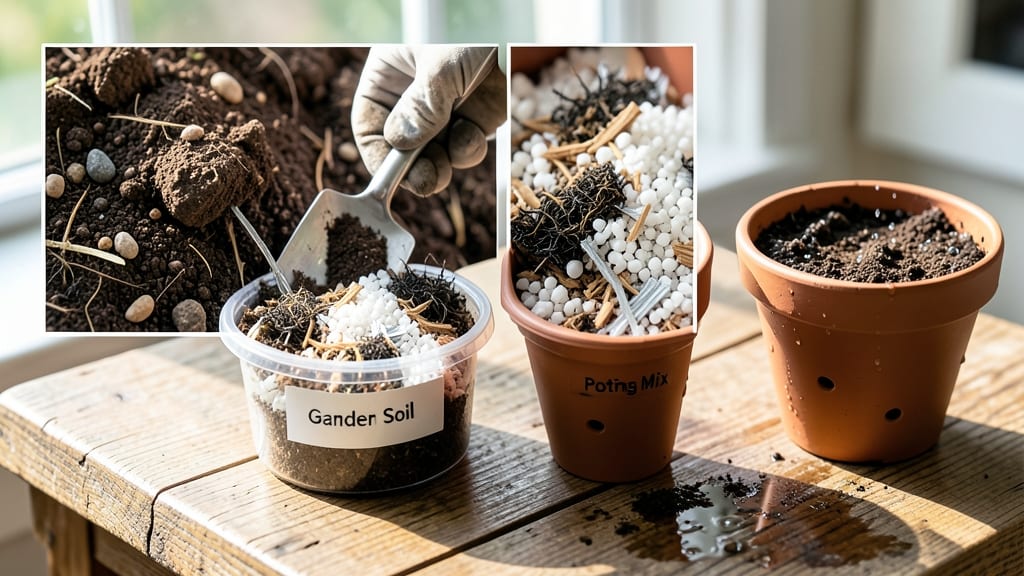
The difference between garden soil and potting mix isn’t just two bags of dirt—one’s the foundation for your in-ground garden, while the other is the secret to container success. 🌱 I’ve learned the hard way that mixing them up can mean the difference between thriving tomatoes and sad, waterlogged roots. The first has gritty texture and natural nutrients, while the second is light, airy, and designed to drain fast.
Garden soil is the classic loam—equal parts sand, silt, and clay—with organic matter like compost or peat moss. It’s heavy, holds moisture, and feeds plants slowly over time, perfect for raised beds or in-ground planting.
Potting mix, though, is engineered: it blends peat, perlite, coconut coir, and vermiculite to stay loose, preventing root rot in pots. Both have their place, but using the wrong one can stunt growth or even kill plants.
For vegetables like tomatoes or peppers, garden soil wins in the ground, while potting mix keeps herbs and flowers happy in containers. The key difference? Drainage—potting mix drains 3x faster than garden soil, which is why it’s non-negotiable for pots.
Swap them, and you’ll see the difference in just a few weeks: one will flourish, the other will fight for survival.
Need a custom blend? Mix 60% garden soil with 40% compost for in-ground beds, or go 50% peat moss, 30% perlite, 20% compost for DIY potting mix. The right choice depends on your plants and their home—soil for the earth, mix for the pots, and never the twain shall meet.
The first product explained
Meet Miracle-Gro Indoor Potting Mix—your go-to companion for container gardening! 🌱✨ This premium potting mix is designed to give your houseplants, herbs, and veggies the perfect start, whether you're a seasoned gardener or just dipping your toes into indoor greenery. Let’s break down why this mix stands out.
📏 Specs & Features
- Composition: Blended with coco coir, perlite, and composted bark for superior aeration and moisture retention.
- Nutrient Boost: Enriched with slow-release fertilizer to feed plants for up to 3 months—no extra supplements needed!
- pH-Balanced: Optimized for acid-loving plants (like ferns and blueberries) and neutral-loving varieties (tomatoes, peppers).
- Lightweight & Fluffy: Designed for containers, raised beds, and hanging planters—no compacting or waterlogging.
- Sterilized: Free from weeds, pathogens, and pests for a clean, healthy growing environment.
🎯 Target Users
This potting mix is a game-changer for:
- 🏡 Indoor gardeners (herbs, succulents, and air plants thrive here!).
- 🌿 Balcony/patio planters—ideal for tomatoes, peppers, and strawberries.
- 🛒 Beginner-friendly—no guesswork with pre-mixed nutrients.
- 🚫 Not for veggie gardens—best for containers only (see our next section for garden soil picks!).
💰 Price Point & Value
$12.99 for a 8-quart bag (or $19.99 for a 16-quart bag—great for bulk users!). While it’s an investment upfront, the long-lasting nutrients and plant health benefits make it a steal. Compare that to buying separate soil amendments, and you’ll save big time!
Pro Tip: 💡 Mix with 20% perlite for extra drainage if you’re growing water-sensitive plants like calatheas.
The second product explained
Meet Miracle-Gro Indoor Potting Mix—the ultimate companion for your container gardening dreams! 🌱✨ This premium potting mix is designed to give your houseplants, herbs, and veggies the perfect home to thrive, even in small spaces. Whether you're a seasoned green thumb or just starting your gardening journey, this mix is packed with features to simplify your plant-care routine.
📏 Key Specs & Features
This potting mix is sterilized and peat-based, ensuring it’s free from weeds, pests, and diseases that can harm your plants. It’s also lightweight and airy, promoting healthy root growth and preventing compaction. Here’s what makes it stand out:
- Perfect blend: Combines peat moss, perlite, and other organic materials for ideal drainage and moisture retention.
- Nutrient-rich: Includes slow-release fertilizer to feed your plants for up to 6 months—no extra fertilizing needed!
- Versatile use: Ideal for containers, hanging baskets, window boxes, and even seed starting.
- Easy to use: Pre-mixed and ready to go—just add water and your plants!
🎯 Who Is This For?
This potting mix is a game-changer for:
- 🌿 Urban gardeners with limited outdoor space.
- 🏡 Indoor plant lovers who want lush, healthy houseplants.
- 🥬 Herb and veggie enthusiasts growing tomatoes, peppers, or basil in pots.
- 🌱 Newbies and pros alike who want a foolproof, nutrient-packed growing medium.
💰 Price Point & Value
Priced at $8.97 for a 8-quart bag (or around $12.97 for a 12-quart bag), this mix offers exceptional value. Compared to generic potting soils, it’s a small investment for:
- 🌟 Long-term plant health—no need to repot or add fertilizer frequently.
- 🌱 Higher success rates for seedlings, cuttings, and container plants.
- ⏳ Time savings—no mixing or amending required!
Pro Tip: 💡 For even better results, mix this potting soil with 20% perlite or vermiculite if you’re growing moisture-sensitive plants like succulents or cacti. Happy planting!
Head-to-head comparison
Now that we’ve explored the unique qualities of garden soil and potting mix, let’s dive into a side-by-side comparison to help you decide which is best for your green thumb projects!
Whether you’re planting a backyard garden or nurturing potted herbs, understanding these differences will save you time, money, and frustration. Here’s how they stack up across key dimensions:
🌱 Performance: What Works Best for Your Plants?
Performance is where garden soil and potting mix truly shine—or flop—depending on your needs. Let’s break it down:
- Garden Soil:
- Best for: Outdoor plants, perennials, shrubs, trees, and large-scale gardening.
- Pros: Rich in organic matter, supports deep root systems, and provides long-term nutrients.
- Cons: Can compact over time, may harbor weeds or pests, and drains slower than potting mix.
- Ideal for: Vegetable gardens, flower beds, and landscaping projects.
- Potting Mix:
- Best for: Container gardening, seed starting, houseplants, and short-term plant growth.
- Pros: Lightweight, well-draining, sterile (no weeds or pests), and formulated for optimal aeration.
- Cons: Lacks long-term nutrients, dries out faster, and isn’t suitable for heavy root systems.
- Ideal for: Herbs in pots, succulents, annuals, and seedlings.
💡 Pro Tip: If you’re growing both outdoor and potted plants, consider a hybrid approach! Amend garden soil with compost or use a slow-release fertilizer to boost its nutrient profile, while adding perlite or vermiculite to potting mix for better moisture retention.
📏 Features: Composition and Texture
Composition is where these two soil types diverge the most. Here’s what’s in the mix:
| Feature | Garden Soil | Potting Mix |
|---|---|---|
| Primary Ingredients | Natural loam (sand, silt, clay), organic matter (humus, decomposed leaves), and minerals. | Peat moss, coconut coir, perlite, vermiculite, compost, and sometimes bark or sand. |
| Texture | Dense, heavy, and can become compacted over time. | Light, fluffy, and airy to prevent compaction. |
| Moisture Retention | Holds water longer but risks over-saturation and root rot. | Drains quickly but may dry out faster; requires more frequent watering. |
| Nutrient Availability | Slow-release nutrients from organic matter; requires amendments like fertilizer or compost. | Often pre-blended with fertilizers or slow-release nutrients for quick plant uptake. |
| Sterility | Not sterile; may contain weeds, pests, or pathogens. | Sterile and free from contaminants (great for seed starting!). |
🌡️ Pro Tip: If your garden soil feels too heavy, mix in 10-20% perlite or compost to improve aeration and drainage. For potting mix, add a handful of worm castings to boost nutrients for long-term container plants.
💰 Price: Budget-Friendly or Premium Investment?
Your wallet will notice the difference between these two! Here’s the cost breakdown:
- Garden Soil:
- Cost: $0.50–$3 per cubic foot (or free if sourced from your yard!).
- Why? Naturally occurring; no processing required. Bagged garden soil (e.g., for raised beds) may cost slightly more.
- Best for: Large-scale projects where bulk matters.
- Potting Mix:
- Cost: $3–$8 per cubic foot (or $2–$6 per 2–3 cubic feet bag).
- Why? Processed with additives like peat moss, perlite, and fertilizers. Premium mixes (e.g., for orchids or succulents) can cost $10+.
- Best for: Small-scale or high-value container gardening.
💡 Pro Tip: Save money by reusing potting mix for non-perennial plants (like annuals) or composting garden soil to enrich it for future use. Just sterilize it first by baking in the oven at 200°F (93°C) for 30 minutes to kill pests!
🏗️ Durability: How Long Will It Last?
Durability depends on how you use—and reuse—your soil. Here’s the lifespan breakdown:
- Garden Soil:
- Lifespan: Years to decades if amended properly.
- Factors: Degrades over time due to erosion, compaction, and nutrient depletion. Requires regular compost or fertilizer additions.
- Signs it’s time to refresh: Hardened texture, poor drainage, or lack of plant growth.
- Potting Mix:
- Lifespan: 1–3 years (or shorter for fast-growing plants).
- Factors: Breaks down quickly, especially with frequent watering. Peat moss loses structure over time.
- Signs it’s time to replace: Compacted, sour smell, or plants wilting despite regular watering.
✨ Pro Tip: Extend the life of potting mix by top-dressing with fresh compost every few months. For garden soil, cover crops like clover can naturally replenish nutrients and prevent erosion.
🌿 Versatility: Where Can You Use Each?
Not all plants thrive in the same environment. Here’s where each soil type excels:
| Use Case | Garden Soil | Potting Mix |
|---|---|---|
Vegetable Gardens
Which one should you choose?So, which one should you choose—garden soil or potting mix? The answer depends on your gardening goals, space, and the plants you’re nurturing. Let’s break it down to help you decide with confidence! 🌱 For Outdoor Gardens & In-Ground PlantingIf you’re planting directly in your yard, garden soil is your best bet. Its natural structure, rich organic matter, and ability to retain moisture make it ideal for:
✨ Pro Tip: Amend your garden soil with compost or organic matter if it’s too clay-heavy or sandy to improve drainage and fertility. 🏺 For Containers, Raised Beds & Potted PlantsWhen space is limited or you’re growing in pots, potting mix wins. Its lightweight, sterile, and well-draining properties are perfect for:
💡 Pro Tip: Mix in perlite or vermiculite to boost drainage if your potting mix feels too dense. 🌿 Hybrid Approach: Best of Both WorldsCan’t decide? Try a combination! For raised beds or large containers, use a mix of 60% potting soil and 40% garden soil to balance nutrients and structure. Add compost or worm castings for extra goodness! 🔥 Final Verdict: Garden soil = outdoor planting powerhouse. Potting mix = container gardening champion. Know your space and plants, and you’ll grow like a pro! 🌱💚 |