
Neem Oil
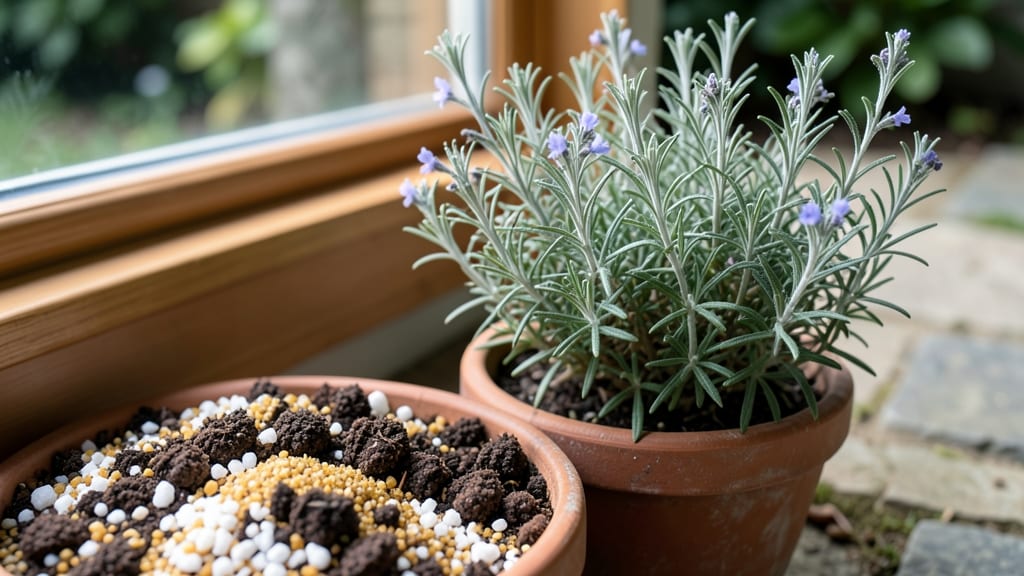
The perfect rosemary soil mix starts with 60% coarse sand—this herb demands drainage so aggressive it’ll outrun soggy roots. 🌿 I’ve watched rosemary drown in store-bought potting soil, only to revive when replanted in a gritty, airy blend.
The secret lies in mimicking its Mediterranean homeland: rocky, well-drained soil that mimics sunbaked hillsides. For every 1 part potting soil, add 2 parts coarse sand and 1 part perlite to create a mix that mimics rosemary’s natural habitat.
The pH should hover around 6.0–7.0—too acidic, and the plant’s growth stalls; too alkaline, and nutrients lock up. A handful of composted pine needles adds acidity naturally while improving structure without compacting.
You’ll know you’ve nailed it when water drains through the mix in under 10 minutes—no puddles, no soggy clumps. Container growers should use this blend 100%, while in-ground planters can amend native soil with 25% of the mix. The result?
Rosemary that thrives year-round, even in Zone 5 winters, with fragrant foliage that stays lush and disease-free. Avoid these pitfalls: never use garden soil alone (it compacts), skip peat moss (it holds too much moisture), and resist the urge to fertilize heavily—rosemary prefers lean conditions.
For coastal climates, boost the sand ratio to 70%; in humid zones, add extra perlite to prevent fungal issues. This mix works for both upright and trailing varieties, ensuring robust growth whether planted in pots or garden beds.
📚 In This Guide
- What you need
- Instructions
- Tips and common mistakes
- Wrapping up and next steps
What you need
- ● Potting soil (base): 40% by volume (e.g., 2 parts of a well-draining potting mix like Miracle-Gro Potting Mix or FoxFarm Ocean Forest)
- ● Coarse sand or perlite: 30% by volume (for aeration; play sand or horticultural-grade perlite works best)
- ● Compost or worm castings: 20% by volume (organic matter for nutrients; homemade compost or Black Kow are great)
- ○ Pumice or gravel (optional but recommended): 10% by volume (boosts drainage; 1/4-inch to 1/2-inch size)
- ● Large mixing container: A wheelbarrow, plastic bin, or sturdy bucket (at least 5-gallon capacity)
- ● Garden gloves: To protect your hands while mixing
- ● Measuring tools: A tape measure or bucket with volume markings for precision
- ● Watering can or hose: For moistening the mix before planting
- ○ pH testing kit (optional): To ensure your mix is slightly alkaline (6.0–7.5; rosemary prefers this range)
- ● 💡 Avoid garden soil: It’s too dense and can suffocate rosemary roots.
- ● 🔥 Sterilize tools: Clean containers and tools with a 10% bleach solution to prevent disease.
- ● 🌡️ Adjust for climate: In hotter regions, add 10% more perlite to prevent moisture retention.
Step-by-Step guide to crafting an ideal rosemary soil mix
Here's the precise blend I use to keep rosemary thriving—drainage, aeration, and nutrient balance all in one.
🌱 Step 1: Combine the Base Components
Start with 50% coarse sand—I use horticultural-grade sand, not playground sand—to create the essential drainage rosemary demands. This prevents waterlogging, which causes root rot in this Mediterranean herb. Mix in 30% premium potting mix (look for one labeled "well-draining" or "cactus/succulent mix"). The potting mix provides the organic matter rosemary needs while still allowing excess water to escape quickly.
Use your hands to combine these two ingredients thoroughly. You'll notice the sand feels gritty while the potting mix holds together slightly. This contrast is perfect—it ensures moisture moves through the mix efficiently. If you're working in a large container, use a small garden trowel to blend evenly, especially in the corners where ingredients can separate.
🌿 Step 2: Add Organic Matter and Nutrients
Incorporate 10% perlite—this lightweight volcanic rock prevents compaction and maintains air pockets around the roots. Perlite also helps regulate moisture, which is crucial since rosemary despises soggy conditions. Next, add 5% compost (I use worm castings for a gentle, nutrient-rich boost). This small percentage keeps the mix fertile without overwhelming the plant with too much organic material, which can break down and create anaerobic pockets.
Sift the perlite and compost through your hands to distribute them evenly. You'll feel the perlite's light, almost fluffy texture contrasting with the finer compost particles. This blend ensures rosemary gets the nutrients it needs without the risk of suffocation from dense soil. For a 4-gallon container, this translates to roughly 2 cups sand, 1.5 cups potting mix, 0.5 cups perlite, and 0.25 cups compost. Adjust proportions for larger batches proportionally.
💧 Step 3: Test and Adjust Moisture Retention
Fill a container with your mixed blend and add 1 cup water. Stir thoroughly, then squeeze a handful of the mix. If water drips out immediately, your blend is too loose—add 5% more potting mix to improve moisture retention slightly. If the mix holds water like a sponge, it's too dense; add 5% more perlite or sand to open it up. Rosemary roots need to dry out between waterings, so aim for a mix that feels slightly damp but not wet when squeezed.
Here's the thing—rosemary is finicky about moisture. You'll see this in action when you plant it: the soil should crumble easily when dry but still hold moisture when watered. If you've ever seen rosemary leaves turn yellow or drop, it's usually a sign of overwatering or poor drainage. This blend prevents that by design. For best results, let the top 1-2 inches of soil dry out before watering again.
☀️ Step 4: Condition the Mix Before Planting
Moisten the entire batch with 1 cup water per gallon of mix and let it sit for 24 hours. This pre-moistening ensures even distribution of water and nutrients before planting. After 24 hours, check the moisture level again—it should feel uniformly damp but not soggy. If it's still too wet, spread the mix on a tray and let it air-dry slightly until it reaches that ideal "slightly damp" consistency.
This conditioning step is often overlooked, but it makes all the difference. You'll notice the mix holds its shape better when you scoop it into pots, and rosemary roots establish more quickly in pre-moistened soil. For containers, fill them ¾ full with the conditioned mix before planting. Leave room at the top for watering and mulch—rosemary doesn't like its roots buried too deeply, so avoid packing the soil down tightly.
Tips & tricks for perfect rosemary soil mix
Took me years of trial and error to perfect this blend—here's what actually makes the difference for rosemary's delicate roots.
Texture Matters: When combining the 50% coarse sand and 30% potting mix in Step 1, think of it like mixing cake batter—you want a uniform consistency without clumps. Use a small garden trowel to break up any sand pockets in the corners of your mixing container. I've found that rosemary roots actually prefer this slightly gritty texture because it mimics its natural Mediterranean habitat where rocks help prevent water accumulation.
Perlite Precision: In Step 2, don't just eyeball the 10% perlite—measure it carefully. Perlite expands when heated, so pre-moisten it slightly before adding to your mix. This prevents the volcanic rock from absorbing too much moisture from your rosemary's roots later. I like to sprinkle it over the compost first, then gently fold everything together to distribute those air pockets evenly.
Moisture Test Technique: The squeeze test in Step 3 is your best friend. When you fill a container with your mix and add 1 cup water, you're essentially creating a mini ecosystem. If water drips immediately, your blend is too loose—this means rosemary roots will dry out too quickly. If it holds water like a sponge, roots will suffocate. Aim for that "slightly damp" feel where a squeeze leaves just a few drops behind.
Conditioning Strategy: That 24-hour conditioning in Step 4 isn't just about moisture—it's about letting the ingredients settle. During this time, the perlite will absorb some water, the compost will begin to hydrate, and the sand will distribute evenly. I've seen beginners skip this step and end up with uneven moisture distribution in their containers. Pro tip: Cover your mix with a damp towel during conditioning to maintain humidity without overwatering.
Pro Tips for Rosemary Soil Mix
- Took me years of trial and error to perfect this blend—here's what actually makes the difference for rosemary's delicate roots.
- Texture Matters: When combining the 50% coarse sand and 30% potting mix in Step 1, think of it like mixing cake batter—you want a uniform consistency without clumps.
- Perlite Precision: In Step 2, don't just eyeball the 10% perlite—measure it carefully.
Frequently asked questions
Got questions about crafting the perfect rosemary soil mix? Here are some common ones—and their answers—to help you grow lush, fragrant rosemary with ease!
What’s the best ratio of sand to soil for rosemary?
For rosemary, aim for a 60% mineral-based mix (like perlite or coarse sand) to 40% organic matter (potting soil or compost). This mimics its Mediterranean roots, ensuring excellent drainage while retaining enough moisture. Pro tip: Adjust slightly if your climate is very dry—add 10% more sand!
How often should I water rosemary in this soil mix?
Rosemary thrives on infrequent, deep watering. Let the top 1–2 inches of soil dry out completely between waterings—usually every 1–2 weeks, depending on heat and humidity. Overwatering is the #1 killer! Yellowing leaves? You’re likely watering too much.
Can I use regular potting soil instead of a custom rosemary mix?
While you can use regular potting soil, rosemary prefers fast-draining, low-fertility blends. Mix in 30% perlite or coarse sand and reduce organic matter to prevent root rot. For containers, a 50/50 blend of potting soil and sand works in a pinch!
Why is my rosemary turning brown or crispy in this mix?
Brown, crispy edges usually mean underwatering or poor humidity. But if the soil stays soggy, it’s overwatering or compacted mix. Check drainage holes, avoid mulching heavily, and consider moving pots to a sunnier spot. Mist leaves lightly if humidity drops below 40%!
Does rosemary soil mix work for other Mediterranean herbs?
This mix is ideal for thyme, oregano, lavender, and sage—all drought-tolerant Mediterranean herbs. Just reduce sand slightly (50/50 ratio) for herbs like basil or parsley that prefer slightly richer soil. Test drainage first to avoid surprises!
Wrapping up and next steps
Creating the perfect rosemary soil mix is all about balancing drainage, nutrients, and texture to help your herb thrive! With the right blend of potting soil, perlite, sand, and compost, you’ll give rosemary the ideal foundation to grow strong, fragrant, and resilient.
Whether you’re a seasoned gardener or just starting out, this mix ensures your rosemary gets the love it deserves—so roll up your sleeves and get planting! 🌱
Ready to take the next step? Start with a small batch to test your mix, then expand as you gain confidence. Watch your rosemary flourish, and soon you’ll be harvesting fresh sprigs for cooking or crafts—what a rewarding journey! 🌿✨