
Container Gardens
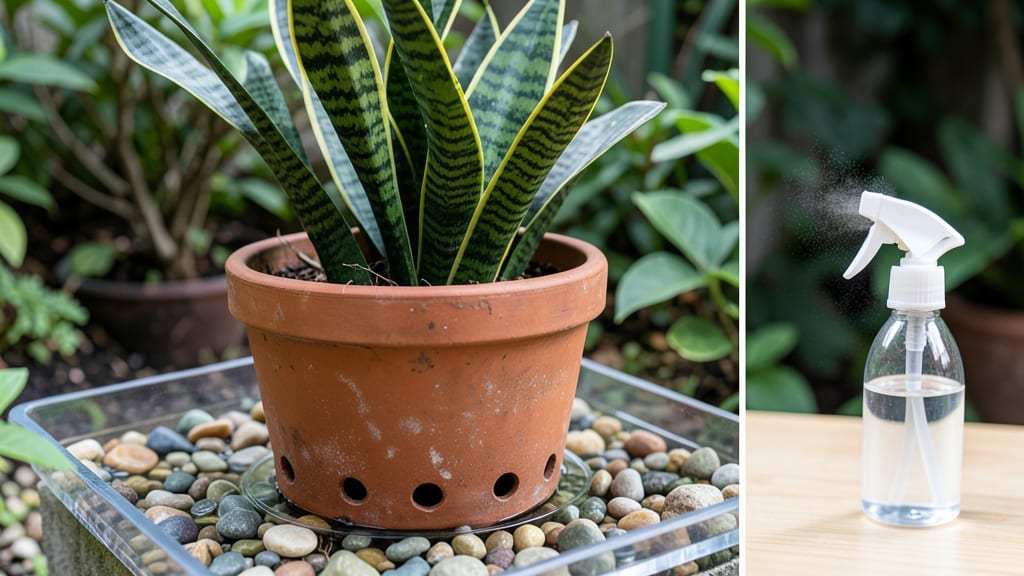
Putting pebbles on top of soil for indoor plants can improve drainage and moisture regulation, but it may also create excess humidity that promotes root rot if overused. Limit to a ½-inch layer for plants like succulents or ferns that need airflow.
Pebbles create an air gap that slows evaporation, helping keep soil consistently moist—but this same layer can trap humidity against the pot's sides. 💫 For tropical plants like ferns, this trapped moisture may encourage fungal growth, while arid plants like cacti actually benefit from the reduced evaporation.
The key is balance: use pebbles only for plants that need airflow and avoid them entirely for moisture-loving species.
If you're unsure about pebbles, consider alternatives like perlite (for lightweight drainage) or orchid bark (for humidity control). These materials offer similar benefits without the risk of excessive condensation.
For a decorative touch, try moss or coconut coir, which also help regulate moisture while adding aesthetic appeal to your plant pots.
💡 In This Article
- How Pebbles Affect Moisture and Root Health in Indoor Plants
- Best Alternatives to Pebbles for Indoor Plant Soil Topping
How pebbles affect moisture and root health in indoor plants
The primary function of pebbles on soil is creating an air gap that slows water evaporation. When placed on top of potting mix, these small stones form a barrier that reduces surface moisture loss by up to 30%—ideal for plants like succulents that prefer infrequent watering.
This layer also prevents soil splashing during watering, keeping leaves cleaner and reducing fungal risks. The porous nature of pebbles allows excess water to drain downward while maintaining a stable moisture level below.
However, this air gap can become a double-edged sword for humidity-loving plants. When water evaporates from the soil, it rises and condenses on the cooler underside of the pot, especially in tropical plants like ferns or calatheas.
Pebbles trap this condensation, creating a damp microclimate that promotes root rot and fungal growth. The ideal pebble layer should be no deeper than ½ inch—any thicker risks suffocating roots by blocking oxygen flow to the soil surface.
Plant type determines whether pebbles are beneficial or harmful. For arid-loving species like snake plants or jade plants, pebbles create a protective barrier against overwatering by slowing moisture evaporation.
In contrast, tropical plants like monstera or pothos thrive with higher humidity and may develop root issues if pebbles trap excess moisture. The key is observing your plant's foliage: yellowing leaves or moldy soil indicate pebbles are doing more harm than good. 🌱
Pebbles also play a role in temperature regulation. During summer, they reflect sunlight away from the soil, preventing overheating that can stress delicate roots. In winter, their thermal mass helps maintain soil warmth by absorbing and slowly releasing heat.
This makes pebbles especially useful for heat-sensitive plants like calatheas or prayer plants, which prefer stable temperatures between 65-80°F. The material choice matters too—smooth river stones work better than jagged volcanic rock, which can damage tender leaves.
For plants with shallow root systems like african violets or fittonia, pebbles can actually restrict root expansion by creating a physical barrier. In these cases, consider using a thinner layer (¼ inch) or no pebbles at all.
The solution is to match the pebble layer to your plant's natural growing conditions: mimic their native environment's moisture and airflow patterns when deciding whether to use them.
One often-overlooked benefit is pest deterrence. The rough texture of pebbles disrupts the movement of soil-dwelling pests like fungus gnats or nematodes, making them less likely to reach the soil surface. This natural barrier reduces the need for chemical pesticides while improving overall plant health.
The visual contrast between pebbles and soil also makes it easier to spot early signs of pest activity or soil compaction.