
Orchid Care
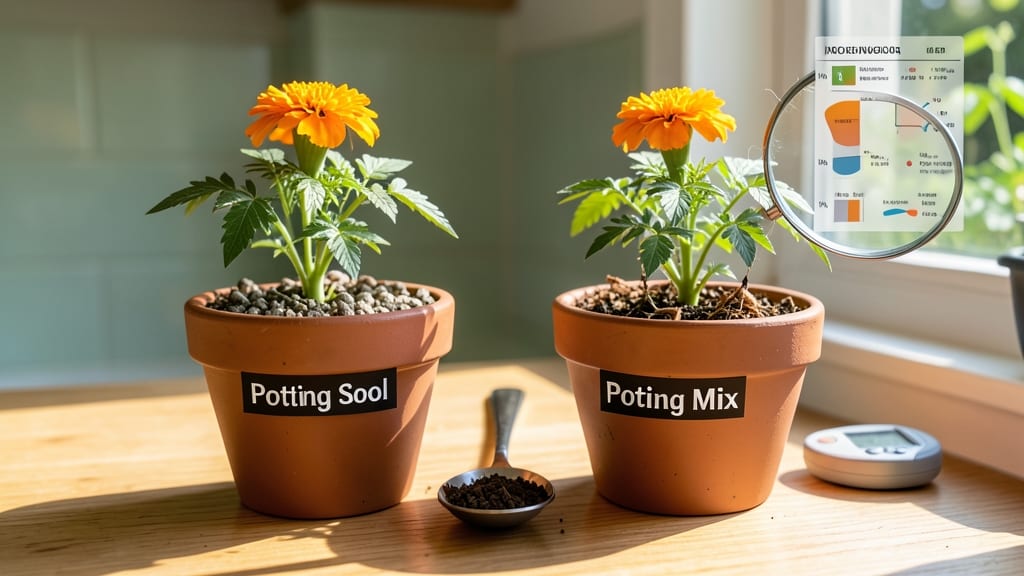
Is there a difference between potting soil and potting mix? The answer is absolutely yes, and that distinction is exactly why your orchids are wilting. 🌱 The difference between the two isn't just semantics—it's what determines whether your plants thrive or struggle.
What you've been calling "potting soil" might actually be garden soil with added peat, while true potting mix is specifically formulated for containers with better aeration and drainage.
Potting soil often contains garden soil, compost, and organic matter, making it heavier and slower-draining—ideal for in-ground planting but deadly for orchids that need airflow. Potting mix, on the other hand, blends lightweight materials like perlite, vermiculite, and bark to create a fluffy, breathable medium that mimics orchid habitats.
The texture difference alone can mean the difference between root rot and vibrant blooms.
For orchids specifically, you need a mix that's 60% air and 40% organic matter, with chunky bark or coconut husk for structure. This isn't just technical jargon—it's why your phalaenopsis stays lush while other plants in the same "potting soil" wilt.
The right mix holds enough moisture without suffocating roots, and it resists compaction over time.
Here's the practical takeaway: skip the garden soil labeled "potting mix" at big-box stores—look for orchid-specific blends or make your own with sphagnum moss, fir bark, and charcoal. Your plants will thank you with stronger growth and longer-lasting blooms.
The right medium isn't just about what's in the bag; it's about what your orchids truly need to flourish.
The first product explained
Meet Miracle-Gro Indoor Potting Mix—your orchid’s dream starter! 🌱✨ This premium blend is specifically designed for indoor plants, including orchids, offering a balanced mix of nutrients and aeration to help your delicate blooms thrive. Whether you're a seasoned plant parent or just dipping your toes into orchid care, this product is a game-changer.
📏 Key Specs & Features
- Type: Pre-mixed potting mix (not traditional soil)
- Texture: Lightweight, fluffy, and well-aerated—perfect for orchid roots that need to breathe!
- Nutrients: Contains controlled-release fertilizer to nourish plants for up to 6 months.
- Moisture Control: Designed to retain just the right amount of moisture without waterlogging.
- pH Level: Slightly acidic (ideal for most orchid varieties).
- Additives: Includes perlite or vermiculite for drainage and coconut coir for moisture retention.
🎯 Who’s It For?
This potting mix is a fantastic choice for:
- Orchid beginners looking for a foolproof, nutrient-rich blend.
- Busy plant lovers who want low-maintenance care with built-in fertilization.
- Those repotting orchids and needing a sterile, disease-free medium.
- Indoor gardeners with limited space who want a lightweight alternative to heavy garden soil.
💰 Price Point & Value
Priced at around $8–$12 for a 8-quart bag, this mix offers exceptional value for orchid enthusiasts. While it’s not the cheapest option on the market, the convenience, nutrient boost, and ease of use make it a worthwhile investment—especially if you’re growing high-maintenance orchids like Phalaenopsis or Cattleyas.
Pro Tip: 💡 For even better results, mix this potting blend with orchid bark or charcoal to enhance aeration and prevent rot!
The second product explained
Meet Miracle-Gro Indoor Potting Mix—your orchid’s dream partner! 🌸✨ This premium blend is designed specifically for indoor plants, including orchids, and packs a punch with its nutrient-rich formula tailored for container gardening. Let’s break down why this mix might just be the secret to your orchid’s thriving future.
📏 Specs & Features
This lightweight, airy mix is engineered to promote root health and prevent compaction—critical for orchids that despise soggy roots. Here’s what makes it stand out:
- Peat-based with added perlite and vermiculite for optimal drainage and aeration.
- Slow-release fertilizer included to nourish your orchids for up to 6 months.
- pH-balanced (around 5.5–6.5), ideal for most orchid varieties.
- Sterilized to eliminate weeds, pests, and diseases—no surprises here!
🎯 Who’s It For?
This mix is a fantastic choice for:
- Orchid enthusiasts who want a low-maintenance yet high-performance growing medium.
- Beginners or busy plant parents who appreciate built-in nutrients to skip the guesswork.
- Those with limited space—it’s perfect for repotting orchids in small containers.
$ Price Point & Value
Priced around $6–$10 for a 8-quart bag, this mix offers serious value. While it’s slightly more expensive than generic potting soil, the convenience and specialized formula make it a worthwhile investment for orchid lovers. Think of it as a premium upgrade for your green babies!
Pro Tip: 💡 Mix this potting mix with orchid bark or charcoal for even better airflow if you’re growing Phalaenopsis or Cattleya varieties!
Head-to-head comparison
Now that we’ve explored the basics of potting soil and potting mix, let’s dive into a side-by-side comparison to help you decide which is the best fit for your orchids.
Whether you're a seasoned grower or just starting your orchid journey, understanding these differences will ensure your plants thrive in the perfect environment! 🌱✨
🔍 Performance for Orchids
When it comes to orchids, performance is everything—and the choice between potting soil and potting mix can make or break your plant’s health. Here’s how they stack up:
- Potting Soil:
- Heavier and denser, which can retain too much moisture—a recipe for root rot in orchids, which need excellent drainage.
- Often contains garden soil or compost, which can compact over time, suffocating delicate orchid roots.
- May lack the air pockets orchids crave, leading to poor oxygen flow to the roots.
- Potting Mix:
- Designed to be lightweight and airy, with ingredients like bark, perlite, charcoal, and sphagnum moss to promote drainage and aeration.
- Specifically formulated to mimic the orchid’s natural epiphytic habitat, where roots cling to trees and absorb moisture without sitting in soggy soil.
- Allows roots to breathe, reducing the risk of fungal infections and encouraging robust growth.
Winner for orchids: Potting mix—hands down. Orchids are not your average houseplant, and their roots need a specialized environment to thrive.
🛠️ Key Features and Composition
Let’s break down what’s actually in each product, because the ingredients tell the whole story!
| Feature | Potting Soil | Potting Mix |
|---|---|---|
| Primary Ingredients | Garden soil, compost, peat moss, sand, or fertilizer. | Bark (pine or fir), perlite, charcoal, sphagnum moss, coconut coir, and sometimes worm castings. |
| Drainage | Poor to moderate (can become waterlogged). | Excellent (designed to dry quickly). |
| Aeration | Low (compacted soil restricts airflow). | High (chunky ingredients create air pockets). |
| Moisture Retention | High (holds water for long periods). | Moderate (releases moisture gradually). |
| pH Level | Varies (often neutral to slightly acidic). | Typically acidic (5.5–6.5), ideal for most orchids. |
| Nutrient Density | Higher in organic matter (may burn roots if over-fertilized). | Lower in nutrients (requires supplemental feeding). |
Pro Tip: 💡 If you’re using potting soil for orchids, amend it with perlite or orchid bark to improve drainage. But for best results, stick with a pre-made orchid mix!
💰 Price and Accessibility
Budget-friendly doesn’t always mean best for your orchids, but let’s talk dollars and cents!
- Potting Soil:
- Generally cheaper (often sold in bulk at garden centers or hardware stores).
- Costs $3–$8 per bag, depending on quality and additives.
- May require additional purchases (like perlite or sand) to make it orchid-safe.
- Potting Mix:
- Pricier upfront, but worth the investment for orchids.
- Costs $8–$15 per bag (specialized orchid mixes can go higher).
- No need for extra amendments—it’s ready to use right out of the bag!
💡 Money-Saving Tip: If you’re on a budget, DIY your own orchid mix using bark, perlite, and charcoal. Just avoid garden soil!
🌿 Durability and Longevity
How long will your growing medium last before it breaks down or loses effectiveness?
- Potting Soil:
- Breaks down quickly (especially if compost-heavy), leading to compaction.
- May need replacement every 1–2 years (or sooner if it gets waterlogged).
- Can become sour or anaerobic over time, harming orchid roots.
- Potting Mix:
- Designed to last longer (bark and charcoal decompose slowly).
- Can be reused or refreshed by adding new bark or perlite as it breaks down.
- Less prone to compaction or mold if used correctly.
Winner: Potting mix—it’s built to last and perform without constant tweaking.
⚠️ Potential Risks and Pitfalls
Even the best products can go wrong if misused. Here’s what to watch out for:
- Potting Soil Risks:
- ❌ Root rot from poor drainage.
- ❌ Fungal infections (like Phytophthora) in compacted, soggy soil.
- ❌ Nutrient burn if over-fertilized without proper aeration.
- Potting Mix Risks:
- ⚠️ Dries out too fast if not watered correctly (orchids like humidity!).
- ⚠️ Can become too acidic over time (test pH occasionally).
- ⚠️ Low nutrients—requires regular feeding with orchid-specific fertilizer.
Safety Tip: 🌡️
Which one should you choose?
So, which one should you choose for your orchids? The answer depends on your specific needs, but here’s a clear verdict to help you decide:
🌱 For Beginners or General Orchid Care:
Go with potting mix! It’s lighter, more breathable, and specifically designed for orchids.
Since orchids thrive in aerated environments, a mix with bark, perlite, and charcoal will prevent root rot and encourage healthy growth. Pro tip: 💡 Look for blends labeled "orchid-specific" to ensure the right balance of moisture retention and drainage.
🌿 For Advanced Growers or Unique Orchid Types:
If you’re growing epiphytic orchids (like Phalaenopsis or Cattleyas) or experimenting with semi-hydroponics, a custom potting soil might be your best bet.
You can tweak the ingredients—like adding more bark or sphagnum moss—to match your orchid’s exact needs. Pro tip: ✨ Test your mix’s moisture retention by squeezing a handful; it should feel damp but not soggy.
🔄 For Repotting or Revitalizing Orchids:
Use potting mix for repotting—it’s fresher, sterile, and less likely to harbor pests or diseases.
If your orchid’s current soil is compacted or waterlogged, a 50/50 blend of new potting mix and old soil (if healthy) can ease the transition. Pro tip: 🌡️ Always repot in spring to avoid stressing your orchid during dormancy.
🚫 When to Avoid Potting Soil:
Skip traditional garden soil—it’s too dense and retains too much moisture, which can suffocate orchid roots. Even "potting soil" marketed for vegetables or flowers won’t cut it. Orchids are divas when it comes to airflow, so stick to mixes designed for their delicate needs!
Final Recommendation: Start with a high-quality orchid potting mix (like those with fir bark or coconut coir). If you’re feeling adventurous, experiment with DIY blends—but always prioritize drainage and aeration. Your orchids will thank you with vibrant blooms and lush foliage! 🌸