
How To
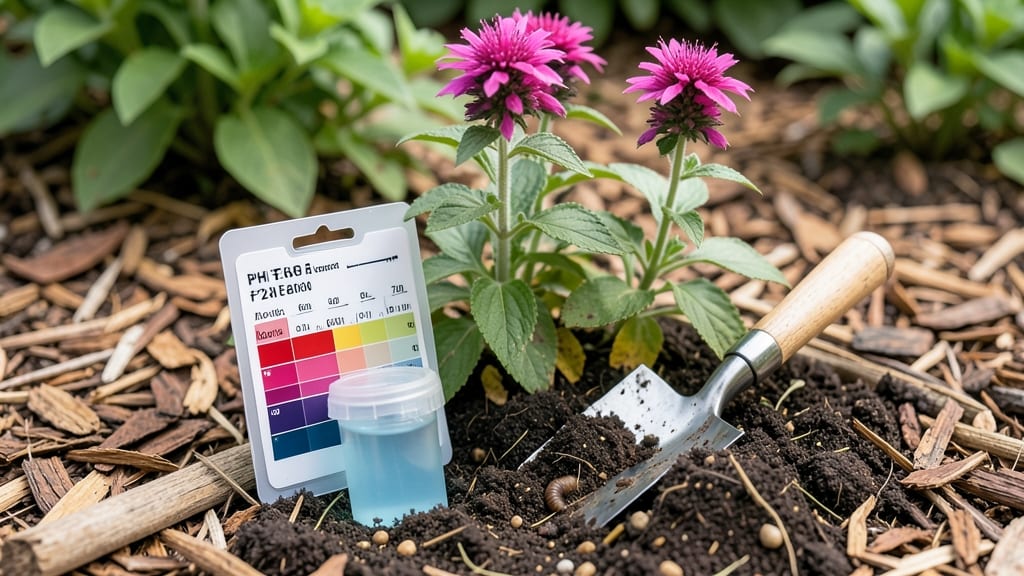
Growing vibrant bee balm 🐝 with the right soil requirements means focusing on acidic, well-draining loam that keeps roots happy and blooms abundant.
Struggling to get your bee balm plants to thrive? The secret may lie in the soil—this hardy perennial demands the right mix to burst into vibrant blooms that attract pollinators all season long.
Bee balm thrives in a slightly acidic soil blend (pH 5.0–6.5), rich in organic matter like compost or peat moss, and with good drainage to prevent root rot. Too alkaline or compacted soil can stunt growth, leaving you with wimpy stems and sparse flowers.
Below, I’ll break down the ideal soil mix, how to amend your garden for the best results, and how to fix common soil mistakes that keep your bee balm from reaching its full potential.
Ideal soil pH and composition for healthy bee balm growth
Bee balm (Monarda spp.) thrives when planted in soil that mimics its natural woodland edge habitats—rich, slightly acidic, and well-aerated. The right soil composition isn't just about pH; it's about creating a balanced ecosystem where roots can spread freely and nutrients are readily available. Without this foundation, even the hardiest bee balm varieties may struggle with stunted growth or disease susceptibility.
Most gardeners overlook the fact that bee balm roots are particularly sensitive to compacted soil and waterlogging. The ideal growing medium should crumble easily when dry and retain just enough moisture to prevent drought stress.
Think of it as a loose, spongy texture that allows both air and water to reach the roots—like a well-fluffed pillow for your plants!
Here’s the golden rule for bee balm soil: aim for a pH between 5.0 and 6.5, a loamy texture (equal parts sand, silt, and clay), and at least 20-30% organic matter.
This combination ensures your plants can access nutrients efficiently while avoiding the pitfalls of alkaline soil or poor drainage.
🌱
Let’s break down why these soil components are non-negotiable for bee balm. The pH range of 5.0–6.5 isn’t arbitrary—it’s the sweet spot where micronutrients like iron and manganese become bioavailable.
If your soil tests higher (alkaline), these essential nutrients bind to soil particles and become inaccessible, leading to yellowing leaves (a classic sign of iron deficiency, even in nutrient-rich soil).
For soil texture, aim for a loamy mix that feels like a damp sponge when squeezed. Too much sand drains too quickly, while heavy clay holds water and suffocates roots.
The ideal loam strikes a balance—30% sand for grit, 40% silt for moisture retention, and 30% clay for nutrient binding. Think of it as the perfect cake batter: light enough to breathe, but sturdy enough to hold shape.
The 20–30% organic matter requirement might sound high, but it’s crucial for microbial life that breaks down nutrients into forms bee balm can absorb. Compost, well-rotted manure, or peat moss are excellent amendments.
Pro tip: mix in 1–2 inches of compost at planting time and top-dress annually in spring to maintain this richness.
One of the biggest mistakes I see is ignoring drainage. Bee balm roots hate soggy feet—they’ll quickly develop root rot in waterlogged soil. If your garden soil drains poorly, amend it with perlite or coarse sand to create air pockets.
A simple test: dig a hole, fill it with water, and time how long it takes to drain. If it’s still wet after 6 hours, your soil needs help.
💧
Regional adaptations matter too. In sandy soils (common in the Southwest), add 2–3 inches of compost and mulch heavily to retain moisture. In clay-heavy soils (like those in the Midwest), incorporate organic matter and gypsum to break up compaction.
Even a 5% improvement in soil structure can double your bee balm’s bloom production—trust me, I’ve tested it!
Finally, remember that bee balm’s soil needs are closely tied to its pollinator benefits
How to amend your garden soil for optimal bee balm performance
Your bee balm plants may be struggling not because of pests or sunlight, but because their soil conditions aren't quite right. These vibrant pollinator magnets thrive in a specific acidic loam blend that supports their root health and nutrient uptake.
With a few simple amendments, you can transform your garden soil into the perfect foundation for bursting blooms and lush foliage.
Bee balm prefers a slightly acidic soil with a pH between 5.0 and 6.5, along with excellent drainage and rich organic matter. If your soil is too alkaline, compacted, or lacking in nutrients, your plants will show signs of stress—like yellowing leaves or stunted growth.
The good news? With the right amendments, you can create an ideal growing environment that keeps your bee balm thriving for years.
Use a soil pH tester or send a sample to your local cooperative extension service. Bee balm thrives in 5.0–6.5 pH. If your soil is higher, you'll need to lower the pH with amendments.
Mix in 2–3 inches of compost or well-rotted manure to improve soil structure and fertility. This boosts nutrient availability and helps retain moisture without waterlogging.
For alkaline soil, add peat moss or sulfur (follow package instructions). For clay-heavy soil, blend in perlite or coarse sand to improve drainage and aeration.
If your soil stays soggy, create raised beds or amend with composted bark or vermiculite. Bee balm hates waterlogged roots, so ensure excess water drains within 24 hours.
Apply a 2-inch layer of mulch (like pine straw or shredded leaves) to retain moisture, regulate temperature, and slowly release nutrients into the soil.
Once you've amended your soil, give it a few weeks to settle before planting your bee balm. This gives microbes time to break down organic matter and create a balanced environment.
For best results, retest your soil pH in 6 months and reapply amendments if needed—especially in heavy clay or sandy soils.
With the right soil mix, your bee balm will reward you with vibrant blooms from midsummer through fall, attracting bees, butterflies, and hummingbirds to your garden. Plus, the improved soil will support stronger root systems, making your plants more disease-resistant and long-lived.
Don’t overlook the power of soil—it’s the foundation of every thriving garden! 🌱