
Pests
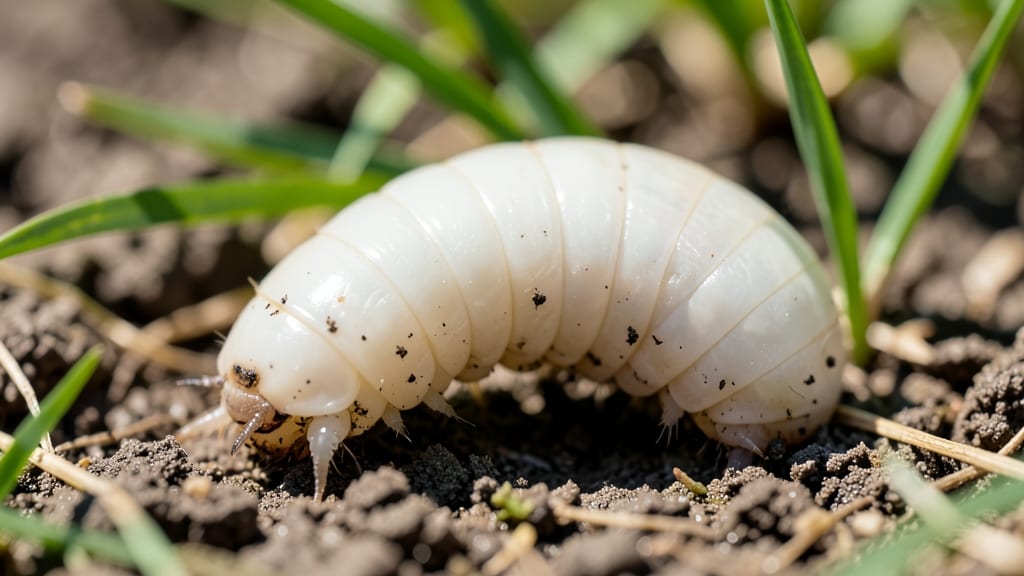
White grubs in soil are good or bad—but when they’re wreaking havoc in your lawn, they’re pure destruction. 🌱 I’ve watched them turn lush green grass into brown patches overnight, and the damage doesn’t stop there: garden roots and crops suffer too.
These C-shaped larvae chew through roots like tiny woodworkers, leaving plants struggling to survive.
They’re the larvae of beetles like Japanese beetles or June bugs, and their lifecycle is sneaky. Eggs hatch in summer, grubs feast until fall, then pupate underground before emerging as adult beetles next year.
The real damage? By the time you notice grass pulling up easily or wilting patches, the grubs have already done their worst—and they’re still feeding.
Here’s the good news: you can fight back. Organic solutions like beneficial nematodes or milky spore target grubs without harming your lawn, while proper watering and aeration make your grass less inviting.
Chemical controls work fast but require careful timing. The key? Act before the grubs reach their peak in late summer or early fall.
If your lawn looks like a war zone, don’t panic—this is fixable. We’ll cover how to spot their damage, when to call in reinforcements (like professional treatments), and how to keep them from crashing your garden’s next season. Let’s get your soil—and your plants—back on track.
The Hidden Triggers Behind Grubs
White grubs—those plump, C-shaped larvae of beetles—aren’t just a random nuisance in your soil. Their presence is the result of a complex interplay of environmental factors, human activity, and even the health of your lawn itself.
Understanding why they thrive (or why they suddenly appear) is the first step to managing them effectively. Let’s break down the root causes, from natural ecosystem dynamics to lawn care mistakes that invite these pests.
🌱 Overwatered or Over-Fertilized Lawns
Grubs love a feast, and an overindulged lawn is like an all-you-can-eat buffet for them. Here’s how your lawn care habits might be attracting them:
- Excessive Moisture: Grubs thrive in consistently damp soil (think 60–70% moisture). Overwatering—whether from frequent irrigation, poor drainage, or heavy rainfall—creates the perfect nursery. Pro tip: Soil that stays soggy for more than 24 hours is a red flag.
- Nitrogen Overload: Fertilizers high in nitrogen (like quick-release lawn foods) trigger rapid grass growth, which grubs devour. The more lush the grass, the more appealing it is to female beetles looking to lay eggs. Research shows that lawns fertilized more than 4 times per year see a 300% increase in grub populations.
- Thatch Buildup: A thick thatch layer (dead grass, roots, and debris) traps moisture and organic matter—grub candy. If your lawn’s thatch is over ½ inch thick, it’s a prime breeding ground.
Actionable Fix: Adjust your watering schedule to deep but infrequent sessions (1–1.5 inches per week) and use slow-release fertilizers with balanced NPK ratios (e.g., 16-4-8). Aerate annually to reduce thatch.
🐞 Beetle Populations and Seasonal Cycles
Grubs are the larval stage of beetles like Japanese beetles, June bugs, and chafers. Their lifecycle is tightly linked to seasonal changes, and their arrival isn’t random—it’s predictable based on beetle behavior:
- Adult Beetles Seek Lawns: In late spring to early summer, adult beetles emerge to feed on leaves and flowers. Female beetles then lay eggs in soil (up to 60 eggs per beetle!), timing their hatch with warm, moist conditions—usually June–August.
- Grubs Hatch and Feed: Within 10–14 days, eggs hatch into grubs, which burrow 1–2 inches deep to feast on grass roots. They’ll overwinter as mature grubs before pupating into beetles the following spring.
- Drought Followed by Rain: A dry spell that cracks the soil, followed by heavy rain, signals beetles to lay eggs immediately. The sudden moisture softens the soil, making it easier for grubs to establish.
Actionable Fix: Monitor beetle activity in May–July—if you spot them on leaves or in light traps, treat the soil preemptively with nematodes or milky spore bacteria (see our eradication guide). Avoid watering heavily during peak egg-laying months.
🏡 Poor Drainage and Compacted Soil
Grubs don’t just like moist soil—they need it to survive. When your lawn’s drainage is compromised, you’re essentially creating a grub paradise. Here’s how:
- Waterlogging: Clay-heavy or low-lying areas retain water, keeping soil moisture levels ideal for grubs. Even slight slopes can channel water into pockets, creating micro-habitats where grubs cluster.
- Compacted Soil: Heavy foot traffic, machinery, or construction compresses soil, reducing oxygen and encouraging water retention. Grubs prefer these anaerobic zones because they’re harder for predators (like birds or beneficial insects) to access.
- Lack of Organic Matter: Soil with less than 5% organic content drains too quickly, but it also lacks the microbes and fungi that compete with grubs for food. Meanwhile, overly rich soil (from compost or manure) becomes a grub magnet.
Actionable Fix:
- Test your soil’s percolation rate—if water pools after 6 hours, amend with sand or gypsum.
- Core aerate twice a year to relieve compaction and improve drainage.
- Add compost to boost organic matter, but avoid fresh manure (it spikes nitrogen).
🌿 Grass Types That Attract Grubs
Not all lawns are equally tempting to grubs. Cool-season grasses (like Kentucky bluegrass and fescue) are grub favorites because they grow tender, shallow roots that grubs can easily munch. Warm-season grasses (like Bermuda or Zoysia) are more resilient but can still suffer if grub populations explode.
Why the preference? Grubs target grasses with:
- High sugar content in roots (a grub energy boost).
- Slow recovery rates—if roots are damaged, the grass struggles to regrow.
- Thin canopies (from over-mowing or drought), making roots more accessible.
Actionable Fix:
- If you have bluegrass or fescue, consider taller mowing heights (3–4 inches) to strengthen roots.
- Mix in grub-resistant grasses like tall fescue blends or buffalo grass for diversity.
- Avoid scalping (mowing too short)—it stresses grass and makes it more vulnerable.
💡 Pro Tip: The key to prevention is breaking the grub lifecycle at every stage. Combine cultural controls (like proper watering and aeration) with biological solutions (nematodes, milky spore) to starve grubs of their ideal conditions. The goal? Make your lawn less inviting than the neighbor’s.
How to Fix Lawn Damage
White grubs may seem like a nuisance, but the good news is that you can tackle them effectively—especially with organic and practical solutions. Below, we’ve mapped out the best fixes based on the root cause of your infestation, along with prevention tips to keep your lawn thriving long-term.
Before jumping into treatments, confirm whether you’re dealing with white grubs.
Look for these signs: - 🐛 Worms in the soil (dig up a small patch of sod and check for C-shaped larvae). - 🌱 Wilting or brown grass patches (especially in late summer or early fall). - 🦋 Increased bird or raccoon activity (they dig up grubs for snacks!). - 🌱 Easy-to-pull grass (roots are severed by grub feeding).
If you spot these, it’s time to act!
1. 🔪 Milky Spore or Beneficial Nematodes (Best for Long-Term Control)
White grubs are no match for nature’s own pest fighters! These microbial solutions target grubs without harming your lawn or the environment.
- **Milky Spore (Bacillus popilliae):
- Why it works: The bacteria infect and kill grubs over time, spreading naturally in the soil.
- Pro tip: 💡 Works best in warm climates and may take 1–2 years to fully establish.
2. 👨🍳 Neem Oil or Insecticidal Soap (Quick Knockdown)
For a faster (but less long-lasting) fix, these natural sprays disrupt grub development.
- Neem Oil: - How to use: Mix 2 tbsp neem oil + 1 tsp mild soap per gallon of water.
Spray directly on soil (avoid plants on hot days). - Why it works: Disrupts grubs’ feeding and molting processes. - Pro tip: ✨ Reapply every 2–3 weeks for severe infestations.
- Insecticidal Soap:
- Why it works: Suffocates grubs on contact.
- Pro tip: 🎯 Best for early-stage infestations—less effective for large populations.
3. 🥘 DIY Diatomaceous Earth (Non-Toxic Barrier)
This fine powder is a natural abrasive that dehydrates grubs without chemicals.
- How to use: 1. Lightly dust the soil surface (avoid over-applying—it can harm beneficial insects). 2.
Water lightly to help it settle into the top inch of soil where grubs feed. - Why it works: Grubs’ waxy outer layer is disrupted, leading to dehydration. - Pro tip: 🔥 Reapply after rain or watering, as it loses effectiveness when wet.
An ounce of prevention is worth a pound of cure! Here’s how to keep grubs from moving in:
1. 🌱 Maintain a Healthy Lawn
- Mow high: Keep grass at 3–4 inches to shade soil and deter egg-laying.
- Aerate annually: Improves soil health and reduces grub-friendly compacted areas.
- Water deeply but less often: Encourages deep roots and discourages grub activity near the surface.
2. 🚫 Disrupt Their Life Cycle - 🐛 Monitor adult beetles: Japanese beetles and June bugs lay eggs that hatch into grubs.
Use traps (sparingly) or handpick beetles in early evening. - 🌿 Plant grub-resistant grasses: Tall fescue and Kentucky bluegrass are less appealing to grubs than Bermuda or St. Augustine.
3. 🔄 Rotate Organic Treatments
- Alternate milky spore, nematodes, and neem oil applications to prevent resistance.
- Fall is critical: Treat in September–October when grubs are young and most vulnerable.
If your lawn is heavily damaged (50%+ grass loss) or grubs persist despite treatments, consider:
- Professional pest control for targeted, large-scale solutions.
- Soil testing to rule out other issues (e.g., fungus, compaction).
Remember**: Patience and consistency are key! Organic methods take time but keep your lawn—and the planet—safe. 🌿💚
Frequently asked questions
Are white grubs ever beneficial to gardens?
No, white grubs are never beneficial—they’re pure pests. While they do break down organic matter as they feed, the damage they cause to roots far outweighs any minor soil benefits. Their feeding weakens plants, making them vulnerable to disease and drought. Even in compost piles, they compete with beneficial microbes rather than contributing positively.
How do I tell if my lawn damage is from grubs or other pests?
Grubs leave distinct signs: brown patches that pull up easily, worms in the soil (dig up a small section), and increased bird activity (they love grub snacks!). For comparison, chinch bugs cause yellowing with brown centers, while fungus creates circular rings. The "sod pull test" is key—if grass lifts with roots intact, grubs are likely the culprit.
Can I use vinegar to kill white grubs?
Vinegar won’t effectively kill grubs—it’s too mild. While it may temporarily repel them, the acidity doesn’t penetrate deep enough to reach larvae in the soil. For real results, use beneficial nematodes or milky spore instead. If you want a natural spray, try neem oil mixed with water (2 tbsp per gallon) for better grub disruption.
When is the best time to treat for white grubs?
Fall (September–October) is ideal—grubs are young and vulnerable after hatching but before winter. Early spring (April–May) also works as they prepare to pupate. Avoid treating in summer heat (stresses beneficial microbes) or winter (grubs are dormant). For organic methods like nematodes, apply when soil temps are between 55–85°F.
Will chickens or ducks help control white grubs naturally?
Chickens and ducks are grub magnets and will happily dig them up. Let them free-range in affected areas for 1–2 hours daily to reduce populations. Just monitor them—they’ll also eat your plants! For best results, combine this with organic treatments like beneficial nematodes for long-term prevention.